Research & Innovation
Peer-reviewed studies, lab breakthroughs, funding and scientific policy
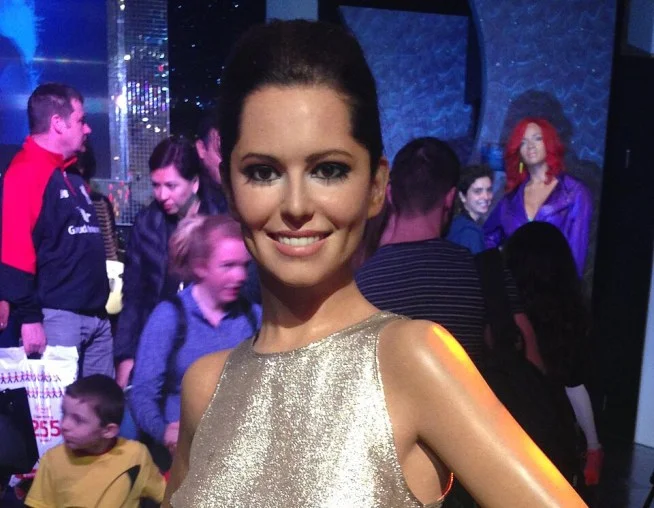
Alex Bellos Brings a Foreign Correspondent's Eye to Mathematics
Journalist-turned-mathematician Alex Bellos on puzzle writing, the Abel Prize, and why reporting habits make him a useful guide to hard ideas.
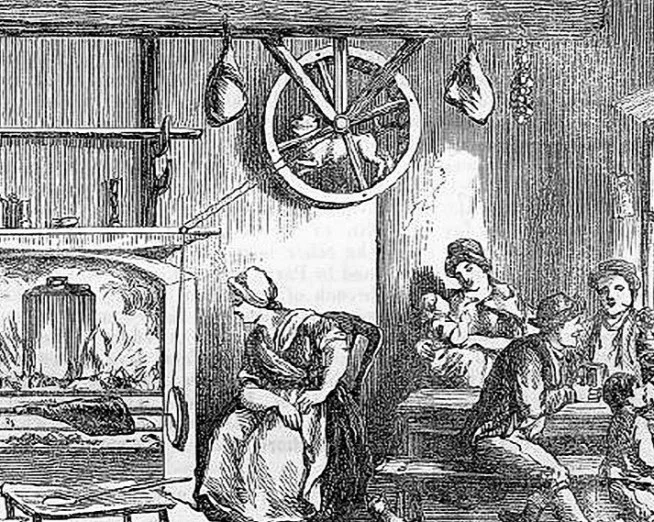
How Wolves May Have Domesticated Themselves: Testing Dog Origins With Math
Wolves may have domesticated themselves by scavenging human scraps. A mathematical method called adaptive dynamics tests whether this proto-domestication idea holds up.
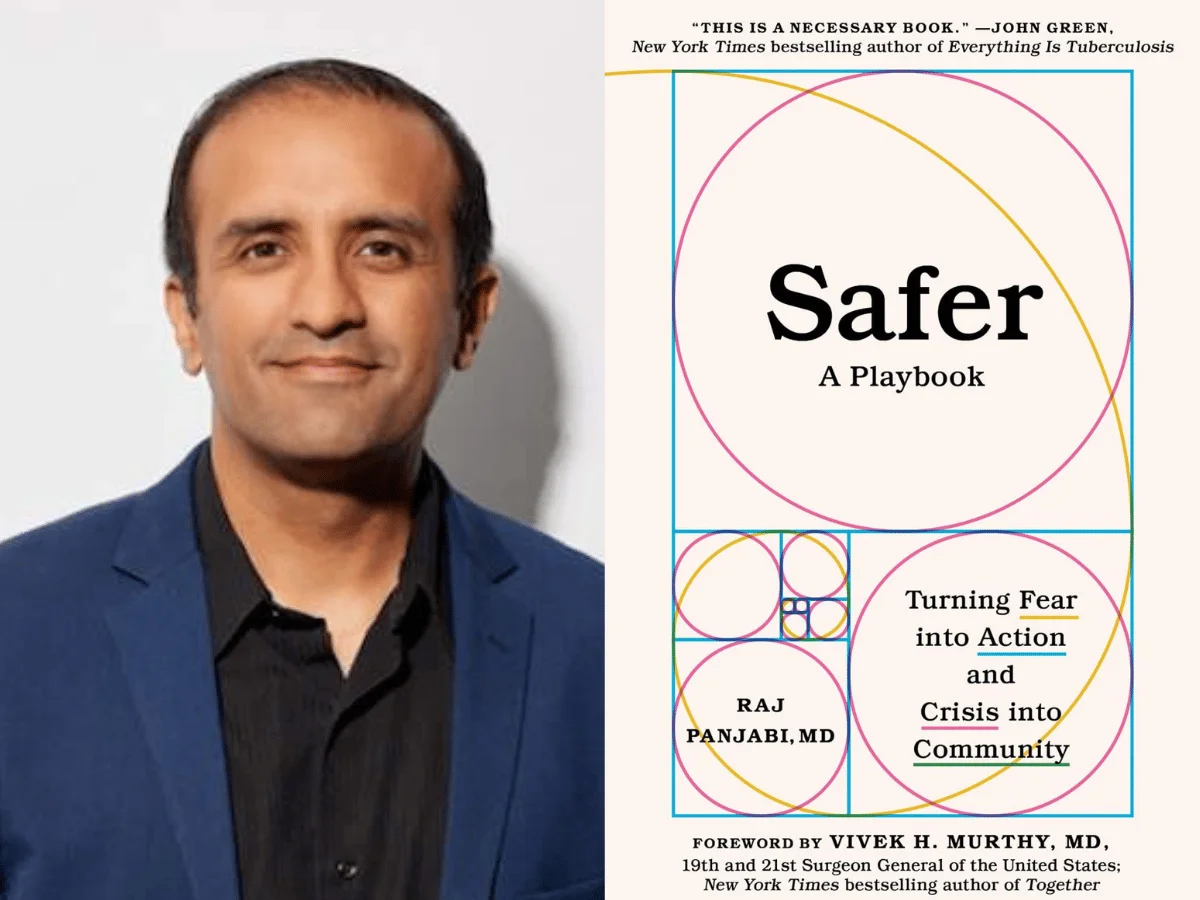
Normalcy Bias and the Case for Planning Before the Crisis
Raj Panjabi's new book, "Safer," turns pandemic lessons into everyday tools, from if/then triggers at home to shared protections in a crisis.
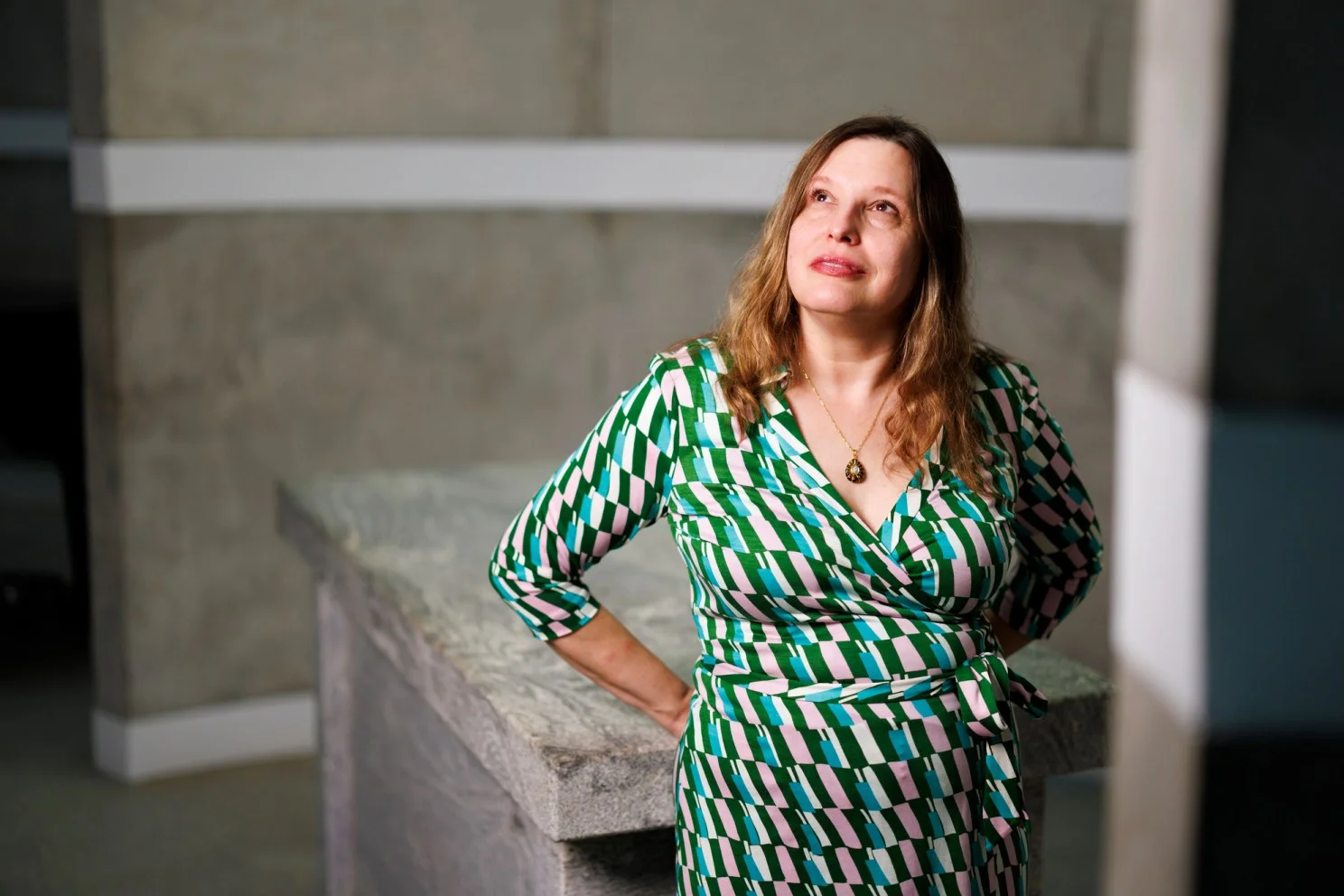
A Harvard Grief Course That Ends With Tools, Not a Final Exam
A Harvard Extension School course gives students a place to talk about loss, then sends them off with a personal portfolio of coping resources instead of a final exam.

Sexual Harassment Can Affect Gig Workers’ Performance, Study Finds
Harassment can shape gig workers’ well-being and customer interactions after an incident; access to collective support may help limit the effects.
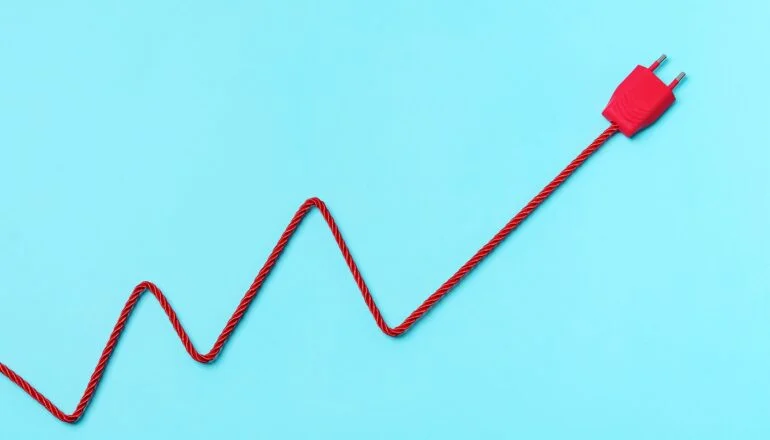
Non-English AI Queries Can Use Up to 180 Times More Energy Than English
Tests of three open models found higher energy use and, in many languages, lower accuracy—raising costs for billions of people who use AI in their first language.
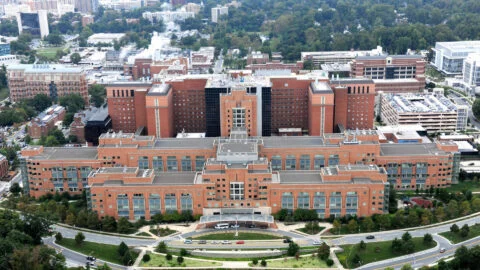
When Is It Ethical to End a Clinical Trial Early?
A commentary examines when stopping a clinical trial early is ethically justified and how premature termination can affect participants and medical research.
Research Integrity Roundup: Retractions, AI Peer Review and Scientific Sleuths
A week of major retractions and debates over AI, authorship and research oversight shows how integrity questions are widening across science.

Heavy Drinking Is Rising Among Adults Ages 50 to 64, Study Finds
A CDC survey analysis finds heavy drinking has increased among adults ages 50 to 64, raising concerns about liver, heart and fall risks.
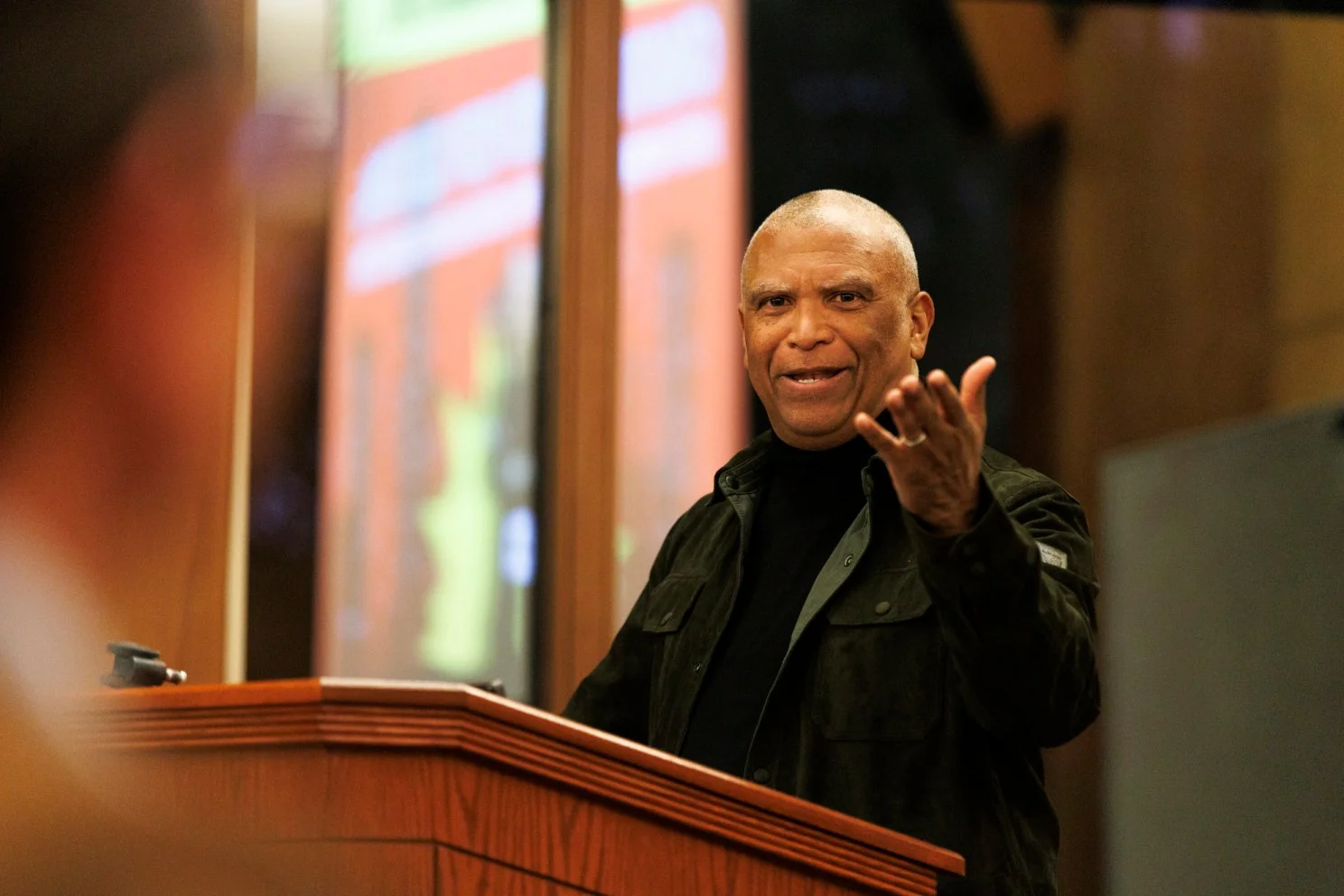
Reginald Hudlin Donates Nearly 25,000 Comics to Harvard’s Houghton Library
Hudlin’s collection spans 1949–2025 and offers researchers a window into comics, publishing and changing cultural attitudes.
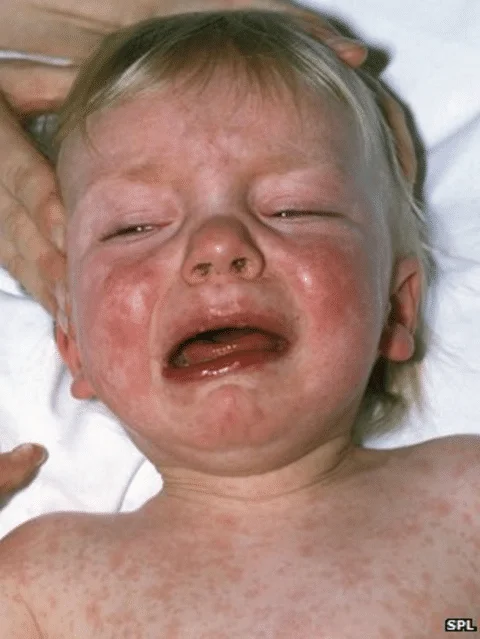
Measles Outbreak Tests the Practicality of Focused Protection
As measles spreads, the architects of focused protection face calls to offer concrete ways to protect people at greatest risk.
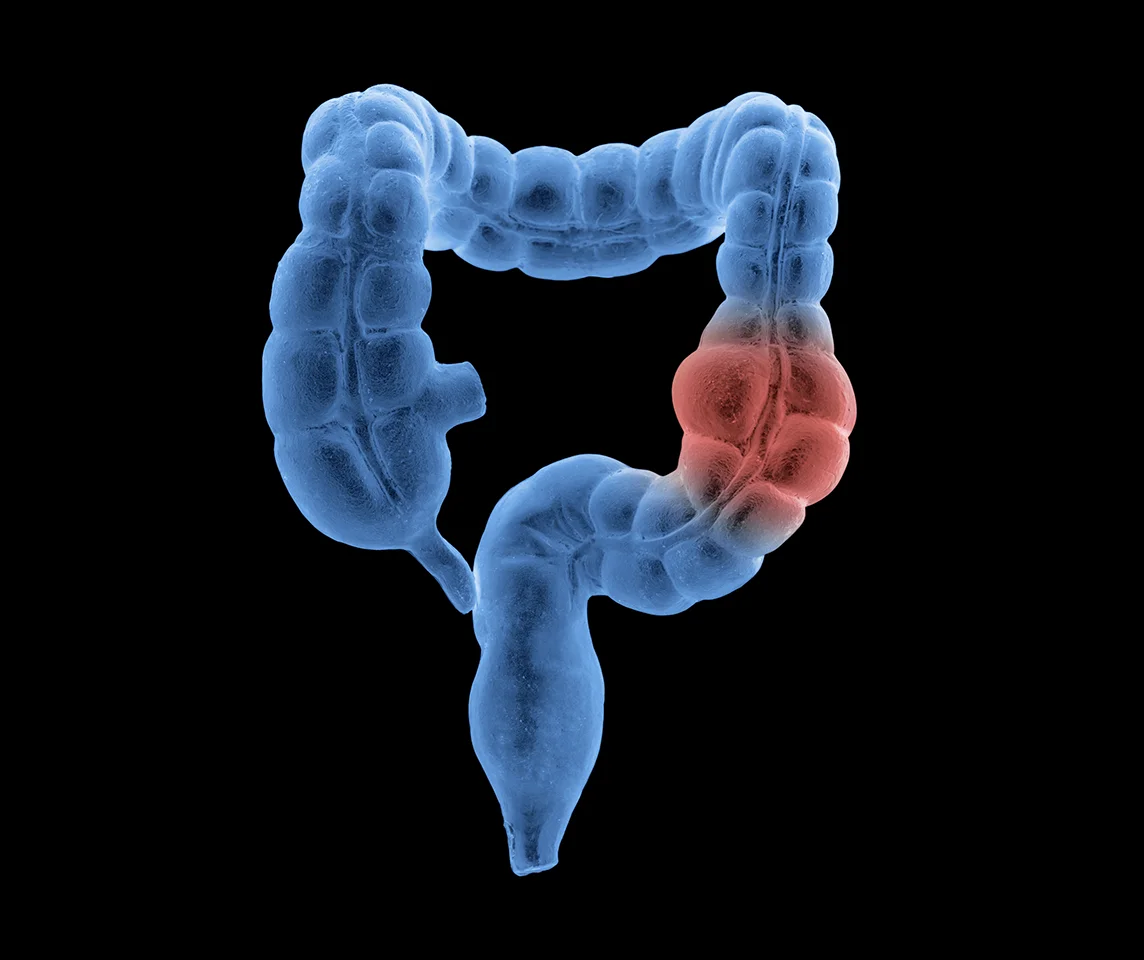
Harvard Researchers to Study Oral Microbes’ Link to Colorectal Cancer
A Massachusetts biobank will give Harvard researchers matched oral, stool, and tumor samples to investigate microbial patterns linked to colorectal cancer.

Futures of Maths Invites Research Mathematicians to Weigh In on AI
A new platform gathers mathematicians’ views on AI through an evolving, anonymous survey open to eligible researchers.

Best Time to Work Out: Consistency Matters More Than the Clock
Afternoon exercise may offer a performance edge, but sleep, preparation and a routine you can sustain matter more than workout timing.
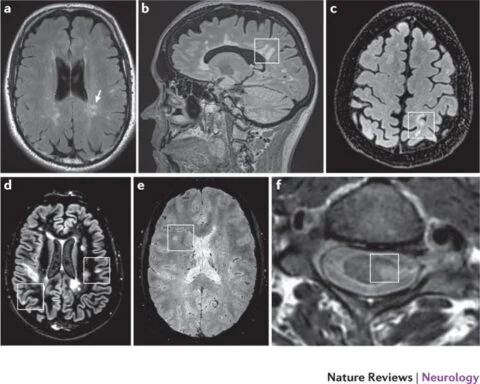
Why Multiple Sclerosis Diagnoses Can Change Over Time
MS diagnosis relies on multiple findings and can remain uncertain as symptoms and evidence evolve. A revised diagnosis doesn’t necessarily mean a mistake was made.
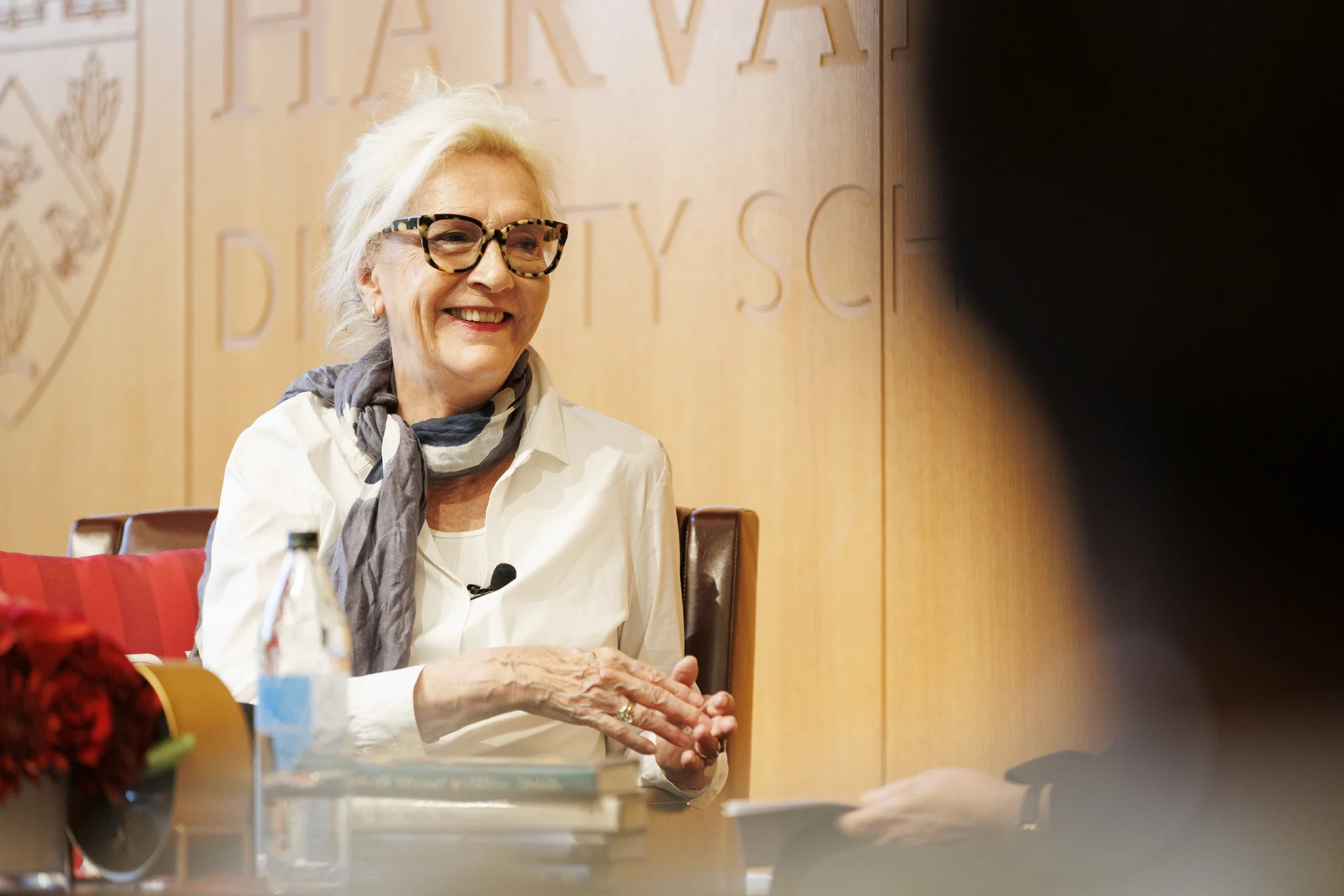
Elizabeth Strout on Fiction, Flawed Characters and the Mystery of Human Nature
At Harvard’s Ingersoll Lecture, Elizabeth Strout reflected on the ordinary people, imperfect characters and unanswered questions that shape her fiction.

AHM Publishes Five Recommendations for Doctoral Advising in the Age of AI
The Association for Human Mathematics outlines guidance on student writing, AI use and ethics, and doctoral wellbeing, with practical steps for departments and advisors.

Survey Finds 44% of Drinkers on GLP-1s Report Drinking Less
A national survey found that 44.2% of drinkers taking GLP-1 medications reported drinking less, though clinical trials are needed to assess the effect.

AI in Mathematics Reopens the Question of What Makes Discovery Valuable
AI’s mathematical progress challenges a performance-based view of scholarship and invites mathematicians to value understanding beyond personal credit.
Claudia Felser Connects Topological Materials to Catalysis and Energy Research
Claudia Felser’s work applies materials design and topology to questions in energy conversion, catalysis and the origins of biological chirality.