Harvard faculty and staff recommend monster stories that expose our blind spots and show how fear, corruption and ambition shape what we see.
Monsters show us what we’ve learned to ignore
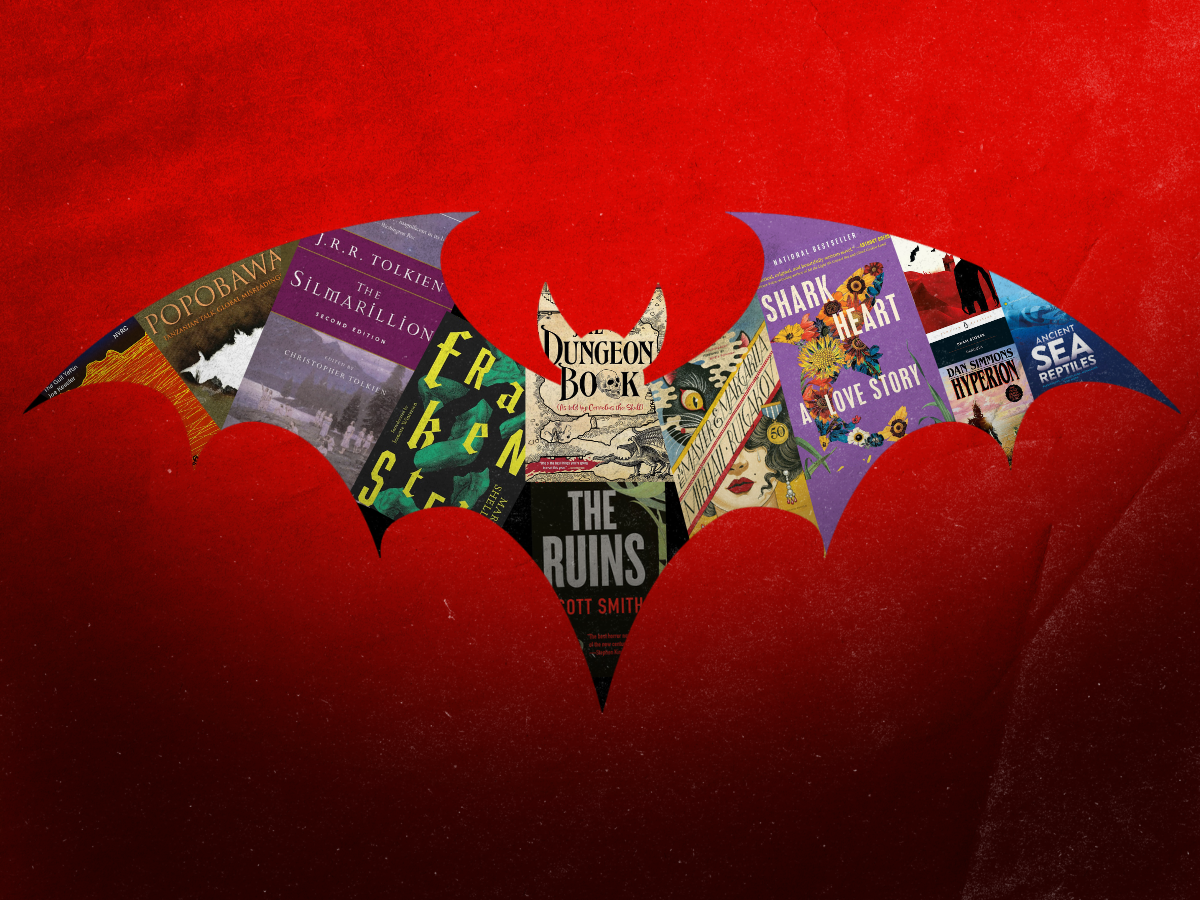
Monsters work best when they reveal something about the people who fear them. Frankenstein’s creature, Dracula, the Kraken: each gives shape to anxieties that are harder to name directly. Katie B. Kohn, who teaches horror writing and genre fiction at Harvard’s Division of Continuing Education, sees monsters as reminders of our blind spots—“the things we forgot to fear.” “In this way,” she says, “monsters are always real, always revealing; they show us where we haven’t been looking.” That idea runs through these recommendations from Harvard faculty and staff. Their monsters range from ancient sea reptiles to a demonic cat, and from familiar classics to stranger, newer horrors. The common thread isn’t simply that they frighten us. It’s that they make us look again at what we fear—and why.Fear that follows you home
“The Ruins”
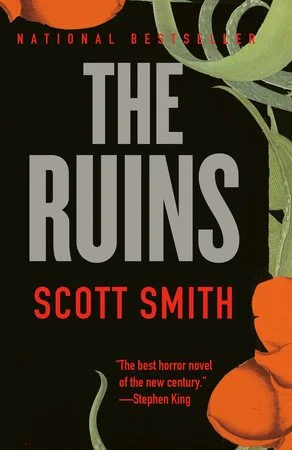
By Scott Smith Katie B. Kohn expected Scott Smith’s “The Ruins” to be disposable vacation reading. Two decades later, she still considers it the best horror novel she’s read. Her advice is unusually firm: skip the film, avoid reviews, and go in knowing as little as possible, following a group of post-graduate vacationers into danger without a map of what’s ahead. The book’s lasting unease comes from the way it turns outward danger inward. Its unknown places, Kohn suggests, have counterparts inside us: “Am I me? Am I still me?” The question lingers after the adventure ends. > “In every bottomless pit, horror plants a seed.” — **Katie B. Kohn, Division of Continuing Education, course head for “Writing Horror” and “Genre Fiction”**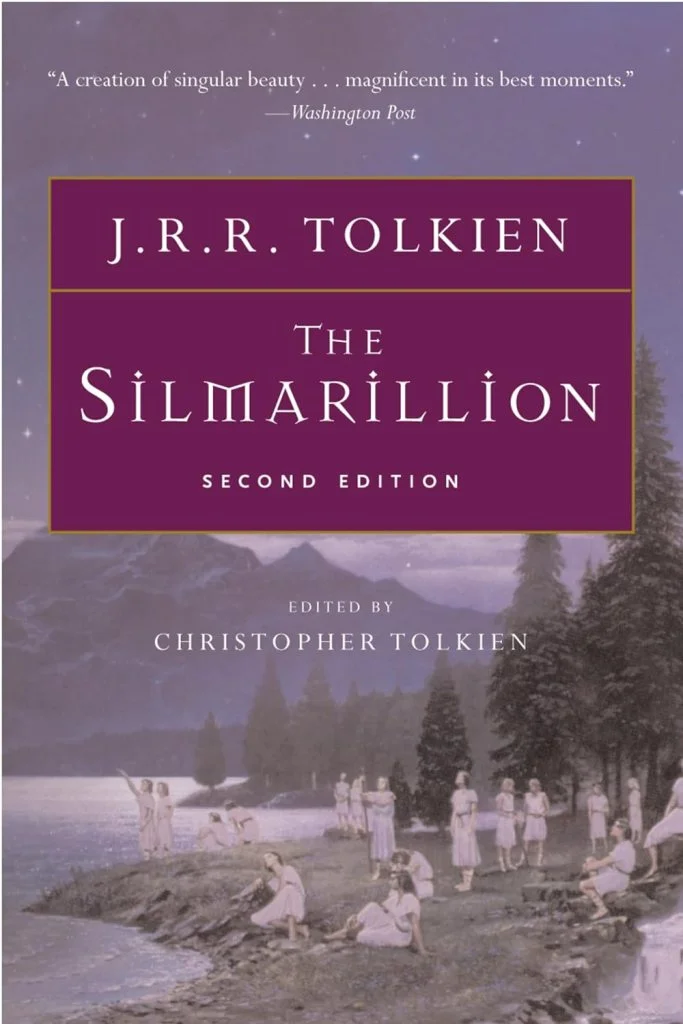
“The Silmarillion”
By J.R.R. Tolkien For Joshua Conrad Jackson, “The Silmarillion” was a childhood obsession: he stayed home from school to reread it and drew maps of its ancient empires to give his friends. Its monsters helped make the book a gateway between old mythology and modern fantasy. The loose prequel to “The Lord of the Rings” includes Balrogs—the fire-breathing creatures, one of which Gandalf battles in “The Lord of the Rings”—as well as dragons, werewolves, orcs, giant eagles, and trolls. There’s also Ungoliant, a primordial spider who devours light. Jackson now sees a deeper idea beneath the spectacle. Tolkien drew on Norse and Old English folklore, but he also treated monstrosity as something that can be made: corruption transforms elves into orcs. The frightening part is the implication that a monster’s nature may be shaped by what happens to it. — **Joshua Conrad Jackson, assistant professor of psychology**“Frankenstein; or The Modern Prometheus”
By Mary Shelley Peter R. Girguis calls Mary Shelley’s “Frankenstein” his favorite monster story—and possibly his favorite novel. Shelley said in her prologue that she wanted to imagine a story addressing “the mysterious fears of our nature.” Girguis sees the novel’s answer in its account of human ambition turning against itself: a tale of hubris that remains relevant, and of how easily the creator can become monstrous. — **Peter R. Girguis, professor of organismic and evolutionary biology and curator of the Harvard Museum of Natural History exhibition, “Sea Monsters: Wonders of Nature and Imagination”**When the monster leaves the realm of myth
“Ancient Sea Reptiles: Plesiosaurs, Ichthyosaurs, Mosasaurs, and More”
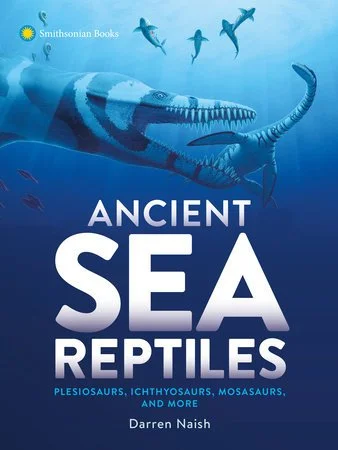
By Darren Naish For readers who prefer natural history to fiction, Peter R. Girguis recommends Darren Naish’s account of ancient marine reptiles. It covers their anatomy, behavior, and ecology, with particular attention to animals that dominated ocean food chains for millions of years. Girguis draws a useful distinction: these creatures weren’t monsters, but their world was dangerous enough that any fish living in the Mesozoic had good reason to fear them. — **Peter R. Girguis, professor of organismic and evolutionary biology and curator of the Harvard Museum of Natural History exhibition, “Sea Monsters: Wonders of Nature and Imagination”**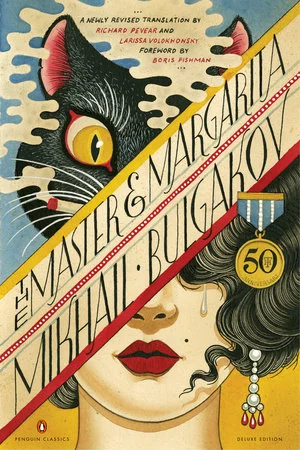
“The Master and Margarita”
By Mikhail Bulgakov A political satire set in twentieth-century Moscow might seem an unlikely place for a monster. That’s part of what makes Mikhail Bulgakov’s “The Master and Margarita” so effective for Sheza Alqera Atiq: the familiar city makes the fantastic feel more unsettling. The book’s Behemoth is a large black cat who walks upright, conducts an orchestra, and can tear the heads off people who annoy him. Modeled on the biblical Behemoth from the Book of Job, this demonic member of Satan’s entourage is at once comic and frightening. Atiq reads him as a reflection of human weakness: the follies that can wear away our better nature until we resemble the creatures we fear. > “We encounter our monster in the innocent (dare we say, endearing?) form of a large, black tomcat, one who walks on hind legs, conducts an orchestra, and — oops, tears the heads off of irritating figures.” — **Sheza Alqera Atiq, preceptor in expository writing**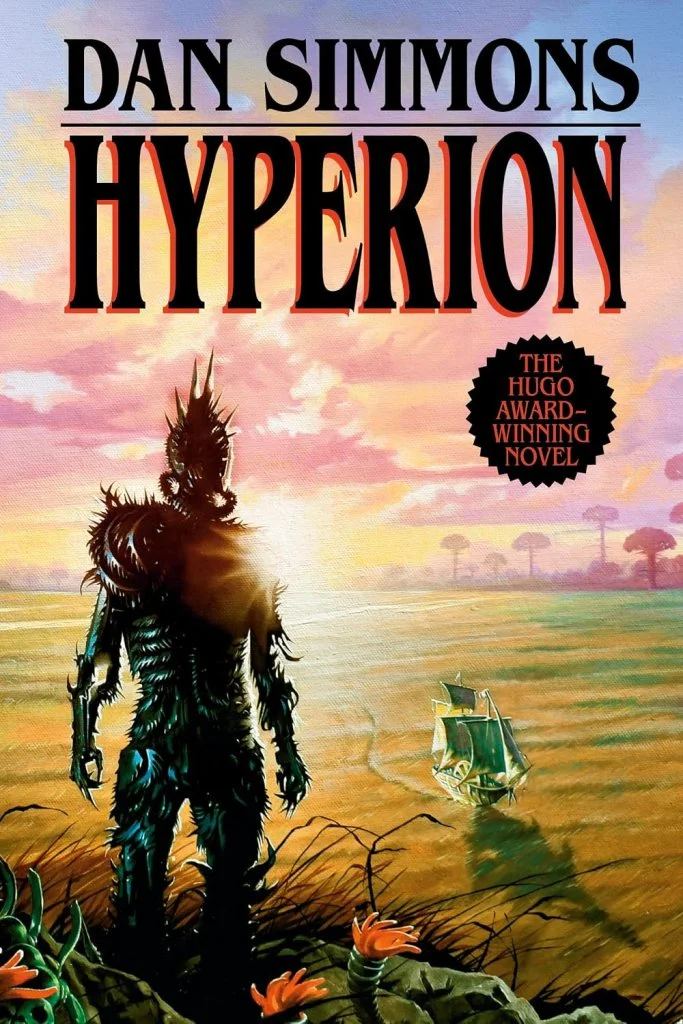
“Hyperion”
By Dan Simmons Dan Simmons’s science-fiction novel follows seven people on a pilgrimage to the mysterious Time Tombs on the planet Hyperion. The universe is at war, and the pilgrims hope to reach the Shrike, a monstrous being who may grant a wish. They each tell the story of how they came to join the journey; every account adds another piece to the creature’s legend. Stevie Kennedy-Gold says the book is dense but gripping. Its structure makes the Shrike’s menace accumulate gradually, with each character’s history deepening the mystery. — **Stevie Kennedy-Gold, curatorial associate/collections manager in herpetology at the Museum of Comparative Zoology**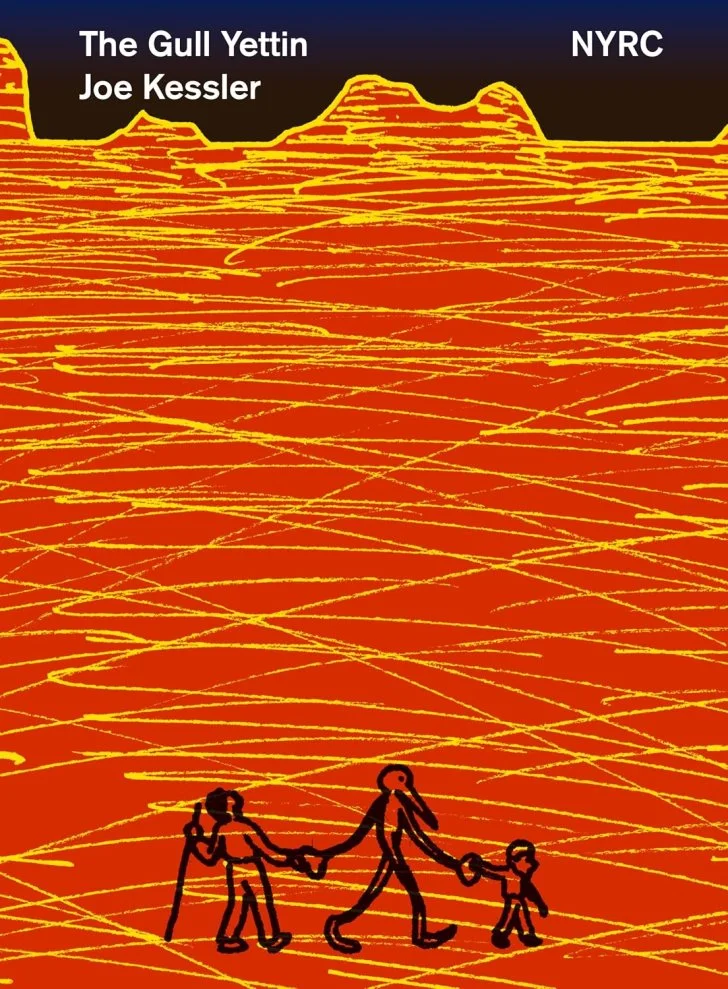
“The Gull Yettin”
By Joe Kessler Joe Kessler’s wordless graphic novel follows an orphaned boy and a creature with a human body and a seagull’s head, its long beak recalling a plague mask. After the boy escapes a house fire, the gull takes on a caregiving role. But that bond won’t settle into an easy explanation: is the creature protecting the child, or menacing him? Is it a rescuer, a kidnapper, or a figure the boy has imagined? Oli Hazzard finds the book’s uncertainty built into its style. Precise grids and architectural drawing collide with loose scribbles and bold washes of clashing color. The result resists a stable visual language. That instability feels liberating—and nightmarish. — **Oli Hazzard, Elizabeth S. and Richard M. Cashin Fellow, Harvard Radcliffe Institute**The vampire as a mirror
“Dracula”
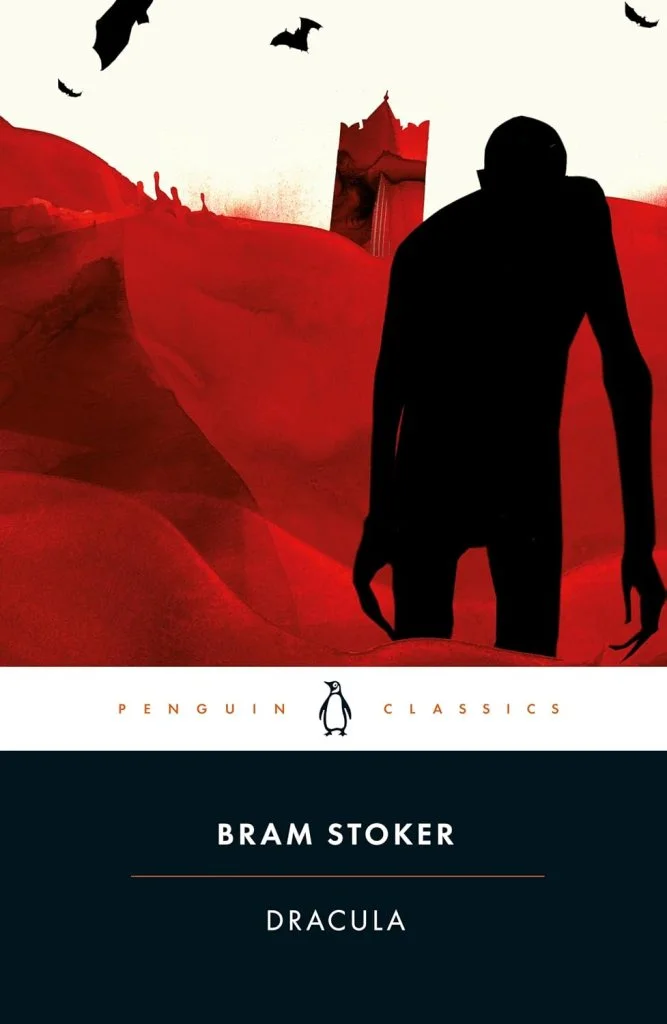
By Bram Stoker Caroline Fernald owns three copies of Bram Stoker’s “Dracula” and has no plans to part with any of them. For a suitably immersive reread, she suggests making paprika hendl—the dish Jonathan Harker eats in Chapter 1—and pairing it with an illustrated edition by Edward Gorey, the Harvard alumnus whose drawings appeared in an exhibition at Houghton Library the previous year. Stoker’s novel begins with English solicitor Jonathan Harker visiting Count Dracula’s castle in Transylvania, where he becomes a prisoner. The immortal Székely nobleman crawls along walls, commands bats and wolves, and sleeps in an earth-filled chest. He travels to England in search of new victims, turning Lucy Westenra and targeting Harker’s fiancée, Mina. Van Helsing, an eccentric Dutch professor, leads the effort to hunt him down. Fernald has been drawn to vampires for more than 20 years, in part because every generation reshapes them. Recent returns include “Nosferatu,” “Salem’s Lot,” and “Sinners.” The old claim that vampires cast no reflection misses the point: they reflect the fears and desires of the people watching them. In Victorian Britain, Dracula embodied anxieties about empire and unruly desire. In the shadow of AIDS, Anne Rice’s Lestat was an outsider—lonely and beautiful. > “Nina Auerbach once said that every age embraces the vampire it needs and gets the vampire it deserves.” — **Caroline Fernald, Executive Director, Harvard Museums of Science and Culture**The monster stories that linger tend to turn our assumptions back on us. A vampire’s promised immortality means outliving everyone it loves; shut out of daylight and ordinary life, it waits among the dead for an invitation across the threshold. Ghosts drift in from beyond. Vampires have appetites.
— Lakshmi Krishnan, Jeffrey S. and Margaret Mais Padnos Fellow, Harvard Radcliffe Institute
Monsters, seen from the inside
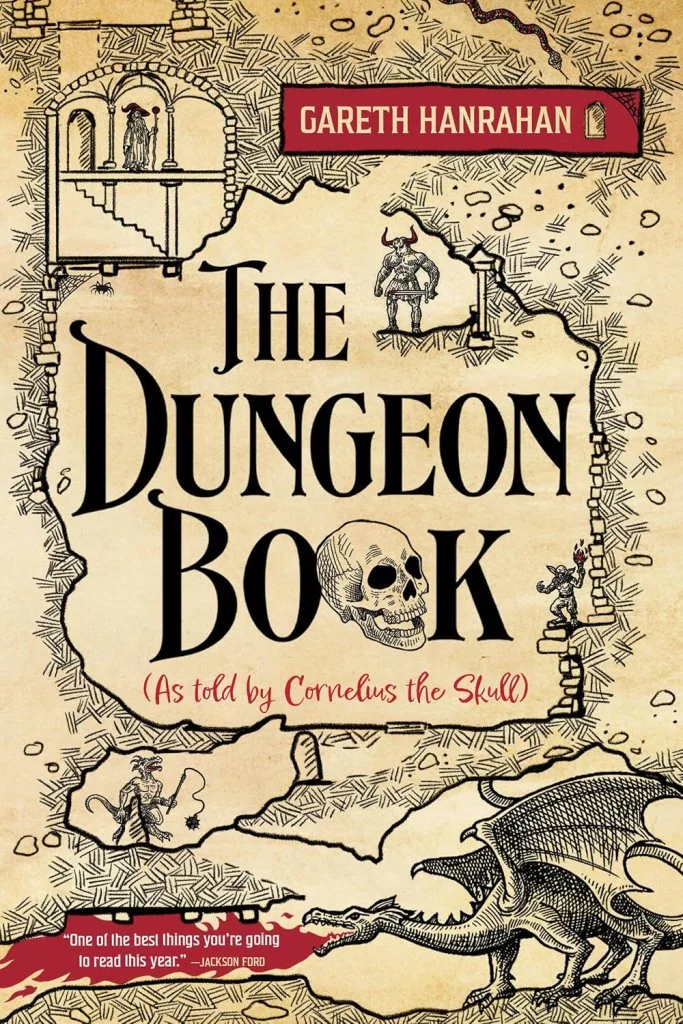
“The Dungeon Book”
By Gareth Hanrahan
A dragon steals Bait as a toddler and leaves her in a dungeon, where the monsters—goblins, manticores, nixies, slime, and others—become her family. Gareth Hanrahan starts with familiar fantasy creatures, then asks what it might mean for them to raise a human child. That shift in viewpoint gives the book its warmth: the monsters aren’t just obstacles in a hero’s story; they’re a community coping with an unexpected little person in their midst.
The telling is part of the charm. Cornelius, a talking skull who teaches Bait, narrates the tale in a frame that recalls The Princess Bride. It makes the book feel like a bedtime story from the dark side of the dungeon, while quietly pressing a sharper question: who gets to decide which characters count as monsters?
— Meg McMahon, User Experience Researcher, UX and Discovery, Harvard Library
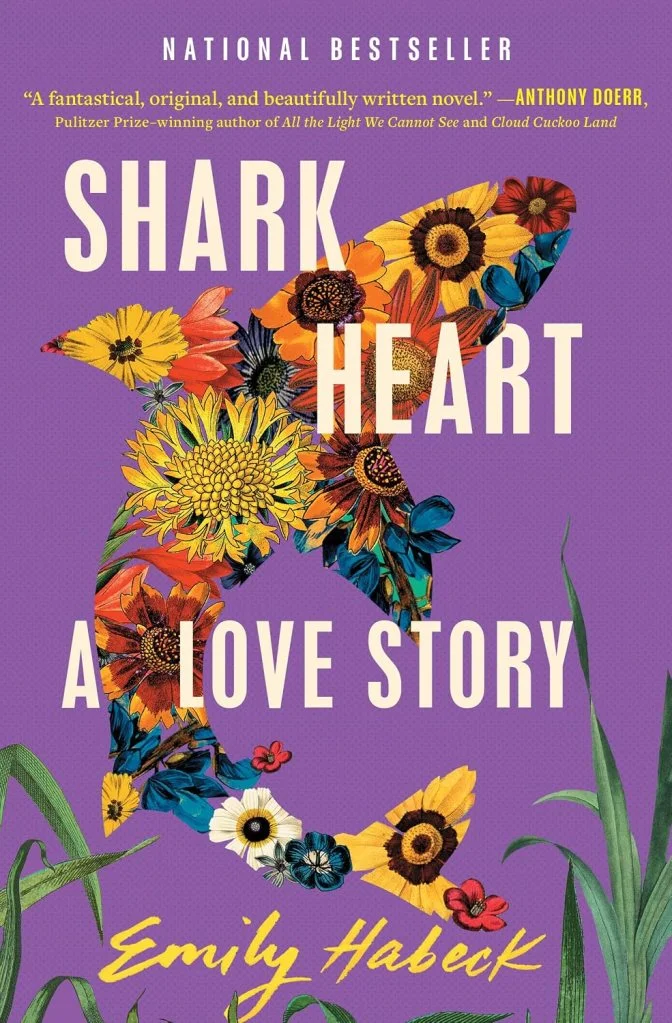
“Shark Heart: A Love Story”
By Emily Habeck
A person slowly becoming a great white shark sounds absurd until the book makes that transformation feel intimate and painful. Emily Habeck’s story is funny and strange, but its emotional force is entirely sincere—and it can leave you heartbroken. Poetry and screenplay passages give the novel an unusual shape, helping its fantasy premise feel close to real life. It’s a brisk, affecting read, well suited to a weekend away.
— Hannah Hack, Administrative Coordinator, Harvard University Archives, Harvard Library
Folklore as a place to speak
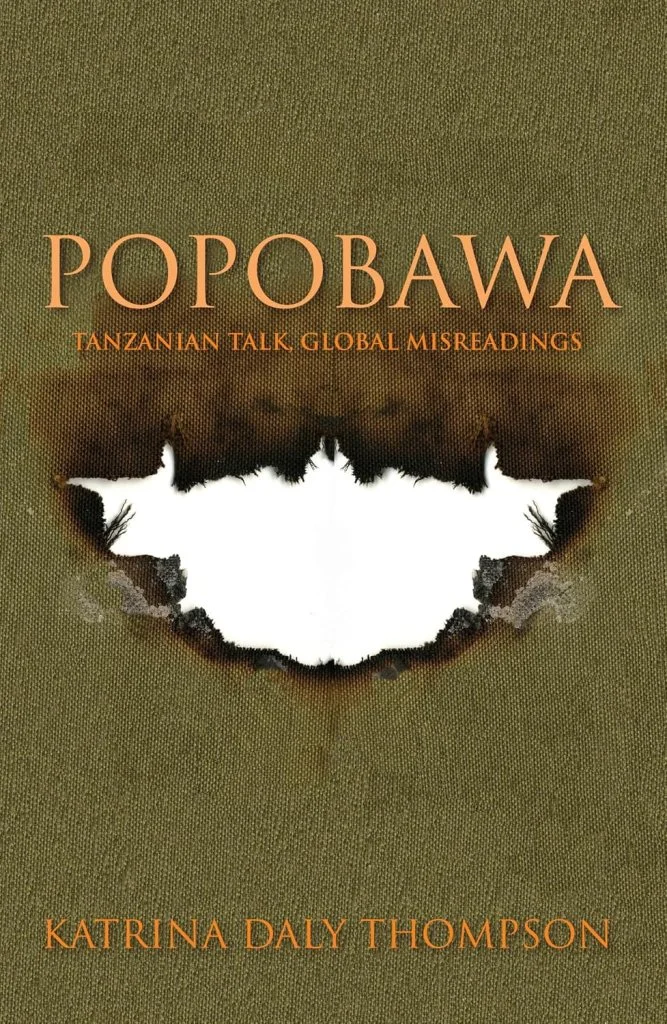
“Popobawa: Tanzanian Talk, Global Misreadings”
By Katrina Daly Thompson
Popobawa shows how a monster can do more than frighten. This bat-winged, one-eyed figure, associated with sexual aggression and sleep paralysis on the Swahili Coast, has become a flexible presence in everyday conversation. Monsters can give shape to nightmares and uncanny experiences, but they can also motivate action, invite humor, and make room for people to test ideas together.
That flexibility cuts both ways. Supernatural stories can be used to shame or threaten, yet they can also create cover for discussing subjects that are difficult to name directly. Katrina Daly Thompson’s ethnolinguistic study follows how people talk about Popobawa, tracing the demon’s roles in gossip, rumor, metaphor, linguistic play, and veiled speech. Its origin remains uncertain: it may help explain the sensations of sleep paralysis, or it may serve as a way to cast political opponents as evil. Either way, Thompson shows how the legend can carry arguments about gender, sexuality, and power that might otherwise stay unspoken.
The point isn’t that monsters always liberate or always control. Their meanings shift as people use and retell them—what folklore scholars describe as “tradition in dynamic variation.” Popobawa makes that process visible: a shared supernatural figure can become a space for fear, critique, communal storytelling, and ideas that would be harder to express plainly.
— Lowell Brower, lecturer on folklore and mythology
Discussion
Sign in to join the discussion.