A Massachusetts biobank will give Harvard researchers matched oral, stool, and tumor samples to investigate microbial patterns linked to colorectal cancer.
A study built around matched patient samples
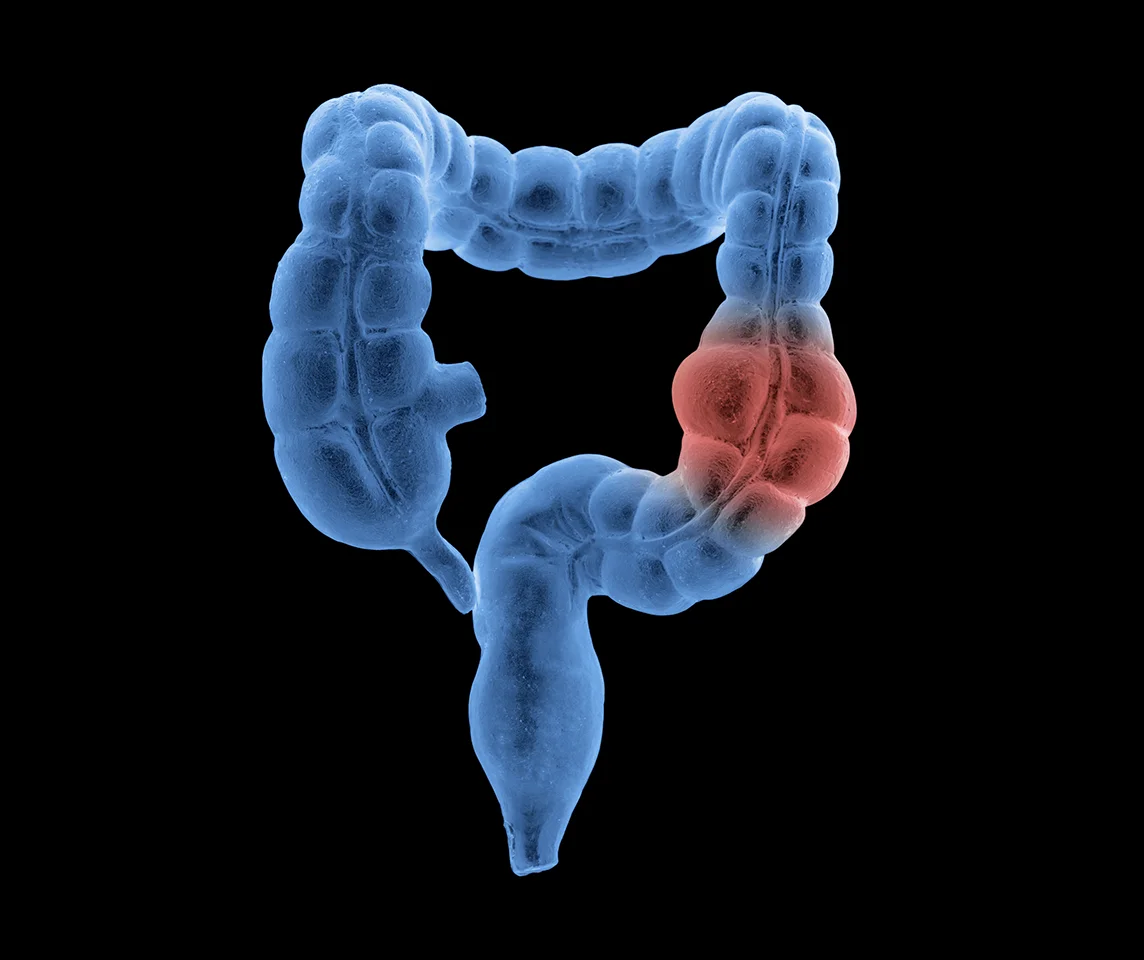
Harvard researchers will study whether microorganisms from the mouth are linked to colorectal cancer using a resource that’s been difficult to assemble: oral, stool, and tumor samples from the same patients. Comparing these specimens could help clarify how microbial patterns differ across the mouth, gut, and cancer tissue. The value lies in linking those sites within one person, where researchers can examine patterns without treating each sample as if it came from an unrelated patient.
The Feres Lab at Harvard School of Dental Medicine (HSDM) will take part in a statewide biobank initiative backed by the Massachusetts Life Sciences Center. The center is funding 13 projects at 11 academic medical centers and research institutions to broaden access to patient biospecimens and associated clinical data. That infrastructure matters because biological samples are most useful when researchers can interpret them alongside relevant clinical information and compare them across body sites.
Matched samples could connect the mouth and gut
Studies have detected some oral bacteria in colorectal tumors, prompting questions about whether shifts in the mouth’s microbial community—or the movement of particular organisms into the gastrointestinal tract—might contribute to cancer’s development or progression. Finding bacteria in a tumor, however, doesn’t establish that they caused the cancer; the organisms could be associated with the disease for other reasons. Existing research has often lacked samples from multiple sites in the same person, making those relationships harder to assess.
“This gives us a unique opportunity to advance our understanding of the oral-gut microbiome axis in colorectal cancer,” said Magda Feres, HSDM professor and chair of Oral Medicine, Infection & Immunity and head of the Feres Lab.
The team plans to use multi-omics methods to characterize biological signals in the samples, then apply machine learning to search for combinations of microbial and molecular features associated with colorectal cancer. In broad terms, multi-omics can examine several kinds of biological information together, while machine learning can help identify patterns across complex datasets. Neither method, on its own, can show that a pattern causes cancer. The analysis is intended to find candidate signals that researchers can evaluate further.
Those patterns could point to biomarkers that distinguish people with the disease or signal it earlier. Feres said the combination of linked samples, multi-omics analysis, and predictive models could help identify microbial signatures associated with colorectal cancer and inform future prevention research. The numbers here are underwhelming if read as a promise of a near-term test: the study is an effort to find and assess signals, not evidence that a useful marker has already been identified.
Saliva or stool tests remain a possibility
A longer-term aim is to learn whether any identified signal could be measured through a noninvasive test. “If we can identify a microbial or molecular signature that reliably tracks with colorectal cancer, it is not difficult to imagine that signature being detected in saliva or stool,” said Eduardo de Souza Oliveira, a lecturer and researcher in the Feres Lab.
Oliveira said such a test wouldn’t replace established screening methods such as colonoscopy. It might instead help identify people who most need follow-up and reach those who aren’t currently being screened. That’s a potential role for a test that could be collected more easily, but whether a microbial signal can do that reliably remains an open question.
Feres pointed to Helicobacter pylori as an example of how research into a microorganism can change understanding of disease. The bacterium is now recognized as a major risk factor for gastric cancer, she said, after decades in which researchers hadn’t been looking for it. The comparison offers a reason to investigate microbial involvement, but it doesn’t establish that oral bacteria play a similar role in colorectal cancer. Whether microbes contribute to this cancer’s development or progression is still unknown; the new study is designed to investigate that possibility.
Any screening application would require considerable further research, including evidence that a candidate signal holds up across patient samples and can serve the intended purpose. For now, the biobank offers a foundation for examining the biology and testing whether microbial or molecular patterns are consistent enough to merit further study. A promising association is only a starting point.
Shared infrastructure supports cross-disciplinary research
The Massachusetts initiative links participating institutions with industry partners that bring expertise in regulatory oversight, secure data systems, privacy-preserving data linkage, and biospecimen management. Those capabilities address practical challenges that can shape what researchers are able to study: samples and associated data must be managed in ways that support analysis while protecting patient privacy. The initiative’s stated aim is to broaden access to biospecimens and clinical data across institutions.
For the Feres Lab, that shared infrastructure makes it possible to connect oral health research with cancer biology at a scale that would be difficult for one laboratory to build alone. If you’re working in this space, the study’s design highlights a basic constraint: questions about connections between body sites need data that connect those sites in the same patients. A larger pool of linked specimens can make those questions easier to examine, though it doesn’t by itself settle them.
“This is the type of research that becomes possible when we break down traditional boundaries between fields,” Feres said. The study’s practical test will be whether combining oral microbiology, cancer research, multi-omics, and data science reveals reliable signals that could support earlier detection. Here’s the thing: a useful result may first be a clearer account of which associations don’t hold up. (And this is the part most people overlook.) Even a negative finding could help narrow future work by showing where the proposed links are weak. Still, the possibility of an easier route to screening is compelling. For now, a foundation for research.
What the work could establish
This is more significant than it looks because the project brings together samples that are often studied separately, allowing researchers to ask whether patterns across the mouth, gut, and tumor appear connected within individual patients. The answer could sharpen the questions researchers ask about microbial involvement in colorectal cancer. It could also show that an intriguing association isn’t consistent enough to support a biomarker.
That distinction matters for any future screening idea. A signal would need to be measurable and reliable before it could help guide follow-up or reach people who aren’t being screened. The current work is an early step toward evaluating that possibility, not a clinical recommendation or a substitute for established screening. Its contribution will depend on what the linked samples reveal—and whether any candidate pattern survives further scrutiny.

Discussion
Sign in to join the discussion.