Large UK Biobank studies link prolonged sitting to higher cardiovascular and cancer risk, and exercise doesn't fully cancel the damage.
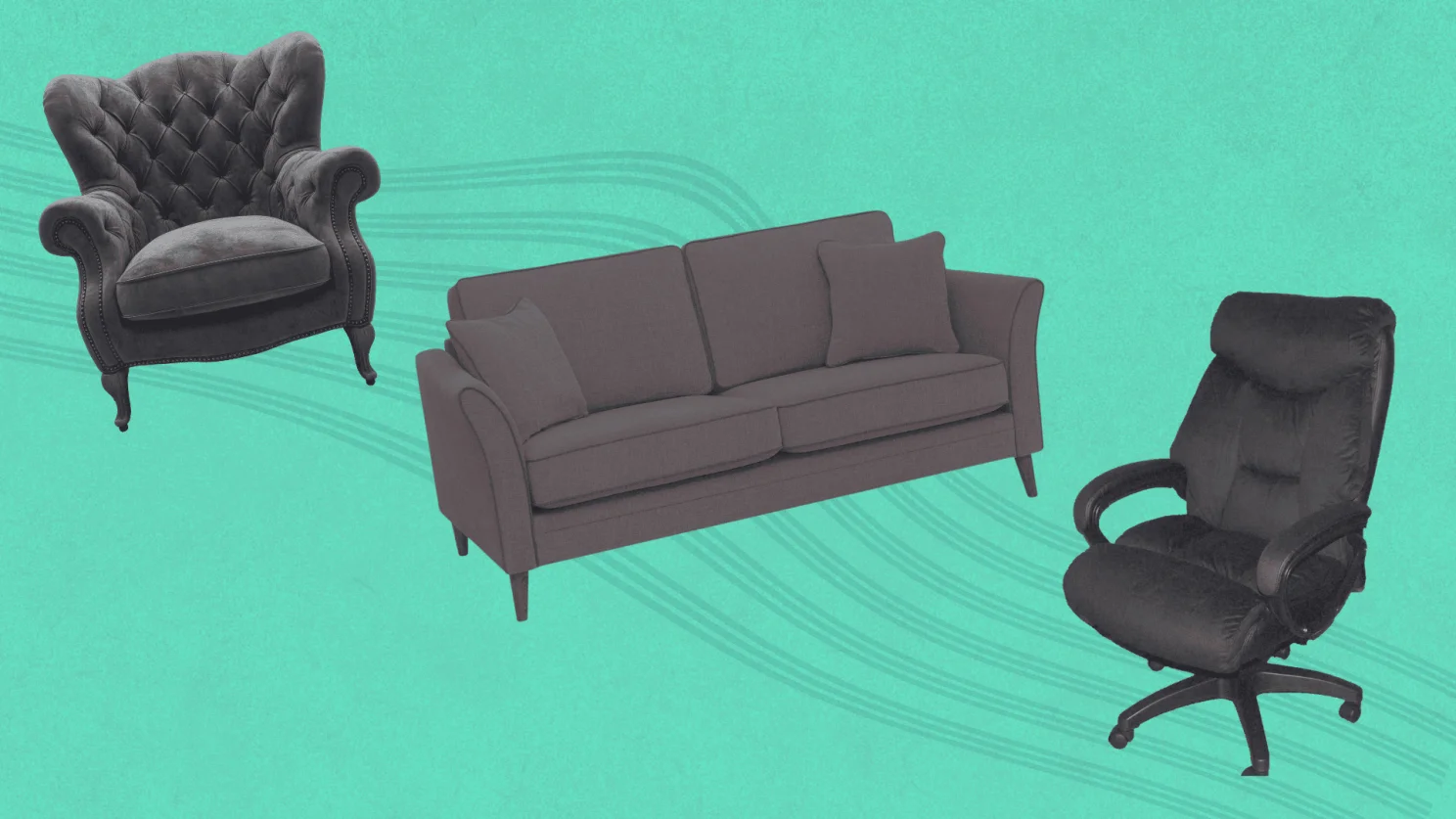
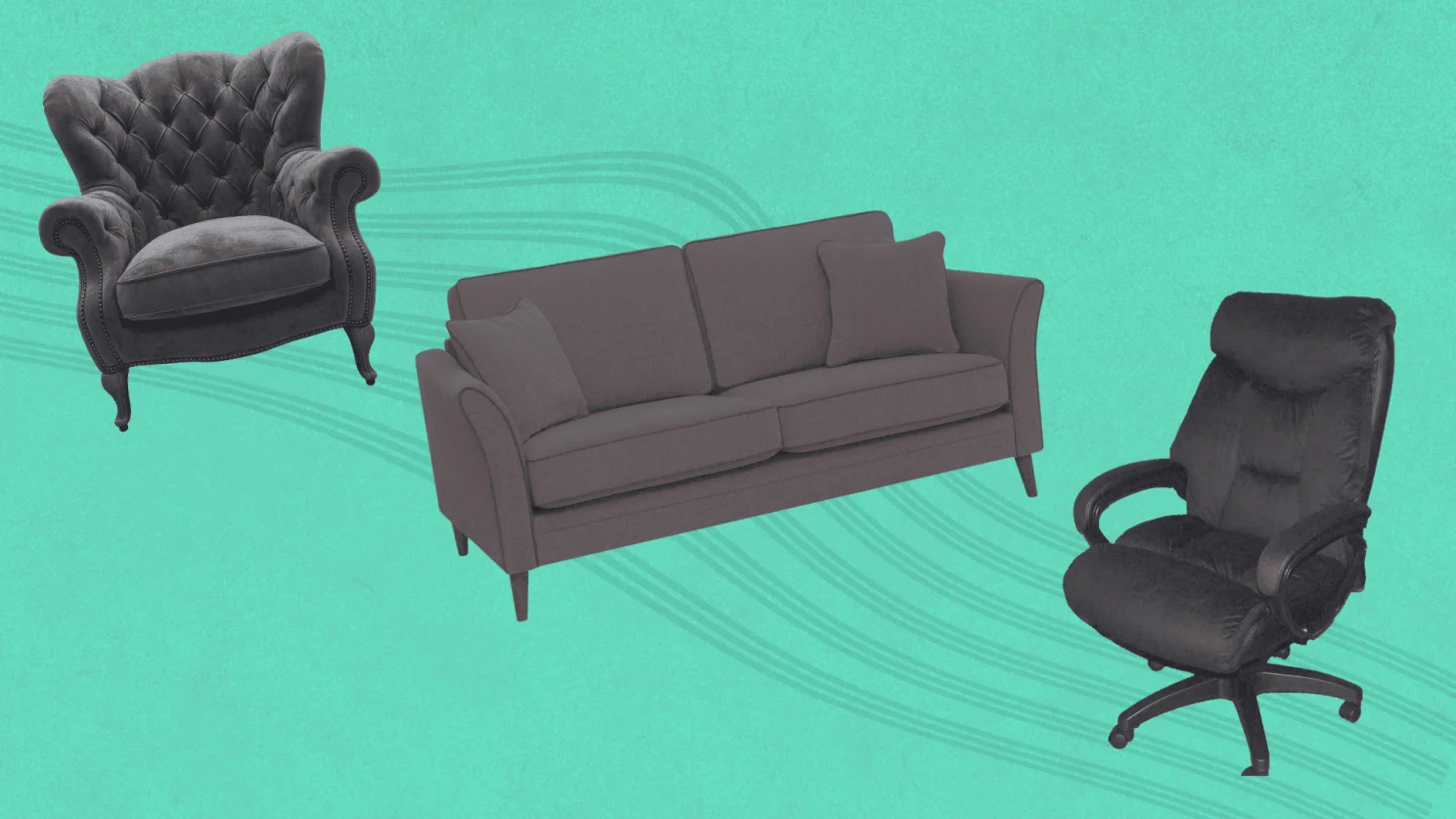
Most American adults spend six to eight hours a day sitting, and the health research on that habit has gotten much harder to wave away. The U.S. Department of Health and Human Services has urged people to move more and sit less to reduce the risk of chronic disease tied to sedentary behavior. The question now is less whether sitting matters and more how much damage it does, and whether a workout can undo it.
Why the desk got so much more dangerous
Much of the shift is structural. Office work used to involve walking to a copier, carrying files, and standing at a filing cabinet. Computers have absorbed many of those tasks, so a workday can pass with barely any movement. "Now, you can sit at your desk, and you don't really have to move," said I-Min Lee, a leading expert in physical activity and health whose research has helped shape public health guidelines. "We just don't move around as much these days."
Research on sedentary behavior, which covers sitting, reclining, and lying down, has grown steadily over the past decade. Study after study points to a threshold of roughly eight hours a day, beyond which the health effects of sitting appear to pile up.
What sitting does to the body
Lee says the research links prolonged sitting to worse cardiometabolic health, which can build over time into a higher risk of diabetes, heart disease, and early death. The mechanisms are fairly mechanical. Extended sitting can reduce blood flow, weaken blood vessel function, and impair how the body processes glucose and insulin.
The relationship also isn't linear, and that's the part that should change habits. "Those who are more sedentary are at higher risk," said Lee, a Harvard Medical School professor of medicine at Brigham and Women's Hospital and a professor of epidemiology at the Harvard T.H. Chan School of Public Health. "Your risk climbs with more sitting. Once you get above seven to nine hours of sitting a day, the risk really goes up more steeply. The more you sit, the worse off you are."
Exercise helps, but it doesn't finish the job
Here's the uncomfortable finding: regular physical activity can't fully counteract the harms of too much sitting. A 2025 study in the Journal of the American College of Cardiology tracked daily sitting time against the future risk of four common cardiovascular conditions: atrial fibrillation, heart attack, heart failure, and death from cardiovascular causes. It also asked whether physical activity could offset that risk.
The results were split. People who sat more were more likely to develop all four conditions, according to Ezimamaka Ajufo, an HMS clinical fellow in medicine at Brigham and Women's Hospital and the study's lead author. Physical activity could fully neutralize the added risk of atrial fibrillation and heart attack. For heart failure and cardiovascular death, it only partly offset the danger.
"We found that sitting was associated with substantially higher risk of cardiovascular disease, heart failure, and cardiovascular death, in particular, when you sat for more than 10.6 hours per day," said Ajufo. "Avoiding excessive sitting is important for cardiovascular health, especially heart failure and cardiovascular death risk, even if you're physically active."
Statistical modeling in the study suggested those risks could drop substantially if sedentary time were swapped for other activity. Ajufo's takeaway is practical. Take breaks, even brief ones, which she calls "activity snacks."
The analysis drew on the U.K. Biobank prospective cohort of 89,530 people who wore activity trackers for one week. That's a real limitation, and Ajufo acknowledges it. She says longer-term data points the same way. "We have since found that the physical activity associations that we described from this one week of data may persist in the long term," she said. "In unpublished data, we were able to show that associations with physical activity persist [by] looking at physical activity measured longitudinally. The harms of extra sedentary time likely persist over longer periods of monitoring."
The cancer question
Sitting may also be tied to cancer. A 2026 paper in PLOS Medicine, co-authored by Ziyi Zhou, an HMS research fellow in medicine at Massachusetts General Hospital working in the lab of Mingyang Song, and colleagues at the Harvard Chan School, drew on data from 91,292 U.K. Biobank participants. It found that breaking up sedentary time with physical activity was associated with lower cancer mortality.
The numbers are specific. Each additional hour of prolonged sitting per day was associated with a 9 percent higher risk of cancer death. Replacing an hour of prolonged sitting with light physical activity was associated with a 12 percent lower risk of cancer death.
That last part is what makes the finding useful. "Based on our study, we think that even light physical activity such as walking around the office or doing light household chores may help lower the risk of cancer death," said Zhou. The bar isn't a marathon. It's getting up.
Where the evidence stops
Neither Zhou's nor Ajufo's work proves cause and effect. Both are observational, and both rely on the same biobank and activity-tracking approach. They add weight to the case against sedentary behavior, but the claims still need confirmation from intervention studies and randomized controlled trials.
Some of that work is already underway, and early results are mixed in an informative way. Some studies found that people who broke up sitting with short activity bouts saw improvements in vascular function and blood pressure. Lipids such as cholesterol and triglycerides appeared less affected by breaking up sedentary time, Lee said. The pattern suggests that interrupting sitting does different things to different systems, and that's worth tracking as more trials report.
What to actually do with this
Lee is clear that sedentary behavior and physical activity aren't opposites on the same scale. You can't exercise your way out of a full day of sitting. Her guidance covers the basics: 150 minutes of moderate-intensity activity a week, muscle-strengthening work two days a week, and less time in the chair overall.
"Physical activity is one of the best things you can do for your health because no amount is too small," said Lee. "And if you have to sit in your job, take breaks to the extent that you can. The less you sit, the better off you are."
For most office workers, the cheapest change is also the most effective. Stand up during calls, walk during phone conversations, and treat every five-minute break as a chance to move. The data suggests those small interruptions matter more than the one hour at the gym that's supposed to cancel out eight hours at a desk.


Discussion
Sign in to join the discussion.