At Harvard’s Erato anniversary, editors discussed the challenges of print and why new literary magazines keep appearing.
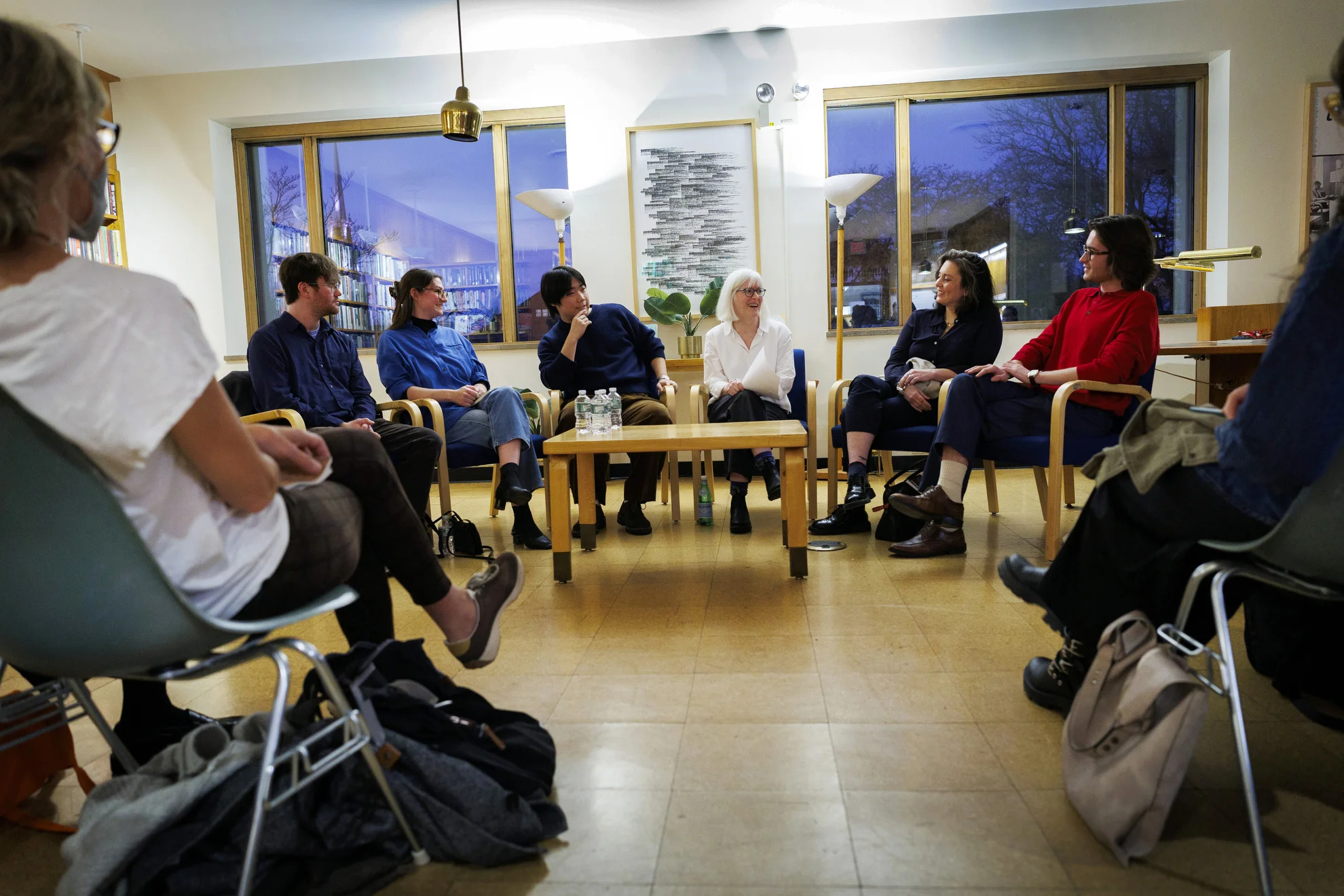
Literary magazines remain a labor of conviction: editors take on the costs and work of publishing because they want to make art, give writers a platform and bring readers unexpected voices. That was the throughline of a Harvard panel marking 40 years since the campus journal Erato began. The anniversary offered a reason to look back, but the discussion also turned on a present-day question: what makes people choose the slow, demanding work of putting a magazine into the world when readers have more ways than ever to encounter writing? The answer from the editors wasn’t a business formula. It was a belief that choosing, shaping and presenting writing still matters.
At the Houghton Library event, “Harvard and the Little Mag: Why Print Matters in 2026,” Harvard Review editor Christina Thompson asked editors to set aside the practical work of subscriber emails and digitizing archives and explain what keeps them at it. “It’s really an idealist’s game,” she said. That description gets at both the appeal and the risk: small magazines often begin with a conviction about what should be read, while the work of keeping them alive demands time and money. Those obligations don’t cancel out the idealism. They test whether it can last beyond the first issue.
Starting small, with a point of view
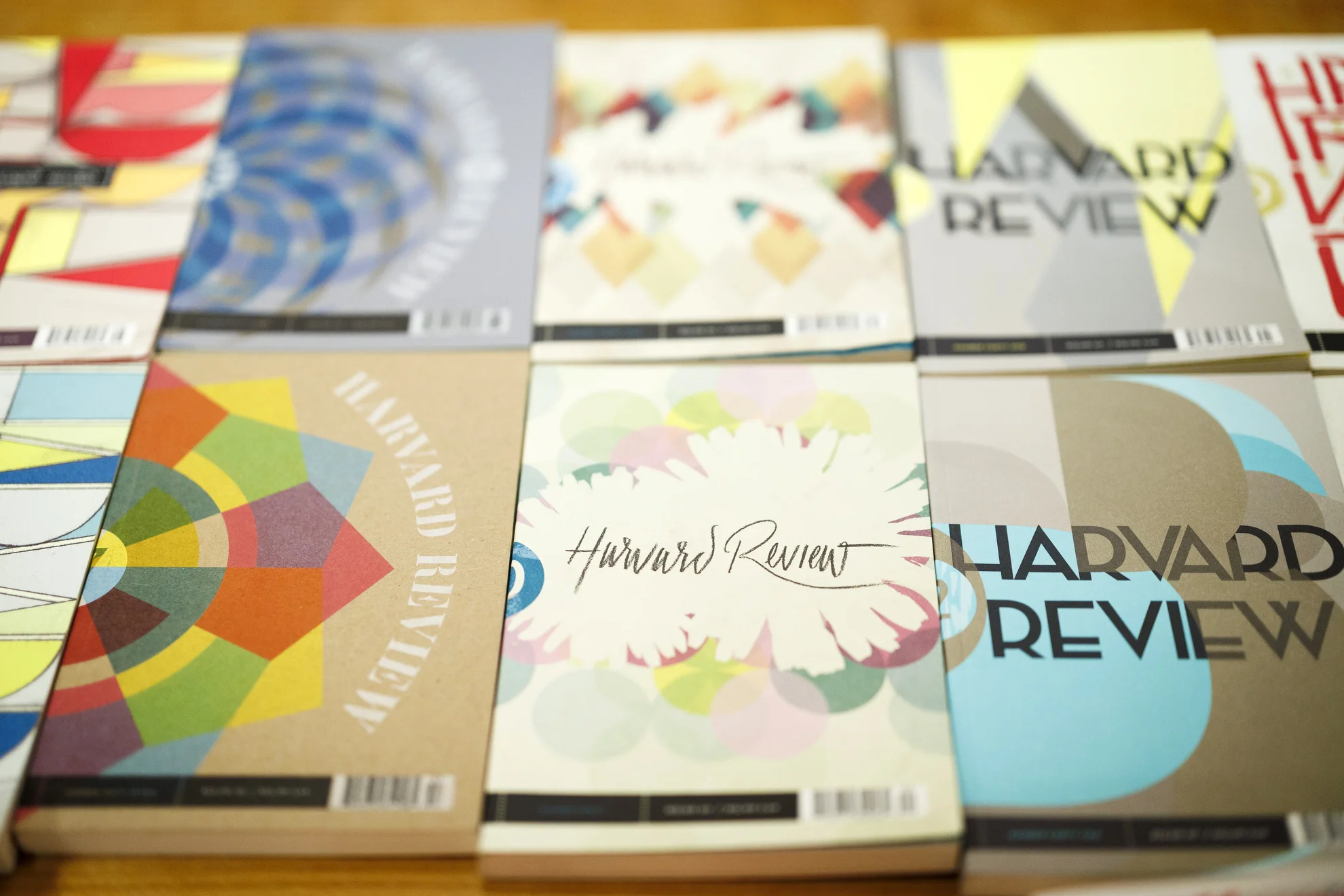
Erato launched in 1986 and became the Harvard Review, which has been published by the Harvard Library since 1992. Its early years already carried familiar anxieties about reading: in 1989, essayist and Harvard instructor Sven Birkerts wrote, “Almost none of my students read independently. I know this because I ask them.” The concern sounds contemporary because the underlying question hasn’t gone away: how do readers make room for work that isn’t assigned, recommended by an algorithm or already familiar? Print publications face pressure as they contract and screens compete for attention, but those changes don’t make the desire for independent reading disappear. They do make the editor’s task more pointed: a magazine has to give readers a reason to pause.
For James Fraser and Bella Bennett, co-editors of Duck, the case for starting a magazine was direct. They wanted to publish fiction, poetry and essays by friends, as well as writers they otherwise couldn’t work with. That aim gives a new publication a practical purpose: it creates a place for writing the editors care about, and a way to bring that work to people who might not find it elsewhere. Bennett drew inspiration from the mid-century New York School and its mimeograph magazines, which built distinctive voices with limited means. The precedent matters because it links an editorial identity to a modest form of production; a small budget doesn’t require a small ambition.
Once the pair reckoned with the expense and effort, Bennett said, “There’s nothing stopping us from publishing this thing and saying we started a magazine.” Duck’s first issue appeared in March, and its second is in production. The move from idea to issue is a test of editorial intent: choosing work, making it into a publication and taking responsibility for the result. It’s also a reminder that starting is only one part of the undertaking. The next issue means returning to the same decisions with new work and the same finite supply of time and resources.
Editorial freedom in a short life
Some new editors are drawn to the form through its history. Hengzhi Huang Yang, a Harvard College senior who founded House House in 2024, described his introduction to magazines as an “inverted Henry James story.” After growing up in Beijing, he attended a Quaker school in Philadelphia with a strong humanities program, where he encountered publishing traditions all at once. The sequence shaped how he approached magazines: they weren’t simply familiar institutions handed down unchanged, but forms with histories he was still discovering. Reading about William Shawn and his work at The New Yorker, he assumed the magazine still operated as it had in the 20th century.
That assumption points to a tension in magazine culture. A publication’s history can offer models for careful editing and a recognizable voice, but it can also leave new editors imagining a kind of authority that may not fit their own circumstances. House House’s founding suggests that learning the history doesn’t have to mean reproducing it. Editors can borrow a sense of possibility from earlier magazines while deciding for themselves what work belongs in the pages they make. And that freedom comes with a responsibility: the choices an editor makes are what turn a title into more than a container for submissions.
Jacob Winter, a Harvard College junior, revived the campus magazine Tuesday with a different editorial model. Its staff changes each year, and Winter sees that turnover as a way to avoid a narrow, fixed voice. Each issue can surprise readers with work that is unusual or unexpected. The model also makes the magazine’s identity less dependent on a permanent editorial group: each new staff has the chance to shape what readers encounter. That can keep a publication open to change, though it asks successive teams to take up the work and make their own judgments.
What print preserves, and what it asks
Print gives editorial choices a physical form. A reader can hold an issue, move through it at a chosen pace and return to a piece without opening another tab. That experience isn’t proof that print is better for every reader or every kind of writing. It does make the magazine’s selection visible: these are the pieces an editor thought belonged together, in this order, in this object. (And this is the part most people overlook.) The format can express a point of view before a reader reaches the first sentence.
That distinction matters in a media environment where writing can circulate in many formats. A digital archive can make past work easier to find, while a printed issue can give a group of pieces a shared setting and sequence. The panel’s focus on both archive work and print points to the practical reality editors face: preserving and distributing writing takes more than a commitment to publish it. If you’re working in this space, the question isn’t only what you want to print; it’s how readers will encounter the work and what will help them stay with it.
The next issue is the point
Long-running publications such as Harvard Review are only one measure of success. Thompson noted that some magazines last briefly, and that a short run can still put strong writing in front of an audience. That’s a useful corrective to the idea that longevity is the only evidence a publication mattered. A magazine can have a limited life and still make a lasting contribution to the readers and writers it reaches. The numbers here are underwhelming if the measure is simply how many titles endure; the more interesting measure is whether editors create a place for writing that might otherwise go unseen.
The format faces persistent obstacles, yet new editors keep starting projects. The work calls for more than a compelling first idea: editors have to keep finding writing, making choices, producing issues and reaching readers. A short-lived publication may still leave behind work that mattered to someone, while a long-running one must keep making a case for the attention it asks readers to give. This is more significant than it looks. Print’s future depends less on any single magazine’s staying power than on the next group willing to make one, and on whether readers find something in its pages worth returning to. A new issue, and then another.

Discussion
Sign in to join the discussion.