Biology & Genetics
Genomics, cell biology, evolution and life science breakthroughs
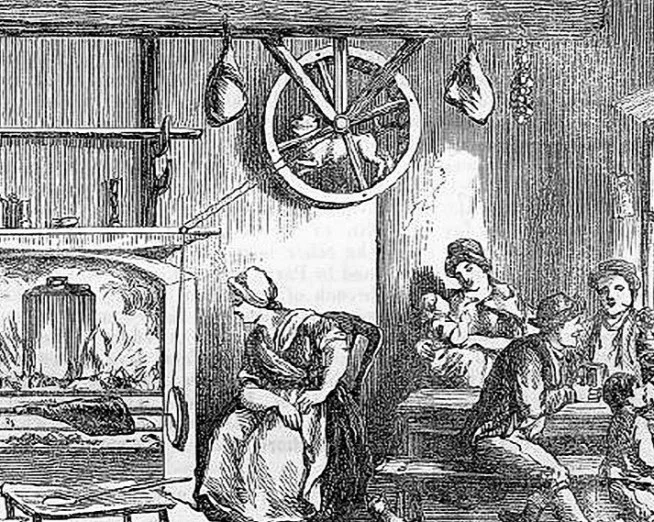
How Wolves May Have Domesticated Themselves: Testing Dog Origins With Math
Wolves may have domesticated themselves by scavenging human scraps. A mathematical method called adaptive dynamics tests whether this proto-domestication idea holds up.
When Is It Ethical to End a Clinical Trial Early?
A commentary examines when stopping a clinical trial early is ethically justified and how premature termination can affect participants and medical research.
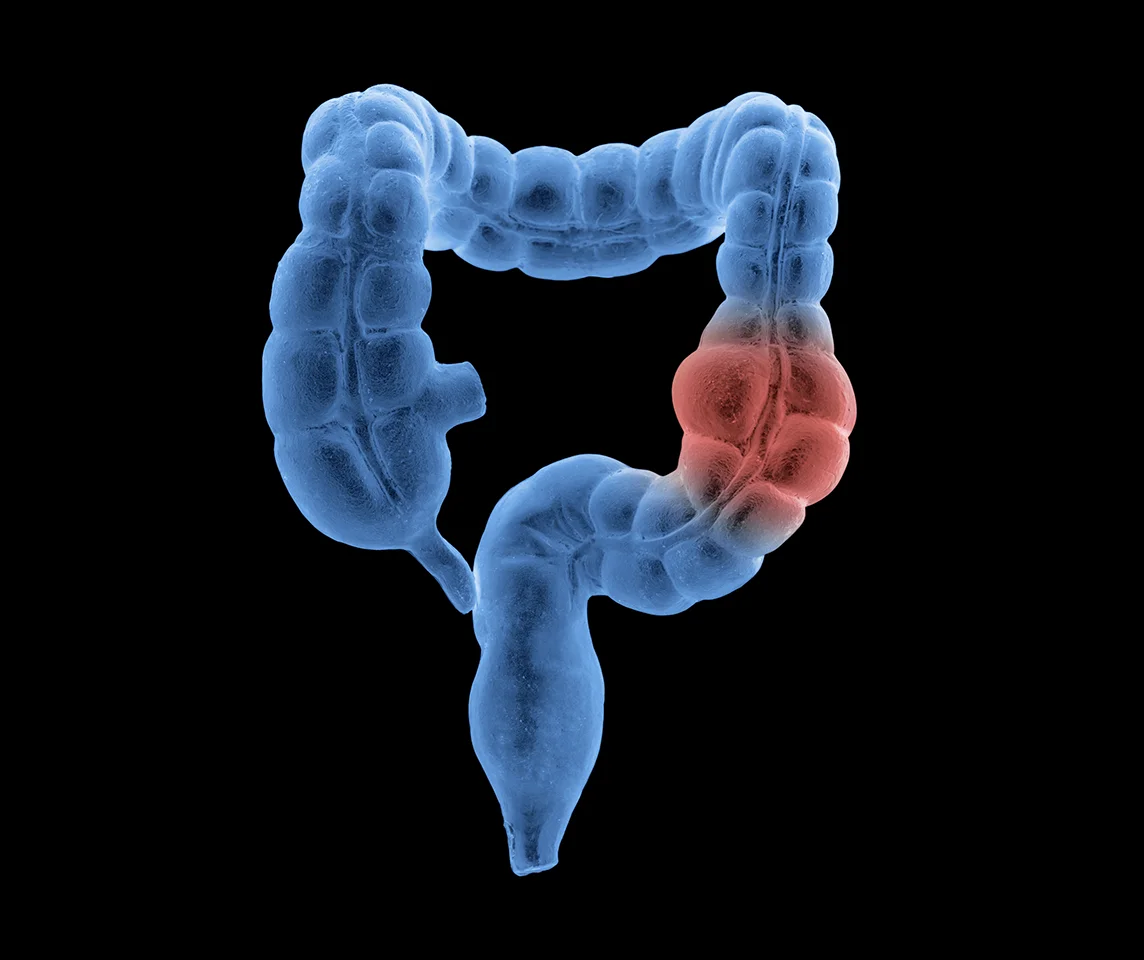
Harvard Researchers to Study Oral Microbes’ Link to Colorectal Cancer
A Massachusetts biobank will give Harvard researchers matched oral, stool, and tumor samples to investigate microbial patterns linked to colorectal cancer.
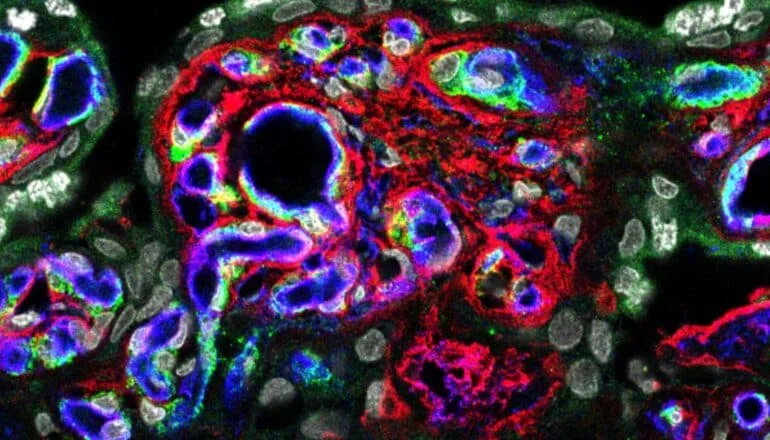
Placental Protein Could Help Explain Fetal Brain and Blood Vessel Development
Researchers found sR-beta in the placenta, where its oxygen sensitivity may offer clues to pregnancy disorders and fetal neurovascular health.

Bonn Retreat to Examine New Results on the Riemann Zeta Function
A Jan. 11–15 retreat at Bonn’s Hausdorff Center will cover recent zeta function results and their links to number theory.

How AI Is Changing the Future of Mathematics and Mathematical Careers
AI is raising questions about students’ motivation to study mathematics and pursue research careers—and how people will develop the judgment needed for complex work.
Metabolic Psychiatry and Mental Illness: What the Evidence Does and Doesn’t Show
Metabolic health can affect brain function, but current evidence doesn’t show it is the primary cause of specific psychiatric disorders.

The Hilbert Transform: Cancellation, Symmetry, and Complex Analysis
The Hilbert transform shows how kernel cancellation makes singular integral operators manageable, linking their symmetries to Fourier analysis and complex boundary values.

Harvard Experts on the Monsters That Reveal Our Hidden Fears
Harvard faculty and staff recommend monster stories that expose our blind spots and show how fear, corruption and ambition shape what we see.

Research Integrity Roundup: Journal Submission Pauses, Data Concerns and Retractions
Probability journals pause submissions amid rising volume, while data duplication and research integrity concerns drive new scrutiny.
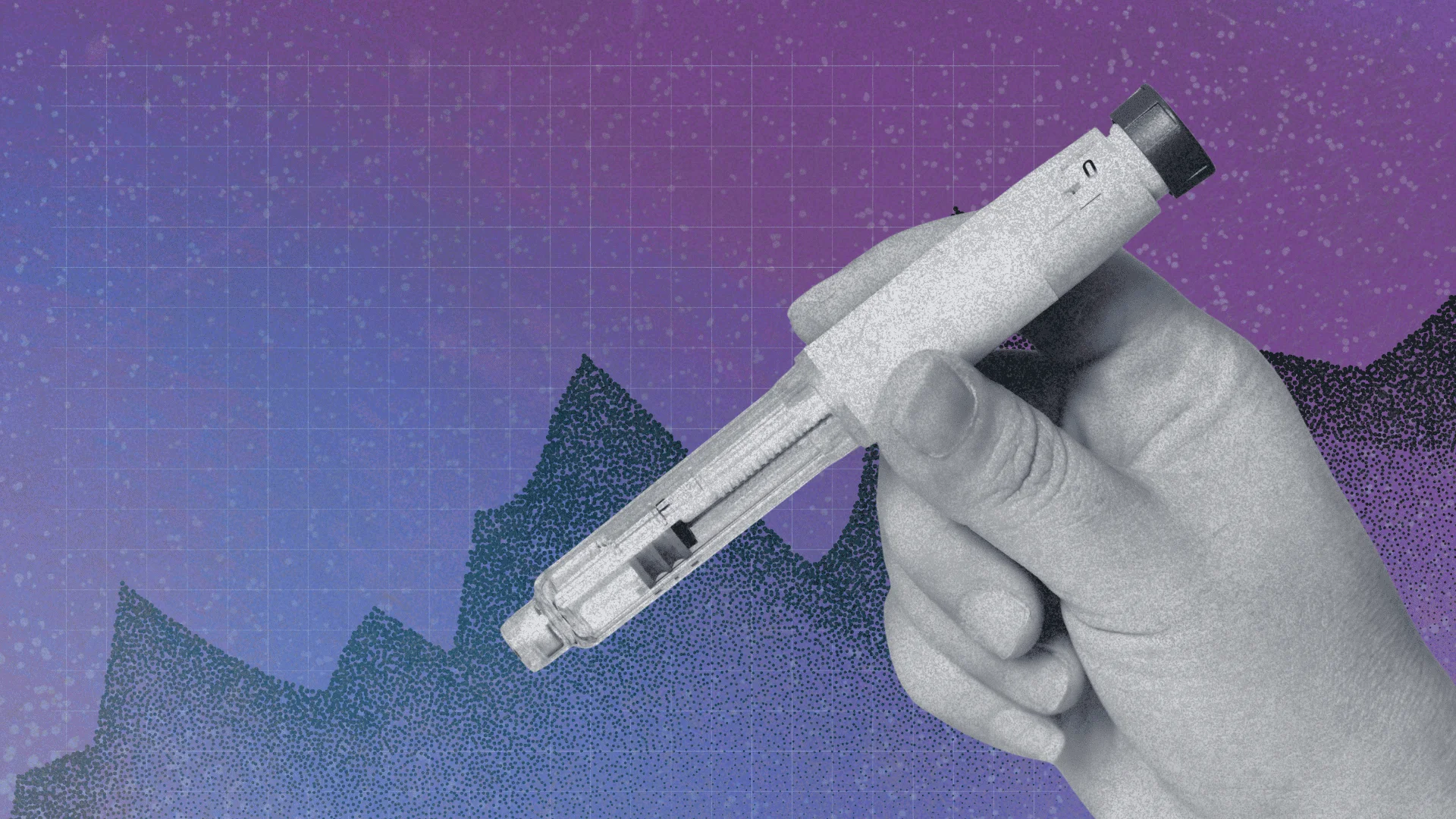
GLP-1 Weight-Loss Drugs: Who Benefits Most and What Are the Risks?
Experts discuss who may benefit most from GLP-1 drugs, along with concerns about weight regain, muscle loss and lasting lifestyle changes.

Integrative Oncology Studies Leave Independent Clinics Underexamined
Studies in Taiwan and France examine why patients seek integrative cancer care, but their focus on academic centers leaves independent clinics underexamined.
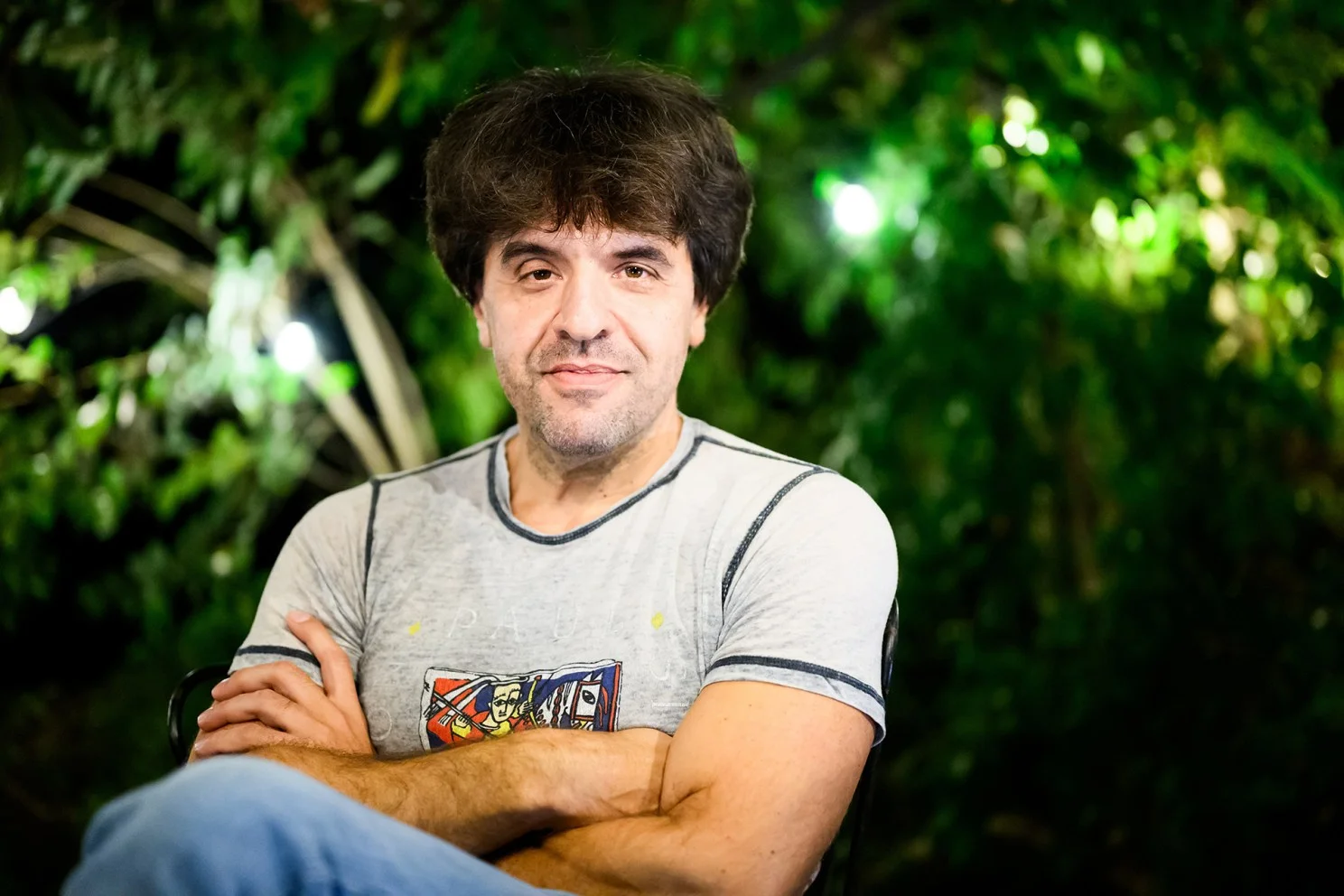
Nobel Laureate Karl Deisseroth Reflects on the Interplay of Writing and Scientific Inquiry
Karl Deisseroth discusses his journey from creative writing to neuroscience, exploring how understanding emotion and language intertwines with his groundbreaking research.
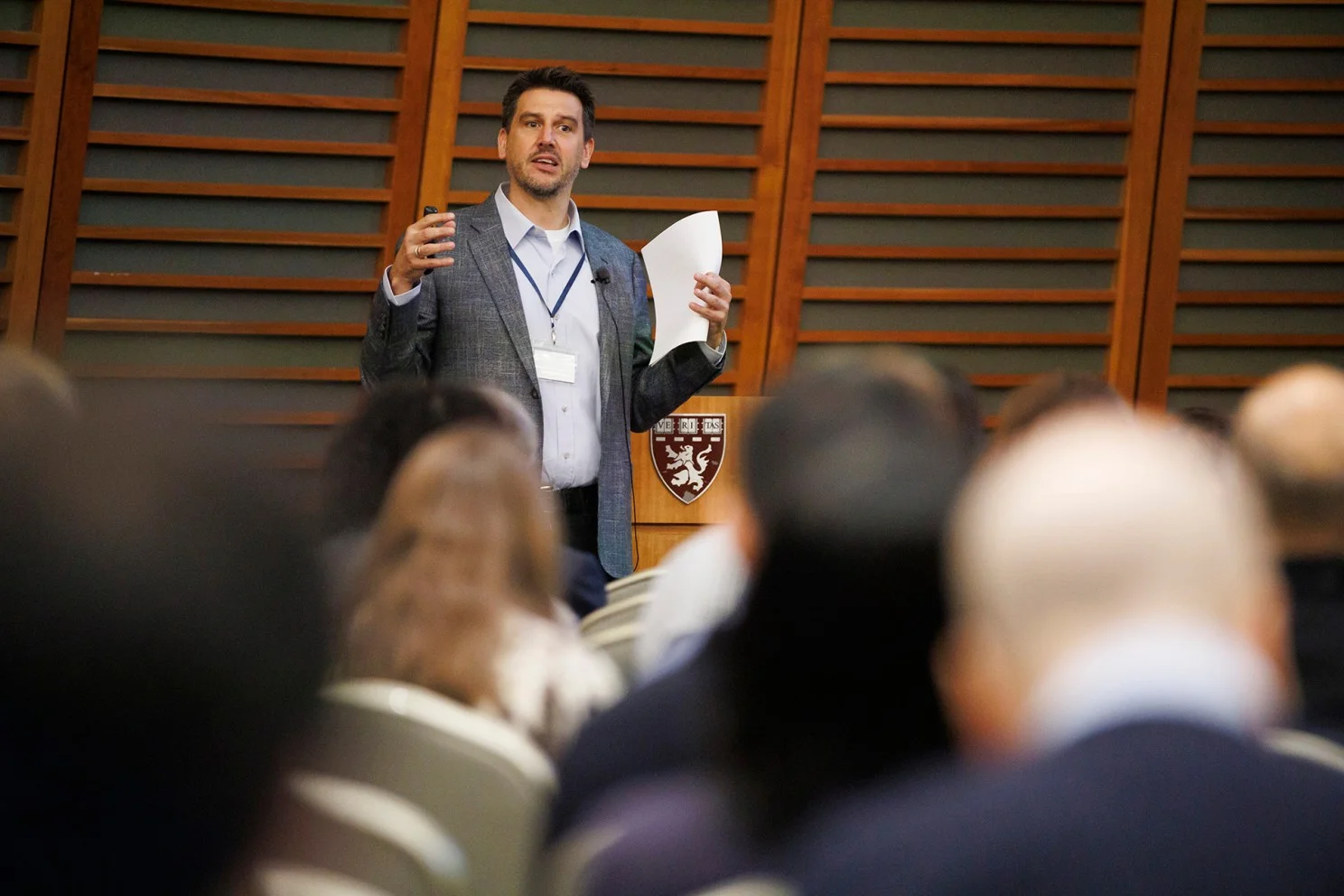
Rethinking Aging: Strategies for a Healthier Longevity
The Healthy Aging Symposium at Harvard highlights innovative approaches to promote longevity without disease, focusing on interdisciplinary collaboration.
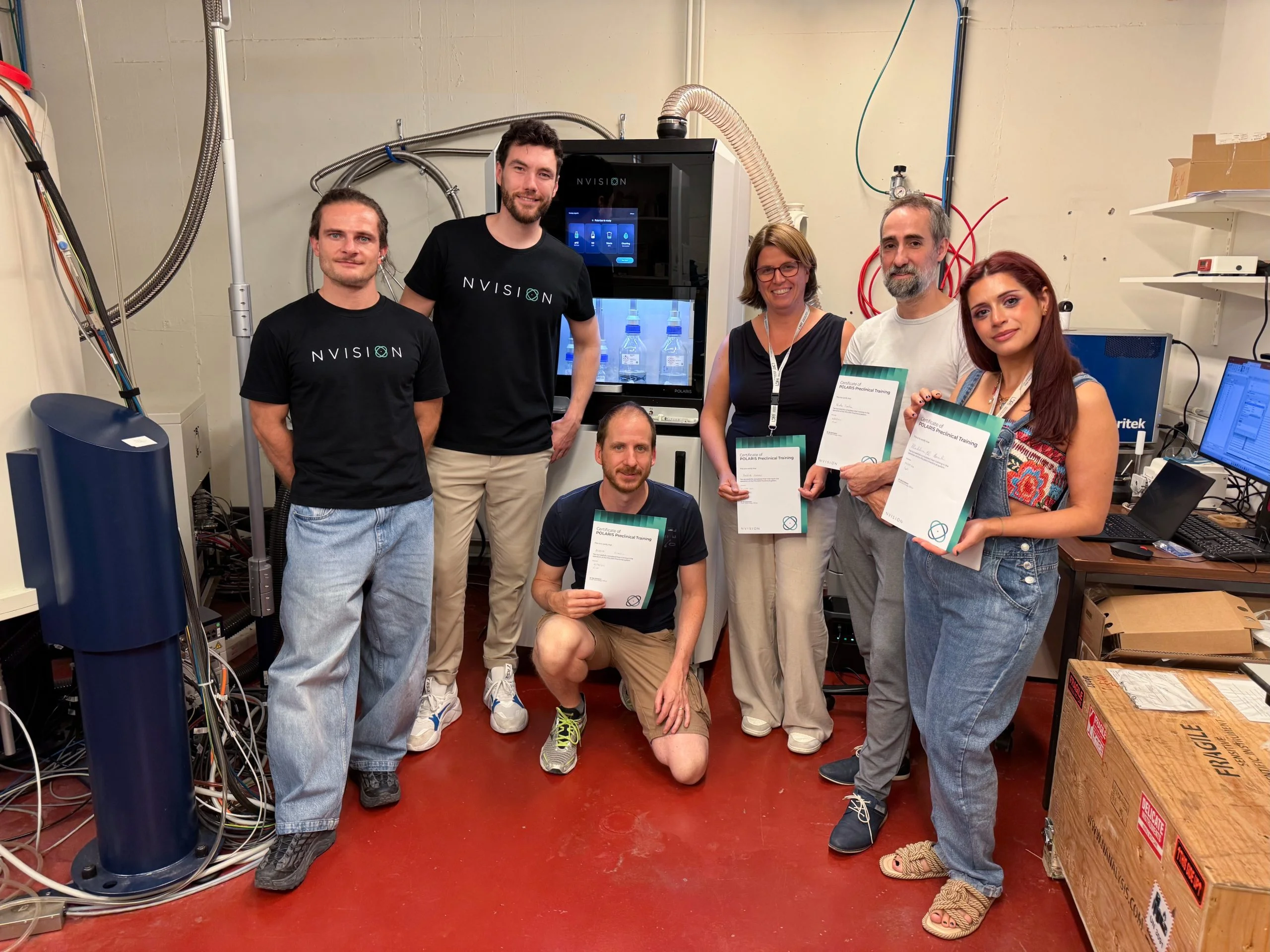
UCLouvain Advances Cancer Research with Quantum-Enhanced MRI Technology
UCLouvain installs the POLARIS quantum MRI system to enhance cancer research, focusing on metabolic changes in treatment resistance.

Key Developments in Research Integrity: OpenAI's Preprint Withdrawal and More
This week highlights significant issues in research integrity, including OpenAI's preprint withdrawal and ongoing citation controversies affecting journals.

Understanding the Serious Risks of Hip Fractures and Effective Prevention Strategies
Hip fractures pose significant mortality risks, yet many overlook their preventability. Expert insights reveal key prevention strategies and health management.
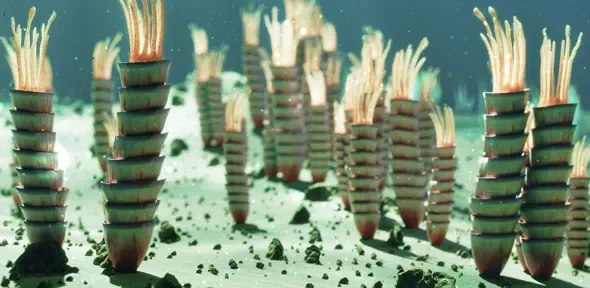
Microbial Evolution and the Missing Links in the Fossil Record
Research reveals that collagen-eating microbes may shed light on the gaps in our understanding of early animal fossil preservation.
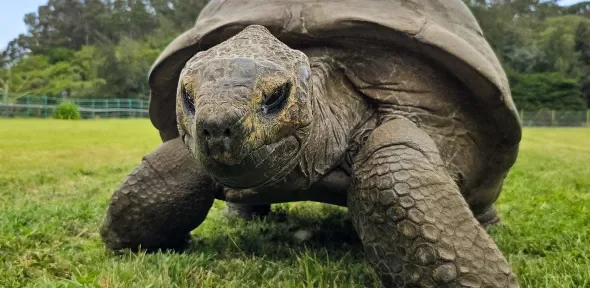
Genetic Study Uncovers Longevity Secrets of the World's Oldest Giant Tortoise
A recent study reveals genetic factors enabling Jonathan, the oldest living tortoise, to maintain resilience and longevity despite his 194 years.
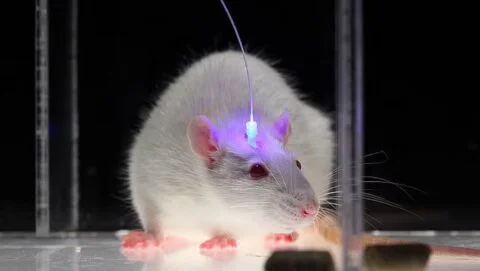
Exploring the Nobel Prize 2026: Optogenetics and Its Transformative Role in Neuroscience
The 2026 Nobel Prize highlights the pivotal advancements in optogenetics, shaping our understanding of brain functions and mental health.