A Harvard Extension School course gives students a place to talk about loss, then sends them off with a personal portfolio of coping resources instead of a final exam.
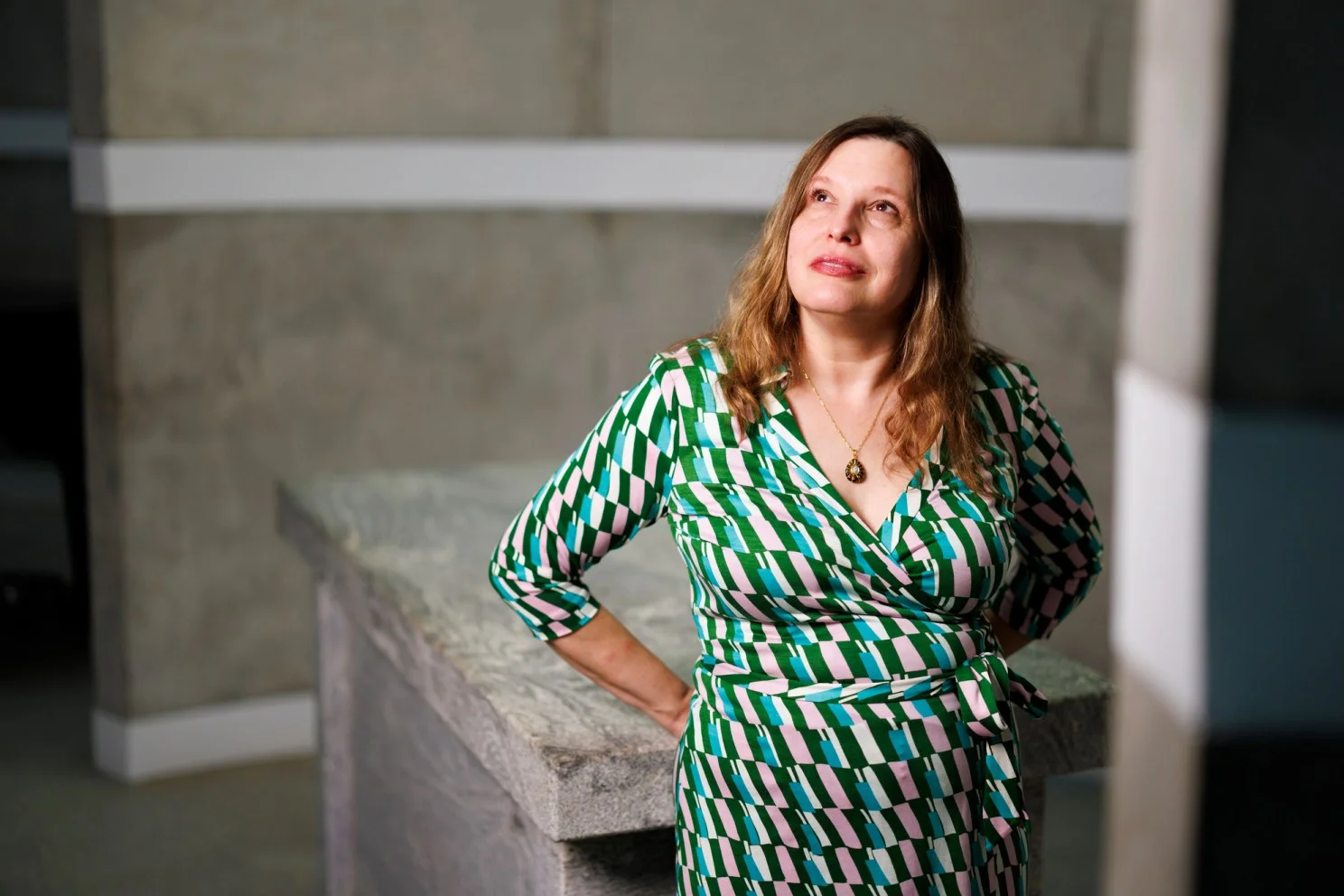
Grief is one of the few experiences everyone shares, and most people still handle it alone. Cynthia Meyersburg's Harvard Extension School course is built on the idea that this silence does real damage, and that a classroom can be a better place to break it than most people expect.
Meyersburg, who is teaching the course for the sixth time since 2022, says people tend to bottle up grief for two reasons. Some fear upsetting the people around them. Others simply don't know what to do with it.
“Our culture is not used to talking about grief or dealing with it,” Meyersburg said. “Having a place where it is OK to talk about it and not feel alone with it can be beneficial to people.”
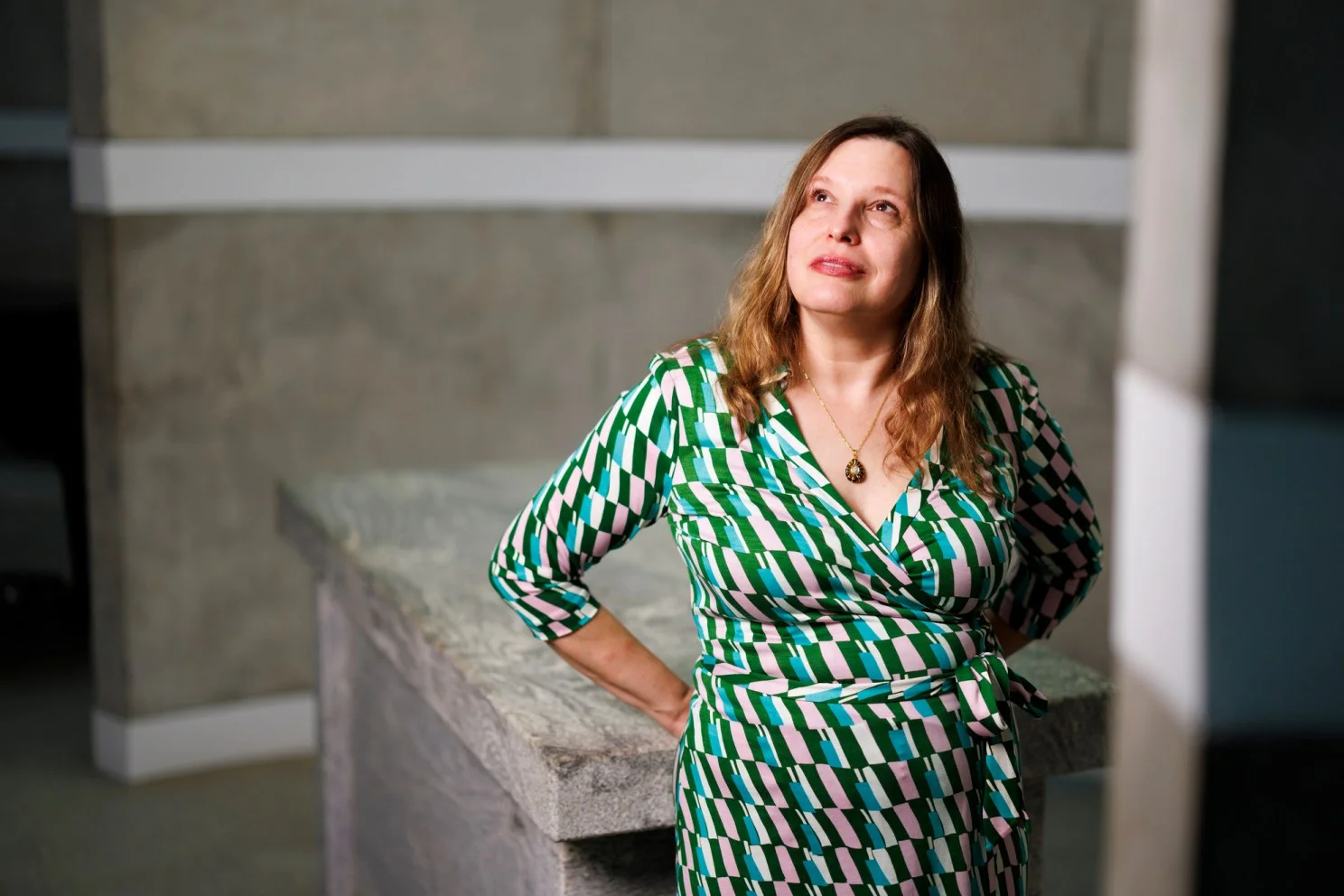
Cynthia Meyersburg.
Veasey Conway/Harvard Staff Photographer
More grief than most people realize
Meyersburg's course goes beyond theory. She walks students through the leading models of grief and the newest research, but she also gives them concrete ways to handle loss. Her enrollment reflects the mix of people who need that. Clinicians, clergy, teachers, and therapists sit alongside students who are dealing with heartache of their own.
The scale of the problem explains why the demand is there. “Two people die every second,” Meyersburg said. “In 2025, 63 million people died. If you multiply that number by five or 10 people grieving for those deaths, it's an enormous number of people who are mourning.”
She puts a more conservative figure on it. Assuming six close loved ones per death, she estimates 378 million people worldwide are in their first year of mourning. “To put that in perspective, that is a number of people greater than the entire population of the United States.”
Grief is not a modern invention, either. Meyersburg points to evidence that Neanderthals appeared to have buried their dead. “At our earliest origins we clearly had attachment and grief,” she said.
Loss doesn't always come with a funeral
Meyersburg's view of grief is wider than bereavement. It can follow the loss of a job or a home, a divorce, infertility, or anything else that knocks someone off their sense of normal. Some of the hardest grief, she argues, is quieter.
“We also grieve hopes and dreams we had about our lives when they don't turn out the way we wanted,” she said.
That broader definition is what makes the course useful to people who never expected to study grief at all. It also helps explain why some students arrive with a personal stake they don't mention on day one.
Students who came in carrying their own losses
Sophie Nord, A.L.M. '25, took the course after losing her parents and two other close relatives. She now wants to become a grief counselor. “I had been through some heavy grieving in my life, a string of sadness,” Nord said. “The course helped me learn to deal with my own grief better, and it also made me feel less alone, knowing that it has been studied, and that there are many ways to make it through a difficult situation.”
Her perspective changed the way she sees other people, too. “I learned that grief comes in many forms,” she said. “Knowing how broad and deep the grief pool is has helped me recognize grief in others, even if it's outside the traditionally accepted definition of the word.”
For a class assignment, Nord wrote a 101-page guide on healing from loss and grief. She hopes to publish it soon.
Kimia Grigoriev '23, A.L.M. '23, had lost her husband and her home within a short span, and her sadness dragged on for years. The course introduced her to complicated grief, also called prolonged grief, a term she had never encountered before. “The class was difficult, but after I got through it, I felt so much lighter,” said Grigoriev, who went on to doctoral studies in psychology focused on trauma and grief.
Martie Agravante '27 enrolled to fulfill a requirement for her bachelor's degree from the Extension School. She also needed help coping with her grandmother's death and the strain of her mother's breast cancer diagnosis. “The class helped me grieve in a really healthy way,” said Agravante, a psychology concentrator. “I really think everyone should take this class because grief is something we all have to go through and experience in one way or another.”
No final exam, and a portfolio instead
The course breaks from academic convention in one clear way: there is no final exam. Students build a personal grief portfolio instead, a collection of practical resources they can pull out when they need them.
That choice is deliberate. “I try to have my students walk away with things that are useful for them,” Meyersburg said. “Some come with a heavy load of pain and others with a light load, but they all have a better understanding of grief when they finish the class. I don't ask them to take a final exam. No one should have to take an exam on how they're dealing with grief.”
The real measure of a course like this won't show up in a transcript. It will show up the next time one of these students, in the middle of a loss, opens a folder they built for exactly that moment.

Discussion
Sign in to join the discussion.