A.R.T. premieres a musical adaptation of 'Black Swan,' blending dance and intense themes from the iconic film for a captivating theatrical experience.
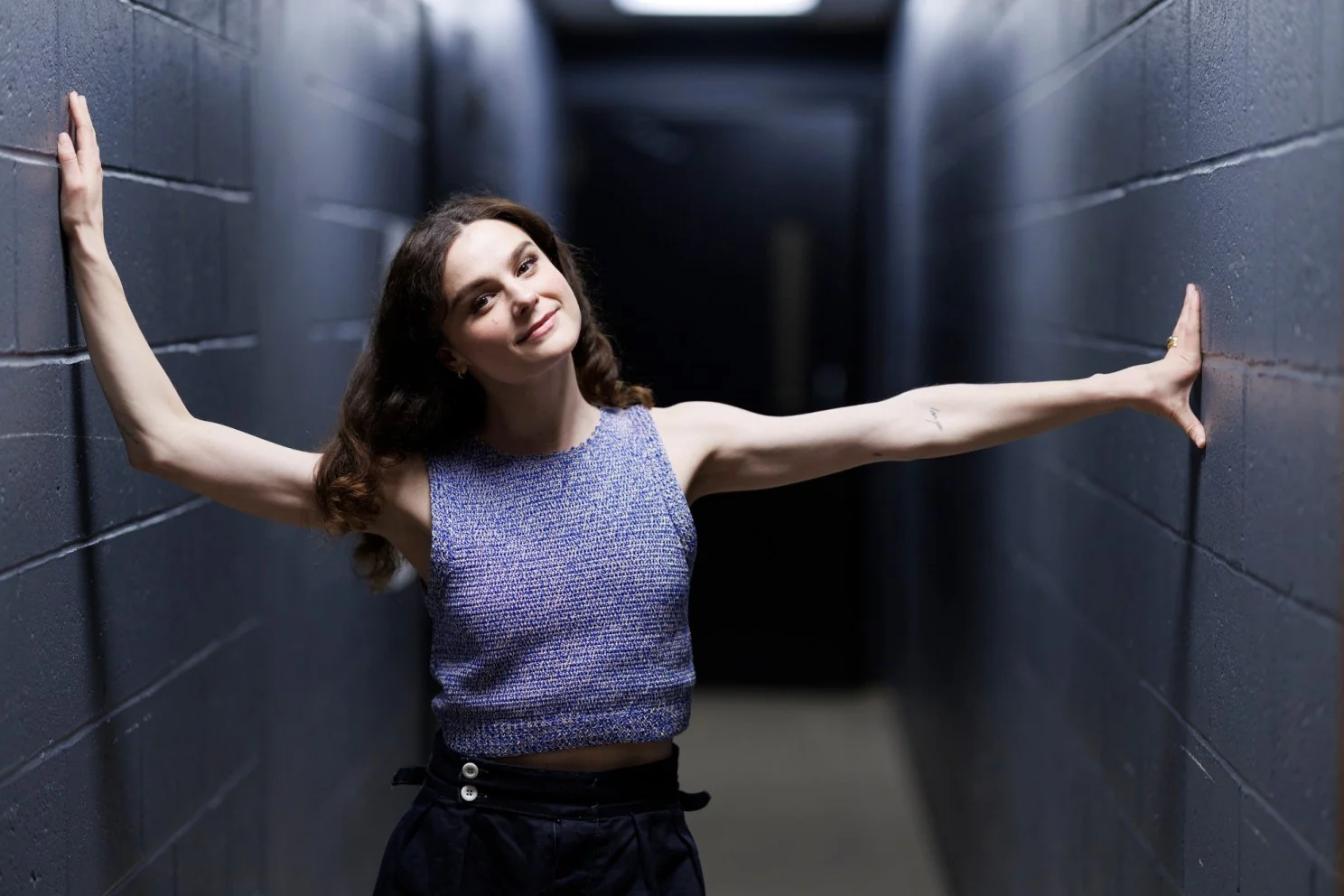
The psychological thriller “Black Swan,” known for its harrowing narrative and unsettling visuals, has made the leap from screen to stage with a new musical adaptation. Premiering at the American Repertory Theater (A.R.T.), this version revisits the original film’s enigmatic themes while reinterpreting them for a contemporary audience. With its exploration of ambition, madness, and the duality of human nature, the musical aims to capture the essence of the film while offering something fresh for theatergoers.
Jen Silverman, the playwright behind this adaptation, drew inspiration from her initial viewing of the film as a graduate student. “It really freaked me out in really good ways,” she recalled. This visceral response isn't uncommon; many who encountered "Black Swan" found themselves haunted by its intense portrayal of ambition gone awry. Silverman’s enthusiasm for the project grew as she contemplated the challenge of translating the complex inner turmoil of the main character, Nina, into a live performance. Adapting such a multifaceted character isn’t easy, and transforming her internal struggles into an external display requires both artistry and insight.
Under the guidance of Tony Award-winning director and choreographer Sonya Tayeh, alongside acclaimed musicians Dave Malloy and Or Matias, the team has crafted a narrative that intertwines music, movement, and visual storytelling. Tayeh’s previous accolades give her an edge in creating a piece that balances emotion with technical proficiency. The production runs through July 12, with an official opening night recently celebrated. Given the lofty ambitions of this adaptation, the challenge for Tayeh and her team is clear: how to maintain the psychological tension of the original while adapting it for a different medium.
Portraying Nina: A Dance of Duality
Melanie Moore, who steps into the role of Nina, brings her extensive dance background to the performance. Having previously collaborated with Tayeh on "So You Think You Can Dance," she embraces the character's struggles and aspirations, recognizing the deeper emotional currents that define a professional dancer’s life. The choice of Moore is pivotal; her experience helps capture the nuanced dynamics of a performer battling both personal demons and external pressures.
Moore emphasizes the dichotomy within Nina: “There’s this incredible vulnerability and a real drive that she discovers in herself.” This multifaceted portrayal invites the audience to witness her journey of self-discovery, which, while ambitious, also leads to profound sacrifices. Many might view Nina simply as a tortured artist, but according to Moore, her complexities speak to broader themes about the price of success and the psychological toll it can take. If you're working in this space, you'll find that such layers add a much-needed depth to both the character and the storytelling itself.
Adapting Horror for the Stage
The creative team has taken great care in transforming the chilling essence of "Black Swan" into a theatrical format. Adapting horror for the stage is no small task; while film relies on visuals and audio effects to elicit fear, live performance requires a different approach. The show places a significant emphasis on dance as a narrative device while utilizing music and song to evoke an emotional resonance uncommon in traditional storytelling.
Silverman explained, “The narrative is very dance-forward,” illustrating how the choreography not only complements the music but enhances the storytelling. The emphasis on dance is a bold choice; movement can convey emotion and tension in ways that words often cannot. The production also explores how to evoke thrills traditionally reserved for film, employing theatrical techniques that convey tension and horror without the aid of cinematic elements. This is where the live aspect of theater shines, allowing raw, immediate emotion to permeate the space in a way that recorded media can rarely achieve.
Audience Reactions and Expectations
There are high hopes for the emotional impact of the performance. Given the intense subject matter and the intricacies of the adaptation, the creative team anticipates diverse audience reactions. Moore expects a spectrum of responses: “I think some people are going to leave horrified, some will be impressed by her journey, while others might just marvel at the dance.” The uncertainty of audience reactions reflects the boldness of the adaptation—such a range may not emerge from more conventional productions but instead stems from the desire to challenge viewers emotionally. Ultimately, she hopes that the experience sparks conversation and reflection among viewers, potentially altering how they think about ambition, art, and self-destruction.
For those eager to witness this bold reinterpretation of a modern classic, “Black Swan” will be running until July 5. Tickets can be purchased through the A.R.T. website. This kind of ambitious theater can be a double-edged sword; not everyone may resonate with the harrowing experience, especially those who adored the film for its psychological depth. That said, pushing boundaries is often where true art lies.
Implications and Future Outlook
The adaptation of "Black Swan" for the stage raises significant questions about the nature of storytelling in contemporary theater. as it tests audiences’ tolerance for complex narratives. If this production succeeds in capturing the original's emotional intensity, it could pave the way for more adaptations of psychological thrillers into live formats. Plus, as the arts navigate the post-pandemic landscape, novel adaptations such as this one could be crucial for attracting audiences back to theaters.
Moreover, successful reinterpretations can encourage other creators to rethink works that have traditionally been pigeonholed into specific genres or media formats. This is an opportunity for theater to challenge its own conventions—turning established narratives into new experiences that provoke thought and discussion. Essentially, you're not just watching a show; you're engaging with the material in a way that pushes for deeper analysis and emotional engagement. The outcome of "Black Swan" could be a barometer for future theatrical endeavors, influencing what stories are told, how they're told, and who gets to tell them.



Discussion
Sign in to join the discussion.