A recent screening of "Sátántangó" at Harvard challenges contemporary viewers' attention spans and highlights the enduring power of immersive cinema.
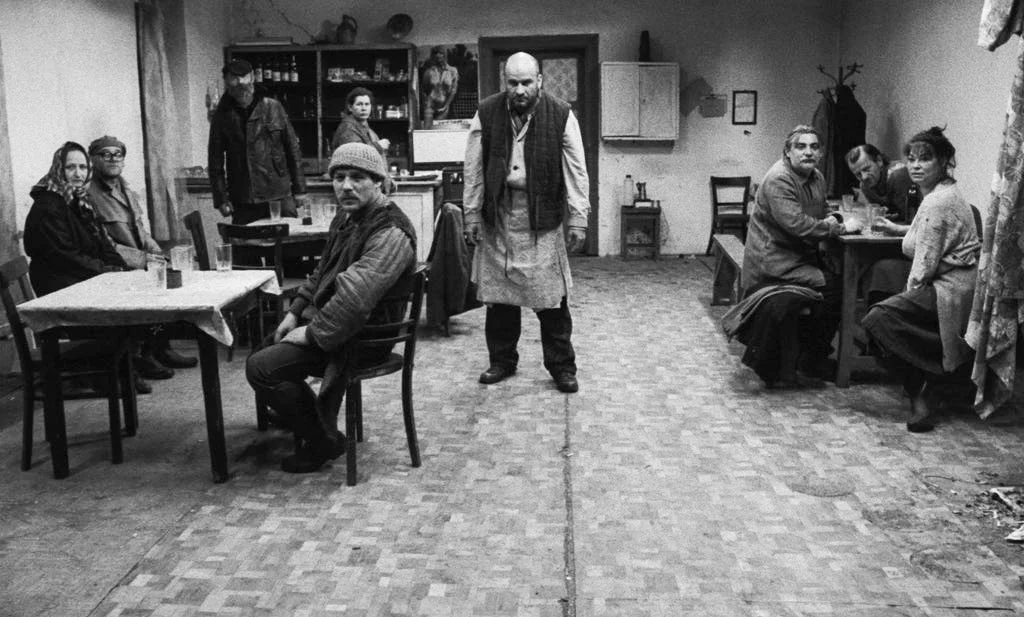
In an era marked by distractions, fewer individuals seem inclined to engage deeply with arts and culture. Recent studies reveal a decline in reading among Americans, with songwriters crafting shorter hooks in response to social media, and even film students showing diminished interest in watching movies. Yet, an intriguing anomaly unfolded as 140 attendees flocked to the Harvard Film Archive for a sold-out screening of Béla Tarr's "Sátántangó," a demanding 439-minute film that defies the brevity trend of modern entertainment.
A Deep Dive into "Sátántangó"
This 1994 black-and-white masterpiece, based on László Krasznahorkai's novel, presents a stark portrayal of life on a collective farm in rural Hungary post-Iron Curtain. Known for its lengthy takes and slow pacing, “Sátántangó” offers an experience far removed from typical cinema, with scenes spanning hours of mud, rain, and repeated accordion music. The film’s unique structure—which features overlapping narratives across its 12 acts—dares audiences to invest their attention. Its unconventional storytelling captures not only the bleakness of the narrative but also a philosophical inquiry into human existence and suffering.
For many viewers, the film’s extensive duration isn’t merely an obstacle but an invitation to reflect on the human condition itself. The languid pacing forces the audience to confront their attention spans, pushing them to engage with the film rather than merely consuming it as passive spectators.
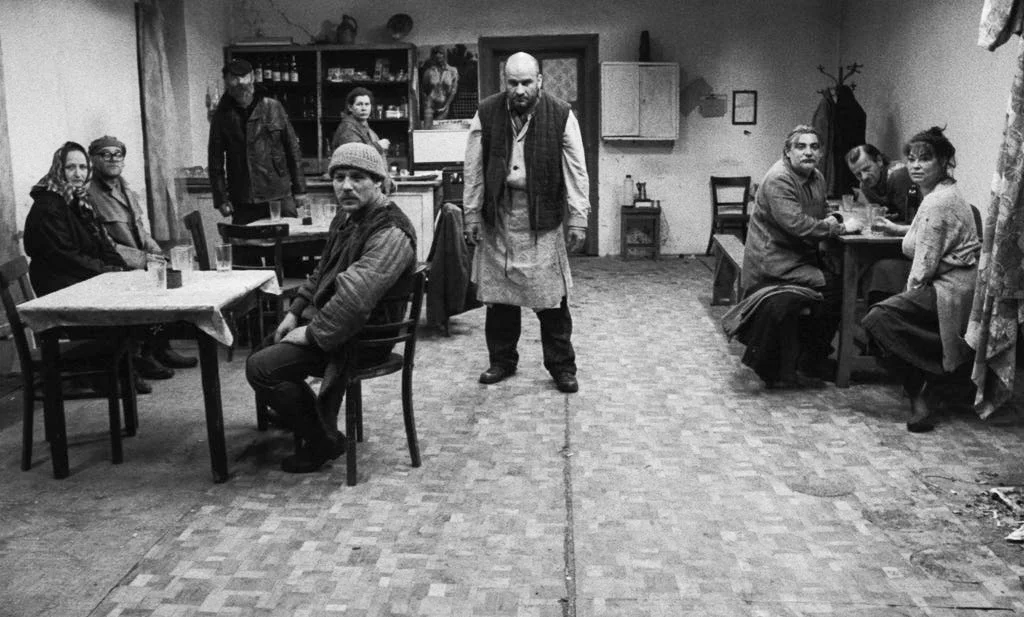
The Experience of Extended Engagement
The screening was more than just a film event; it was an exercise in sustained engagement and contemplation. Audience member Stephanie Tuerk expressed a certain thrill in the challenge posed by modern cinema. "I kind of love [watching] films in the contemporary age, because very few things require that much attention," she remarked. For Tuerk, the experience was akin to meditation, one where feelings of boredom could be confronted and channeled. This reflects a growing interest in immersive experiences—even in a society that seems increasingly captivated by quick, digestible content.
Interestingly, such a mindset may suggest a countercultural appreciation for art that demands time and thought. In an age where shorter content reigns supreme, the attraction to "Sátántangó" underlines a yearning for meaning and depth—qualities often stripped away in mainstream media.
Building Community Through Film
Introduced by Patrick Marshall, a filmmaker and a protégé of Tarr, the event served as a tribute to both the film and its late director, who passed away in January. Marshall shared his own transformative experience with the film, recounting how its humor and emotional depth struck him differently this time. “I was laughing a lot more this time than ever before,” he said, noting the film’s poignant complexities. This speaks volumes about the film's capability to resonate differently based on an audience's personal journey; Tarr's work is perennial, managing to evoke a range of emotions from its viewers.
“It’s not totally depressing — there is a shimmer of hope in there.”
Robbie Rhodes
Robbie Rhodes, another attendee from Harvard Divinity School, echoed similar sentiments, emphasizing the film’s undercurrent of hope amid desolation. Tyler Sprouse, also part of the Divinity School, reflected on the immersive experience that allowed audiences to connect deeply with the characters, making their struggles and fears resonate on a personal level. This emotional investment highlights how community-forming experiences, such as watching a lengthy film together, provide a shared framework for discussing broader existential themes.
The Philosophy of Béla Tarr
Marshall highlighted Tarr’s overarching ambition for cinema: to leave audiences either more resolute in facing their challenges or burdened by them. He explained, “Béla always said that there were two ways one would walk out of the theater after having seen a movie.” This philosophy became palpable during the screening, as attendees reflected on their engaging experience. The push-and-pull of emotion inherent in Tarr's narrative style often leaves audiences contemplating their own realities far beyond the end credits.
Engaging with the Art of Cinema
As part of the event's interactivity, audience members were invited to share their thoughts via postcard. One such reflection came from two friends who serendipitously discovered the screening while passing the venue late into the film. (And this is the part most people overlook) The delight in unexpectedly finding themselves in a space dedicated to deliberate reflection suggests a broader appetite for art that disrupts the ease of contemporary life. Marshall noted that Tarr, known for his unconventional take on filmmaking, would have appreciated this spontaneity.
This kind of active participation in art—immersive yet rigorous—stands in stark contrast to the convenience-driven consumption prevalent today. Marshall posited, “Tarr’s epic is not convenient. It asks more of you. I think we could use more things in the world that ask a bit more of us as people.” In throngs, audiences demonstrated their willingness to take on this challenge, perhaps indicating a shift in cultural norms towards valuing depth over rapid-fire entertainment.
Looking Ahead: The Future of Cinema
For those who missed the Harvard screening, "Sátántangó" will have another chance to captivate audiences at the Coolidge Corner Theater on June 7, part of the “Bleak Week” programming. This upcoming event isn't just about viewing a film; it represents a broader conversation regarding the state of cinema in modern times. What this means for you, the viewer, is an opportunity to engage with a collective experience that asks for your attention and introspection—a rarity in today's media climate.
This resurgence of interest in lengthier, more challenging films may signal a potential shift in how art is consumed and valued. As audiences begin to crave experiences that require active participation rather than passive engagement, it begs the question: could this be the beginning of a more thoughtful era in cinema?



Discussion
Sign in to join the discussion.