Emerging research highlights the importance of nutrition in cancer care, offering potential benefits for patient outcomes and cost reduction.
Cancer treatments are diversifying, but a growing body of research underscores the pivotal role of nutrition as an integral aspect of patient care. Studies reveal that focusing on dietary needs can significantly enhance the quality of life for cancer patients while also mitigating healthcare costs.
Fang Fang Zhang, a preeminent researcher in cancer epidemiology and nutrition at Tufts University, emphasizes the heightened nutritional requirements faced by cancer patients. She notes, “Cancer patients have increased nutritional needs due to cancer itself or due to treatment-related nutrition impacts symptoms, such as fatigue, nausea, vomiting, which place them at high risk of malnutrition.” Alarmingly, her research indicates that up to 85 percent of cancer patients, particularly those in treatment or with advanced illness, are vulnerable to malnutrition, which could lead to inflammation, weight loss, muscle mass decline, and compromised immune systems.
85% of cancer patients at risk of malnutrition
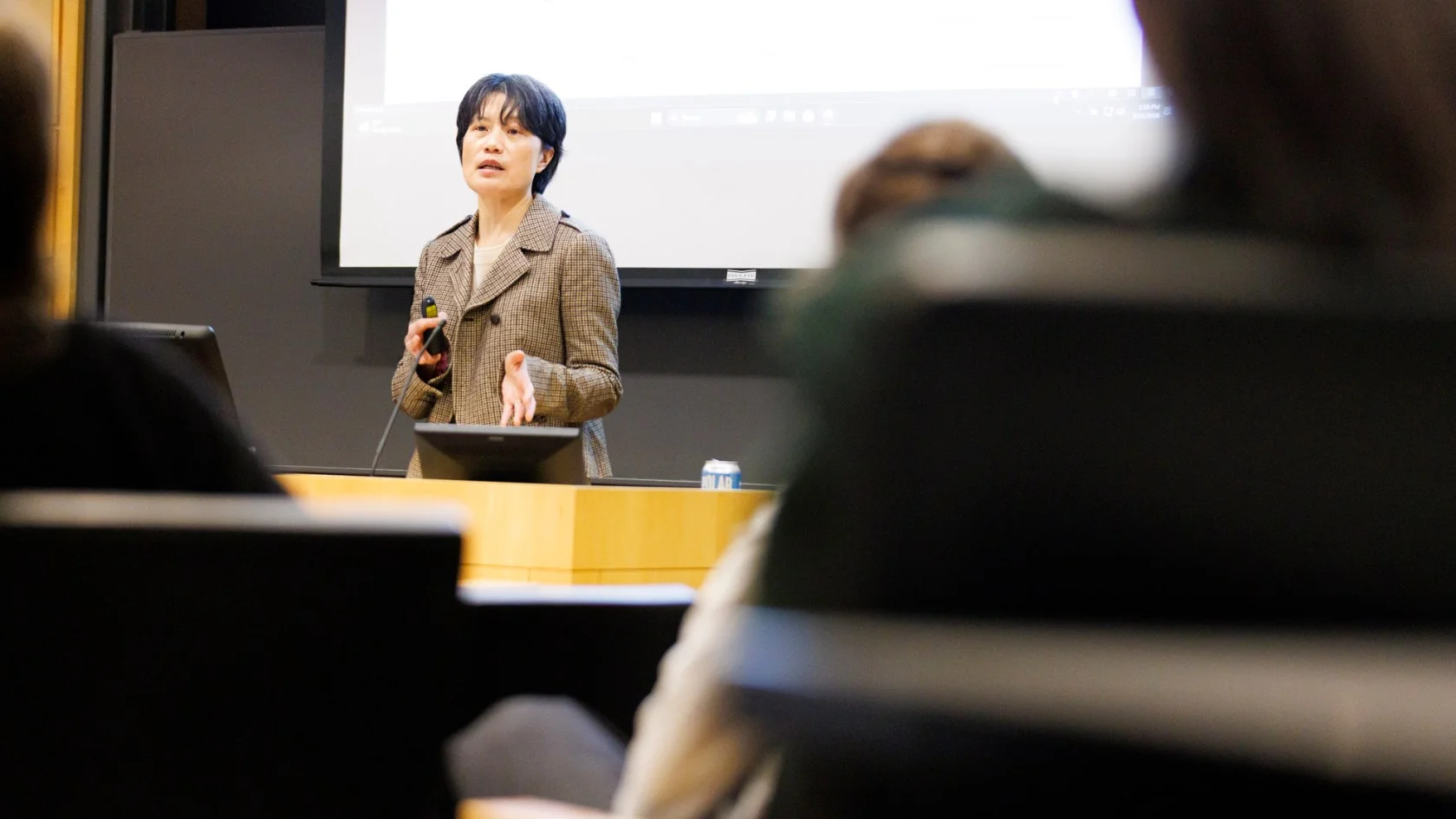
During a recent seminar at Harvard T.H. Chan School of Public Health, Zhang outlined how nutritional interventions could not only enhance patient outcomes but also potentially save billions in healthcare costs linked to malnutrition-related issues. For instance, she introduced several "Food Is Medicine" programs that deliver tailored nutritional support to patients with diet-sensitive conditions.
The first program focuses on medically tailored meals specifically designed for individual patients. This service offers high-protein and high-calorie meals to counteract weight loss, as well as texture-modified foods for those facing swallowing difficulties and diet-controlled options for patients with other health conditions.
The second initiative provides medically tailored groceries through food boxes or meal kits, supporting individuals in preparing nutritious meals at home. Finally, the third component involves “produce prescriptions,” which allow patients to obtain healthful foods at grocery stores using vouchers or electronic benefit cards.
According to Zhang, “All of these programs include nutrition education as an essential component,” highlighting the consistent evidence that such efforts can alleviate food insecurity, improve diets, and bolster mental health.
Research conducted by Zhang and colleagues evaluated the impact of a Food Is Medicine program on lung cancer patients. Participants in the intervention group received home-delivered meals and remote nutritional counseling, while the control group only had access to printed educational materials. The results indicated that those who participated in the intervention experienced meaningful improvements in overall nutrition as gauged by the Healthy Eating Index.
While these findings are promising, Zhang notes the gap in robust data: “The findings are still limited. There are new studies being conducted in the space of Food Is Medicine and cancer, so hopefully in the next year or few years from now, we’ll receive more evidence evaluating these programs for cancer.”
She highlights several barriers that impede the integration of nutrition into cancer care, including insufficient screening for malnutrition in cancer patients. Standard oncology practices often provide limited nutritional guidance, and many patients face challenges accessing affordable, nutritious food.
“Food insecurity occurs in more than half the cancer patients with lower income,” Zhang reveals. To address these systematic barriers, she advocates for strategic approaches to embed nutrition into healthcare protocols.
Massachusetts has been at the forefront of this movement, one of the first states to implement Food Is Medicine programs authorized under the Section 1115 Medicaid demonstration waiver. As it stands, 13 states have received approvals for similar initiatives, and further experimentation with these programs is anticipated.
Zhang expresses optimism regarding future research directions, asserting, “The overall research direction is not only to answer the question of does it work? But also, how does it work in the real world? And ultimately, how do we make it work everywhere?” This inquiry will be critical as the healthcare community seeks to better understand the practical applications of nutrition in cancer care.



Discussion
Sign in to join the discussion.