A team at Harvard’s Wyss Institute introduces an innovative platform harnessing engineered bacteria for targeted infection treatment and drug delivery.
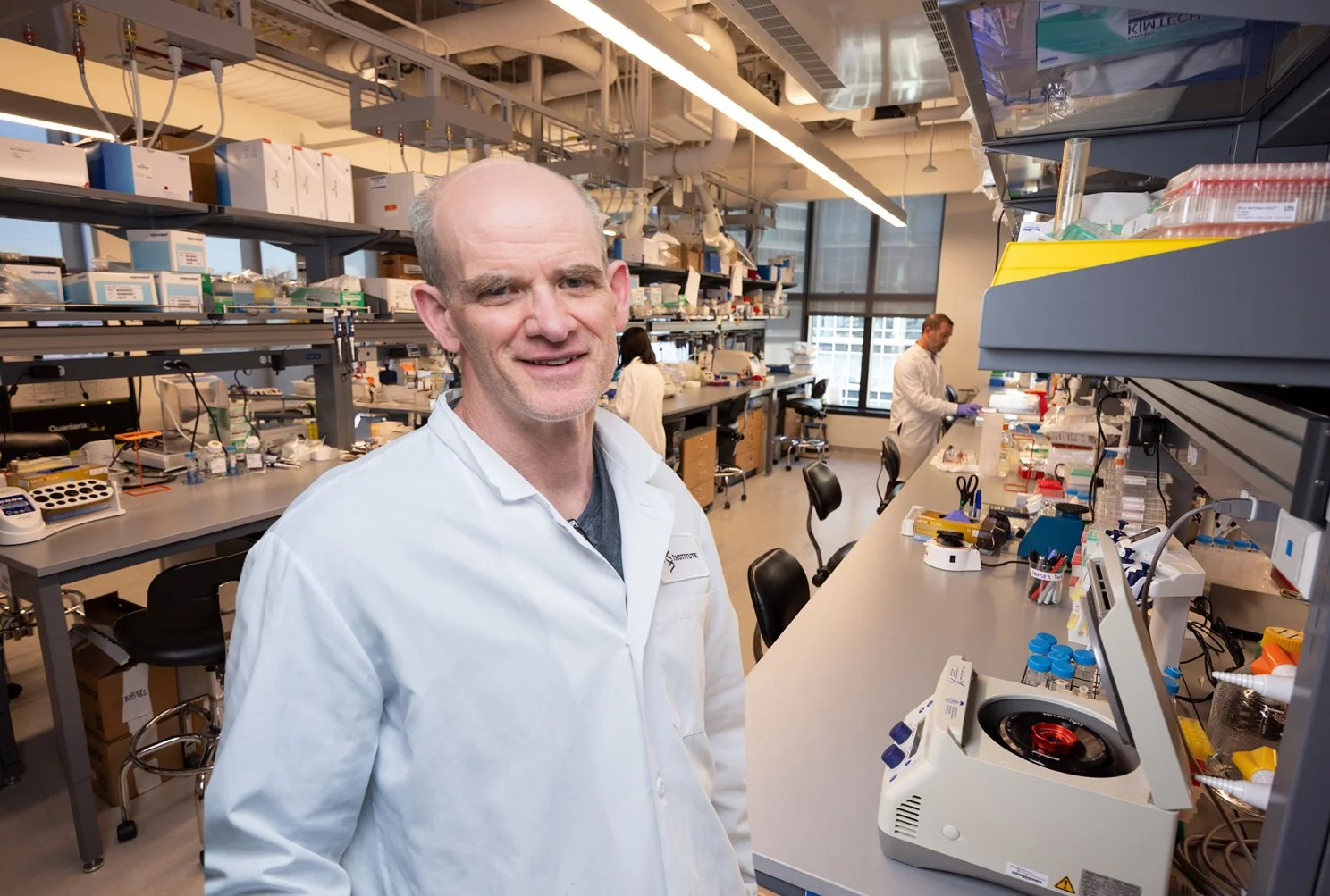
Advances in therapeutic delivery systems may now provide more efficient recovery options for patients battling various conditions. Innovative research from Harvard's Wyss Institute has unveiled a promising solution: an Implantable Living Materials (ILM) platform that permits on-demand release of therapeutic agents directly at targeted locations within the body.
Mechanism Behind Implantable Living Materials
This technology relies on genetically engineered, implantable bacteria capable of detecting specific disease markers and responding by producing therapeutic molecules. In particular, the platform utilizes E. coli bacteria, which can survive in the challenging environments within the human body, making them ideal for use in healing infections. This approach to using living organisms as therapeutic delivery systems represents a paradigm shift from traditional methods. The living bacteria serve not merely as delivery vehicles but as active participants in the healing process, capable of responding dynamically to the presence of pathogens.
In a recent study published in Science, the team, led by David Mooney, a professor of bioengineering, outlined how they encapsulated a specially engineered strain of E. coli within a synthetically designed biomaterial. This bioengineered environment not only supports bacterial growth but also withstands mechanical stresses encountered in dynamic tissues. The idea that you can program bacteria to act autonomously in the body may seem like science fiction, but research is increasingly making it a tangible reality.
Designing the Delivery System
At the project’s inception, the research team posed a significant challenge: designing a material that can encapsulate bacteria while maintaining both strength and permeability. “We needed a substance that could withstand internal pressure from the bacteria and external forces from motions within the body,” explained Tetsuhiro Harimoto, the study's lead author.
The team chose polyvinyl alcohol (PVA) as their base material due to its clinical use and ability to form nanoscale structures. This processing created micro-sized pores that not only retained the bacteria but also allowed for the passage of therapeutic agents, enabling localized treatment. The implications of this are substantial; effective drug delivery systems must balance multiple factors, including biocompatibility, mechanical stability, and the ability to permit drug release. Remarkably, the ILMs demonstrated both structural integrity and the ability to contain bacteria over a six-month period, even under repeated mechanical stress.
Proving the Concept in Animal Models
To validate their approach, the researchers applied the ILM in a model dealing with periprosthetic infections, where bacteria infiltrate around orthopedic implants. The implanted materials, which were attached to a stainless steel device, demonstrated their efficacy by significantly reducing pathogenic burden when directly stimulated by the P. aeruginosa strain. By integrating the ILM into the environment surrounding the implant, researchers effectively created a localized defense mechanism that could respond to cell signaling markers indicative of an infection.
“Our experiments showed that the therapeutic ILM effectively sensed and responded to infection, unlike the control ILM that lacked therapeutic functionality, which resulted in rising bacterial levels,” Harimoto noted. This finding underscores the potential of engineered ILMs as a new class of therapeutics capable of safe, localized drug release. It suggests a future where infections can be managed more effectively, with fewer systemic side effects than conventional treatments. (And this is the part most people overlook: targeted therapies often lead to better patient outcomes.)
Broader Implications for Medical Science
The researchers believe that this new technology could address a variety of conditions, ranging from tissue repair to immune system modulation. The prospect of a responsive system that actively participates in the healing process opens up new avenues not just for infectious diseases but also for chronic conditions where traditional drug delivery methods fall short. Just think about it: the traditional approach often relies on timing and dosage without the ability to adapt to the body's fluctuations. But engineered ILMs promise a more tailored therapeutic experience.
A patent application for this innovative drug delivery system is currently in progress, which could pave the way for clinical applications. This isn't just about engineering; it's about revolutionizing how we think about treatment modalities. If you're working in this space, you might want to pay close attention to how these technologies could shift existing paradigms.
Adapted from a Wyss Institute press release.
Looking Ahead: The Future of Therapeutic Delivery Systems
The significance of this technology goes beyond immediate applications; it may well signal a shift toward a future where medicine is personalized and responsive in real-time. As researchers continue to refine bacterial engineering and biomaterial design, the potential for new therapeutic applications expands dramatically. From combating antibiotic resistance to enhancing tissue regeneration, the implications are vast.
However, the path forward isn't without challenges. Questions remain regarding long-term safety, regulatory hurdles, and the scalability of production. Each of these factors will play a crucial role in determining how quickly this technology transitions from laboratory bench to bedside. And yet, the enthusiasm surrounding this research may very well herald a new frontier in therapeutic delivery, one where patients get the right treatment at the right place and time — exactly when they need it.



Discussion
Sign in to join the discussion.