New findings reveal how stress hormones disrupt digestion, pointing to viable IBS treatments that restore gut function through targeted pathways.
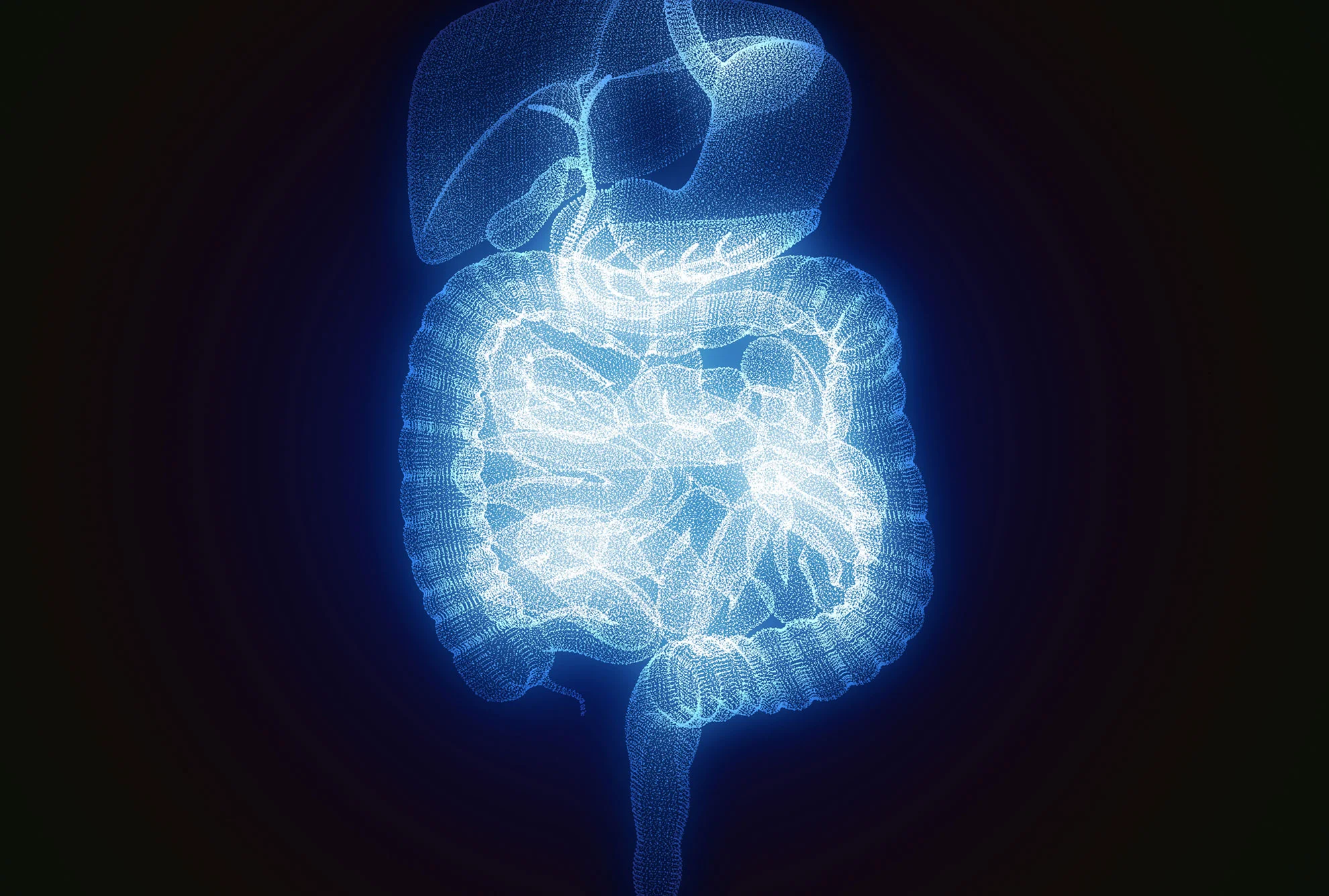
Stress can have a profound impact on digestive health, particularly for those suffering from constipation-predominant irritable bowel syndrome (IBS-C). It manifests as a tightening of the stomach and slowed digestion, with effects that can vary significantly among individuals. Recent research from Beth Israel Deaconess Medical Center (BIDMC) sheds light on this concerning relationship, demonstrating how stress hormones directly hinder gut function through a newly identified pathway.
The Science Behind Stress and Gut Health
The study, led by Subhash Kulkarni, assistant professor at Harvard Medical School and principal investigator in BIDMC's Division of Gastroenterology, reveals important insights published in the Journal of Biological Chemistry. Central to this investigation is the enteric nervous system (ENS), often referred to as the "second brain" of the gastrointestinal tract. This complex network governs digestion and autonomously manages the movement of food through the intestines. However, it's also susceptible to external signals, especially stressors, which can disrupt its normal functionality.
The ENS is not just a passive player in digestion; it actively responds to cues both from within the gastrointestinal tract and from the brain. Stress can trigger a variety of physiological responses, and when it does, the mechanisms behind digestion are often the first to falter. This connection between stress and gut performance underscores a critical link for those suffering from IBS-C, a condition that already burdens many with discomfort and digestive challenges.
Unpacking the Mechanisms
While previous studies have established that stress hormones can impede signaling within the ENS, the precise mechanisms remained elusive. The current research delineates the specifics of how stress impacts this pathway and suggests that restoration of its function could enhance gut health in affected individuals. The team found that stress hormones reduce effective communication between gut cells, slowing gastrointestinal movement and raising the likelihood of chronic constipation. This breakdown is intricately tied to a chemical signaling pathway involving brain-derived neurotrophic factor (BDNF) and its receptor, TrkB, which are crucial for maintaining responsive digestion.
Understanding how stress alters this communication is vital. Stress hormones interfere with neurotransmitter release in the gut, which can distort the interplay between various cell types. The implications of this disruption extend beyond constipation; they touch on broader gastrointestinal disorders that can arise from chronic stress. You might find it surprising how little research has historically focused on this interplay, given the prevalence of stress in modern lifestyles.
Promising Developments
In an encouraging development, activating this signaling pathway using certain compounds showed promise in restoring normal gut motility in experimental stress models. Srinivas N. Puttapaka, an HMS research fellow at BIDMC, who co-led the study with doctoral candidate Jared Slosberg from Johns Hopkins University, highlights the significance of their findings: “This study identifies both the basic biology for why stress slows down your gut and creates a platform through which novel therapeutics can be generated and tested for treating stress-associated constipation.”
This revelation is more significant than it looks. It indicates that there might be specific treatments tailored to those suffering from stress-induced digestive issues, rather than relying solely on general remedies. The study opens doors to targeted therapies that address not just the symptoms of IBS-C, but the underlying mechanisms, potentially revolutionizing treatment approaches for patients.
Implications for Future Research and Treatment
Puttapaka further emphasizes that their research not only clarifies how stress disrupts the digestive process but also delineates a clear target for the development of new IBS treatments. By understanding and addressing these mechanisms, researchers may open avenues for innovative approaches tailored to improve gastrointestinal health in stressed individuals. This is significant because it steers attention away from conventional treatments that often overlook the psychological aspects of conditions like IBS.
If you're working in this space or affected by IBS-C, the study suggests that future treatments could become more flexible and targeted. Treatments that focus on modulating the BDNF and TrkB pathways could lead to significant improvements in quality of life for many. Additionally, as mental health and gut health continue to be recognized as interconnected, this research might spur further studies exploring how psychological well-being influences digestion in a clinical setting.
This research was supported by funding from several sources, including the National Institute on Aging and Harvard Catalyst, among others, showcasing a collaborative effort to advance our understanding of the intersection between stress and digestive health. The pathway to effective treatments may still be long, but this study offers a clearer perspective not just on the problems at hand, but potential solutions that could benefit those grappling with stress-related digestive issues.



Discussion
Sign in to join the discussion.