Archaeologists have uncovered a significant 2,500-year-old marble statue in Sardis, shedding light on Lydian artistry and its cultural connections.
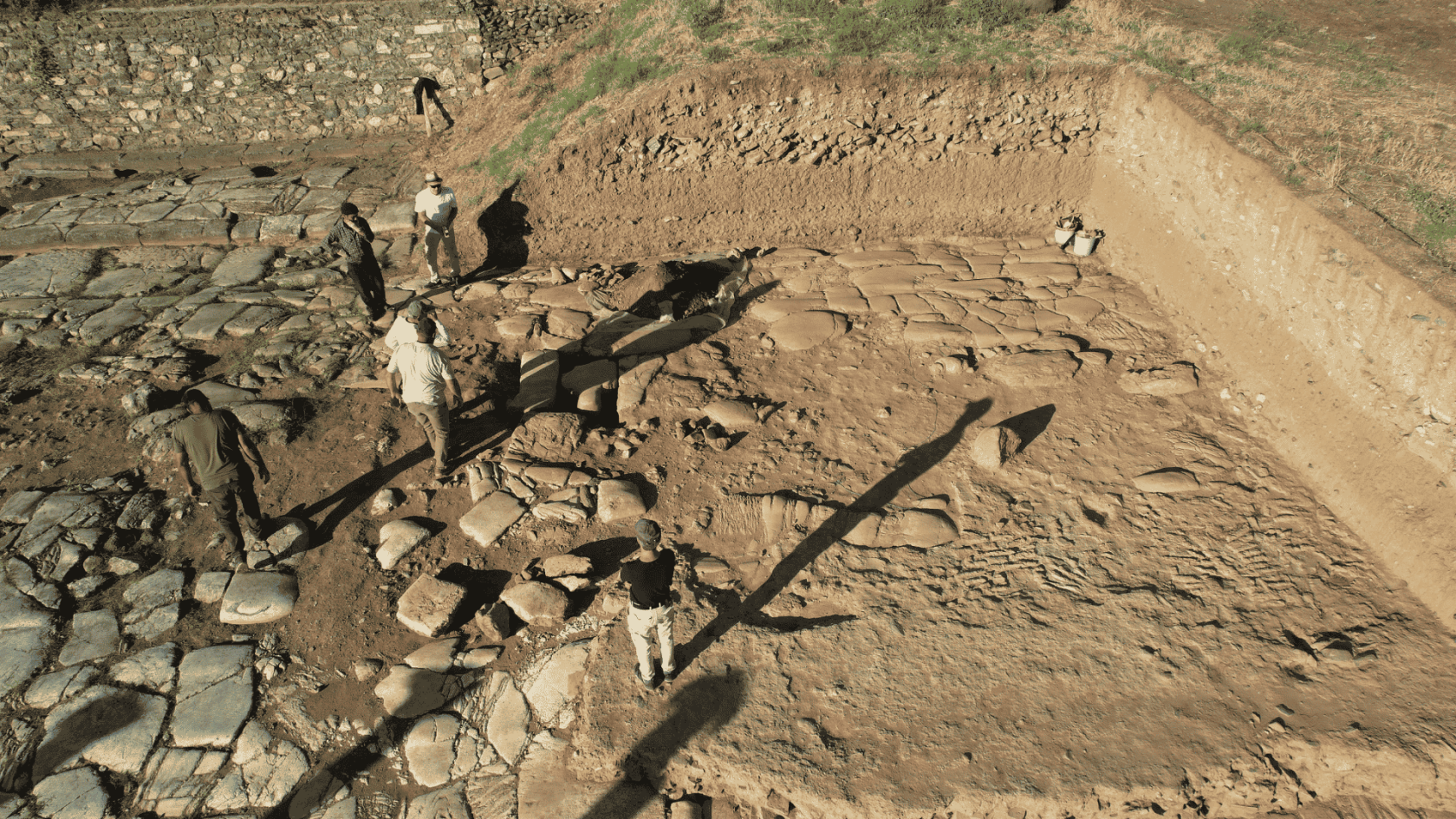
During a recent excavation at the historic site of Sardis in Turkey, a remarkable find has emerged: a colossal marble statue estimated to be around 2,500 years old. Researchers from the long-established Harvard-Cornell Archaeological Exploration of Sardis team made the discovery as they were investigating a well-preserved Roman colonnaded avenue.
This discovery holds profound significance, according to Nicholas Cahill, the field director of the project and a professor specializing in Greek and Roman art and archaeology at the University of Wisconsin-Madison. He indicated that finding such significant sculptures from this era is exceedingly rare in the Mediterranean, and this specific piece offers new insights into Lydian art and culture.
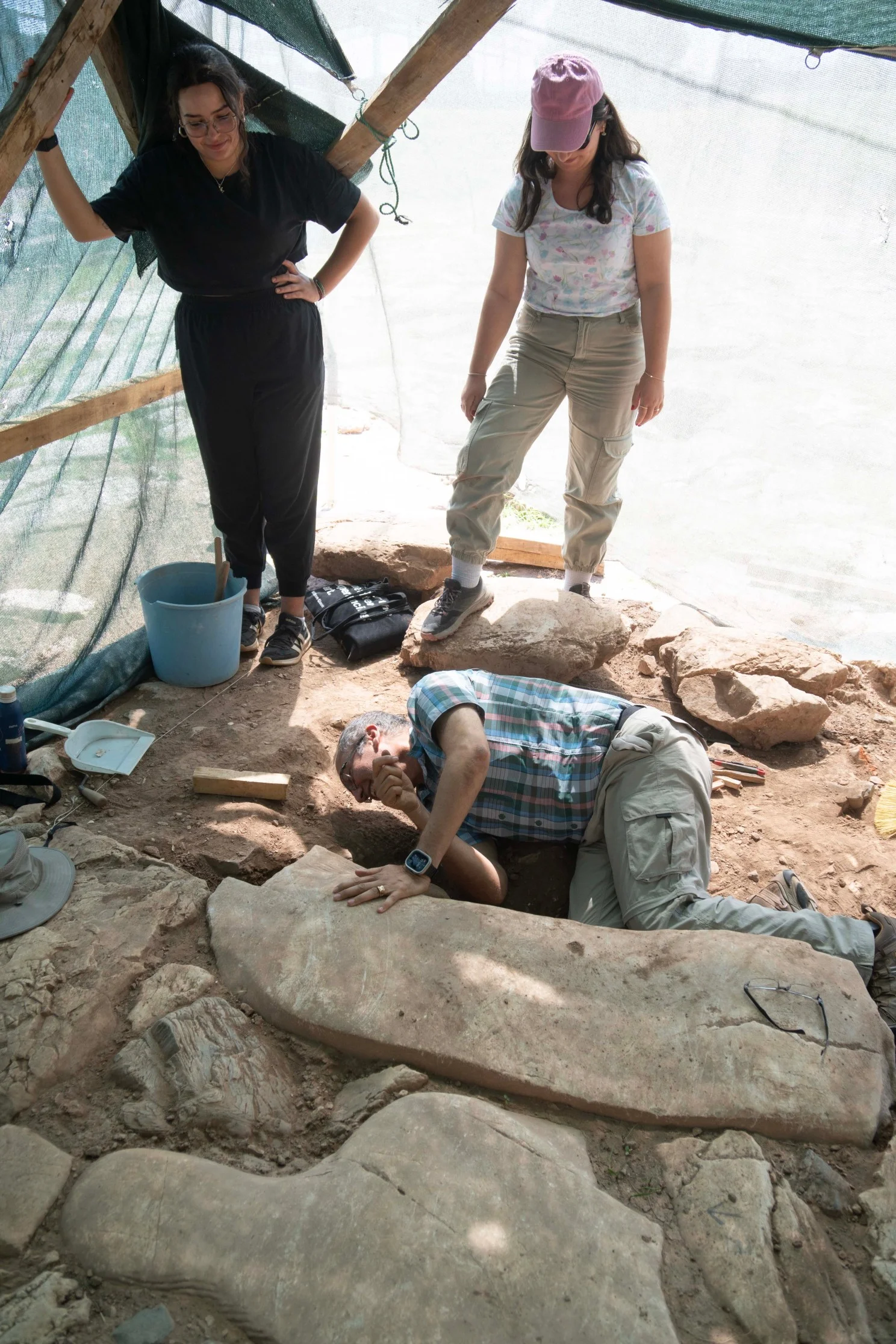
The statue, which had been broken into two main sections and reused as construction material—face down—on the ancient road, was unearthed in late May. “You sort of see these whole worlds opening up in front of you,” said Cahill, reflecting on the moment the team realized the importance of their discovery.
Accompanied by a dedicated team of conservators, the statue was meticulously excavated. After removing layers of soil, questions began to surface about its characteristics. Susanne Ebbinghaus, the George M.A. Hanfmann Curator of Ancient Art at Harvard Art Museums, shared the intriguing moment when they began to identify the statue's gender, confirmed by the discovery of sideburns as they cleared the dirt around its head.
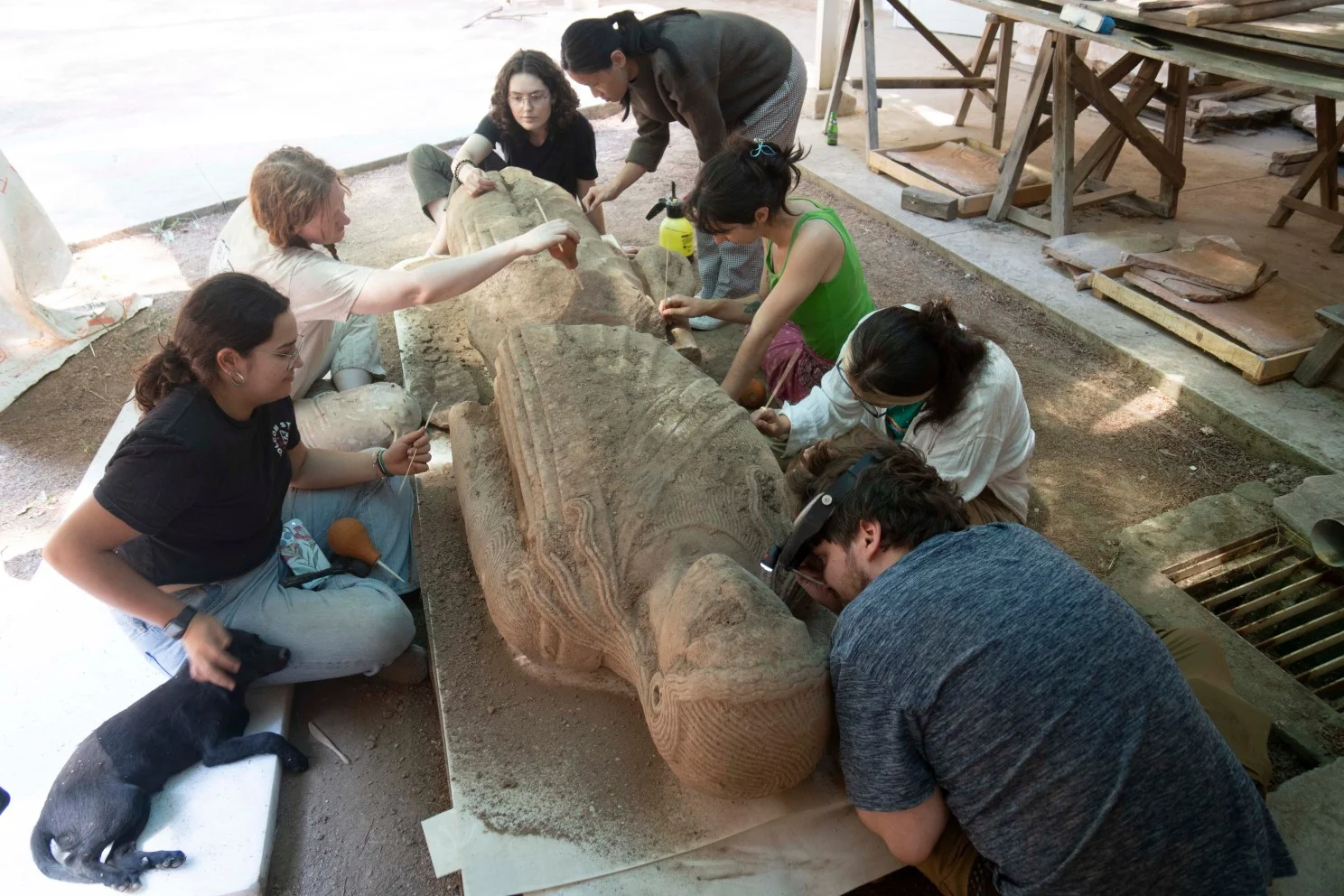
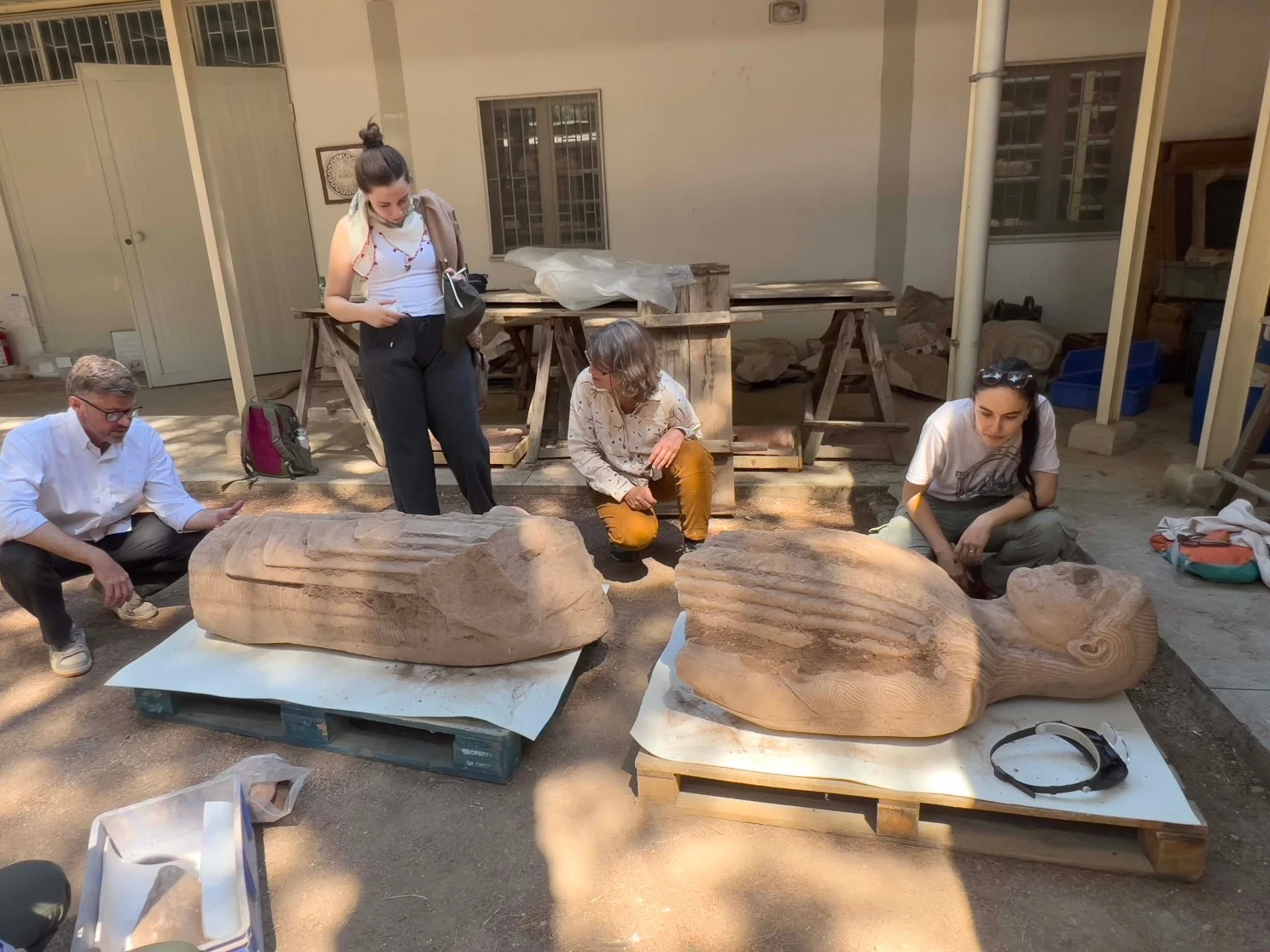
Upon arrival at the expedition compound, the statue gets an initial cleaning.
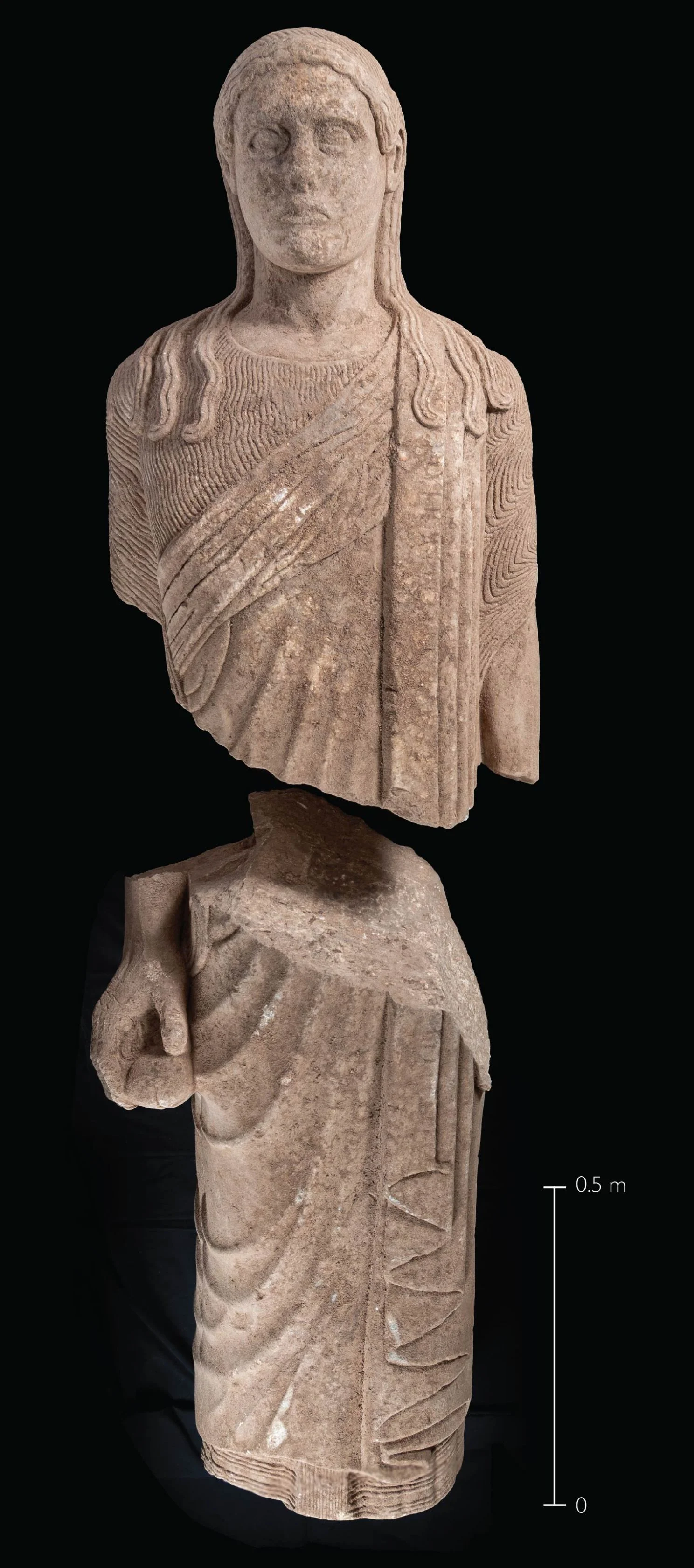
Archaeologists estimate the figure would have stood taller than 7 feet.
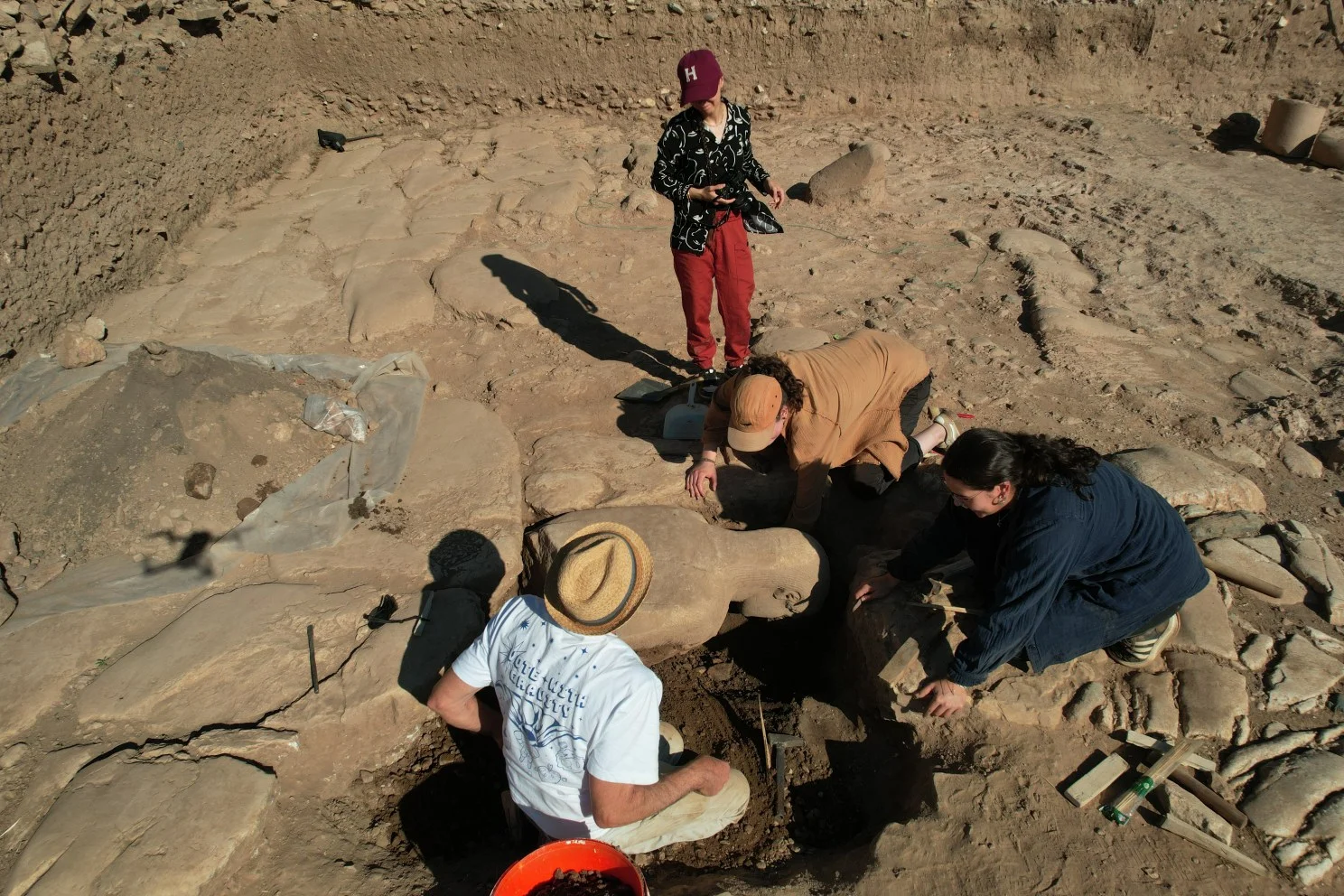
The team lifts the sculpture from the road.
The Lydians, who dominated much of western Turkey from the mid-7th to the mid-6th century B.C., left scant written records. Much of what is known stems from Greek and Roman accounts, often portraying the Lydians as distant 'barbarians.' However, archaeological finds have established Sardis as a thriving center for luxury goods, particularly textiles and perfumes.
James McCurley, a Classics and Physics major who participated in the excavation, declared the statue's excavation the highlight of his time on the dig. He expressed initial concerns about the statue potentially being too weathered, but was thrilled to discover it was remarkably preserved.
Following its excavation on July 13, the statue fragments were transported to the conservation lab for a thorough analysis. Research indicates that the statue would have stood over 7 feet tall and displays intricate garments, including a chiton and mantle, with unique horizontal folds in the fabric. Bahadir Yildirim, the expedition's administrative director, remarked on the statue's distinctive features that are rare in ancient sculpture.
While the style of the statue suggests influences from archaic Greek sculptures of the 6th century B.C., its anatomical details indicate a later period, likely the 470s to 450s B.C. At this time, Sardis had succumbed to Achaemenid Persian control and became a significant provincial hub. Interestingly, the statue bears no signs of Persian stylistic elements, instead reflecting a commitment to traditional forms and practices.
The interplay of cultural styles might suggest that the artist was well-informed of contemporary trends while simultaneously honoring traditional Lydian aesthetics. “This sculptor knows about contemporary styles in Mediterranean and Anatolian sculpture, the interest in hands and the structure of the face and so forth, and yet [the statue is] wearing clothes from 100 years earlier,” Cahill highlighted. It reflects a yearning for their past while navigating a complex cultural identity.
The original location and significance of the statue remain unresolved. One compelling hypothesis is that it may have stood within a sanctuary dedicated to Cybele, the mother goddess of the Lydians, a site whose precise whereabouts have eluded archaeologists. Ebbinghaus explained that it was customary for influential figures to commission likenesses of themselves in sacred spaces, thereby intertwining personal legacy with divine worship.
Most marble statues from antiquity were painted, and the Sardis conservation team is working meticulously to retain any remnants of pigment for future analyses of color. Upon completion of its restoration, the statue will be displayed in a Turkish archaeological museum alongside other notable discoveries from Sardis, continuing the legacy of exploration at this vital historical location, which has been under study since 1958.



Discussion
Sign in to join the discussion.