Leah De Forest's debut novel reflects on the early pandemic through the lens of family dynamics and personal uncertainty.
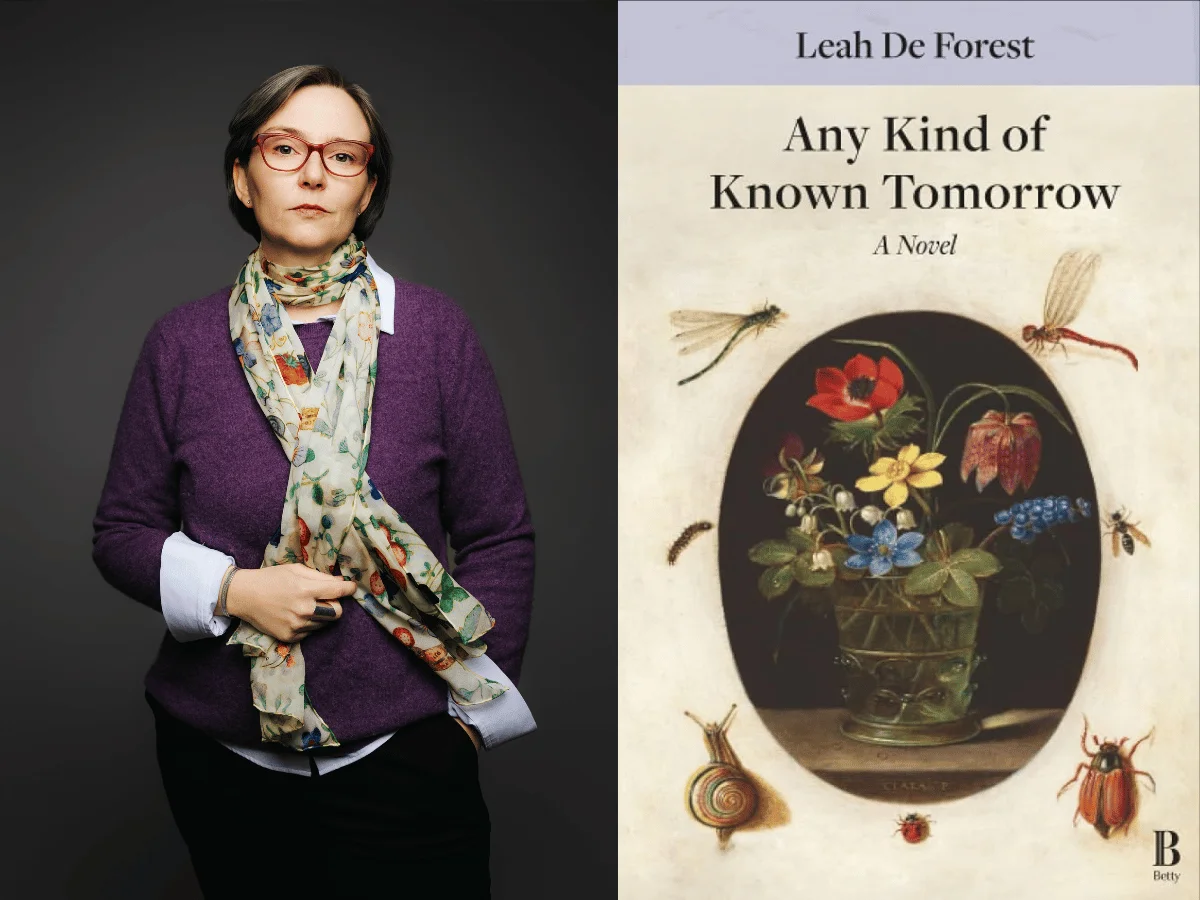
Leah De Forest's debut novel, Any Kind of Known Tomorrow, set for release on September 15, immerses readers in the surreal early days of the COVID-19 pandemic. Through the lives of four women in a New York City apartment, De Forest examines themes of isolation, anxiety, and the varied responses to an unprecedented crisis.
Drawing from experiences that many faced, the novel's protagonists—a mother, daughter, grandmother, and an unexpected houseguest—navigate the challenges of confinement and the emotional rollercoaster that characterized those initial lockdown weeks. The book joins a growing genre of pandemic literature that seeks to dissect and reflect on that moment in time, reminiscent of works like Ben Lerner’s Transcription, Ann Patchett’s Tom Lake, and Gary Shteyngart’s Our Country Friends.
Inspiration Behind the Narrative
De Forest’s writing journey began long before the pandemic struck. Initially drafted in 2018, her novel's premise revolved around displacement and a character grappling with an emerging disease. However, the 2020 global crisis prompted her to pivot the narrative to more accurately reflect the chaos and challenges of that period. "Everything felt unstable at that time," De Forest recalls, highlighting the myriad ways people coped—ranging from denial to anxiety.
Reader Engagement with Pandemic Themes
Concerns about readership engagement with pandemic-themed narratives are common among writers. De Forest acknowledges this uncertainty while emphasizing that storytelling often reflects the world as it is lived. "Later on, you might start thinking about the marketplace…but this is what was in front of me," she notes, emphasizing her focus on capturing the lived reality of the moment.
She sees fiction as a vehicle for processing complex emotions and experiences, reflecting that as people become ready to revisit the pandemic, they will instinctively seek out narratives that resonate with their own experiences of that time.
COVID-19 Literature's Growing Subgenre
The emergence of COVID-19 literature seems to encapsulate a unique shared experience that marked a departure from normalcy. De Forest remarks, "We entered this strange time together, and then, at some point, we came out of it," recognizing the different timelines and experiences people had during and after the lockdown.
Books like Ann Patchett’s Tom Lake have notably explored themes of familial isolation and retreat, offering insight into the emotional landscapes shaped by the pandemic. Additionally, De Forest's narrative weaves together multiple perspectives, showcasing how individuals responded to the sudden shift in reality.
Diverse Representations in Character Dynamics
In her novel, De Forest presents the Parris family—three generations of women interacting and responding to the pandemic in distinct ways. Hadley, the mother, operates under a veneer of optimism, aghast that a crisis could unfold like this. Her mother, Aileen, becomes consumed by the flood of news, oscillating between fascination and fear. The tension between these conflicting viewpoints creates a compelling dynamic that many readers may relate to.
The addition of Anna, a teenager seeking to balance her job with the heightened risks of the pandemic, injects further complexity into the familial interactions. Aileen's perception of Anna's necessity to work as a selfish risk presents intergenerational differences, particularly regarding the realities of economic pressures during a health crisis.
Expanding Introspection Through Multiple Perspectives
De Forest employs an omniscient narrator to explore not only the lives of the Parris family but also the broader societal landscape that impacts them. By delving into the experiences of various characters—such as a nurse or a fellow transit passenger—the narrative emphasizes the interconnectedness of individual stories amidst a collective crisis.
She describes this choice as essential for capturing the multifaceted nature of the pandemic: “With every beat of the heart, every moment we’re alive, there’s so much going on.” This narrative style offers readers a broader understanding of the societal impact and varying responses to the pandemic beyond the confines of the apartment.
Finding Meaning in Uncertainty
At its core, Any Kind of Known Tomorrow grapples with the discomfort of uncertainty—an omnipresent theme throughout the pandemic. Through her characters’ reflections, De Forest aims to resonate with readers who confront ambiguity in their own lives. "The books I love the most show me something that I recognize in the world," she shares, expressing a hope that her narrative might evoke similar reflections on life's complexities.
In a time marked by unpredictability, De Forest's exploration of familial bonds, generational tensions, and personal fears captures the essence of the pandemic experience, making her debut not just a reflection of a moment but also a study in resilience and connection.



Discussion
Sign in to join the discussion.