US poison centers reported 3,434 kratom exposures in 2025, up 1,200% from 2015, while investigations examine links to several deaths.
Kratom’s growing visibility
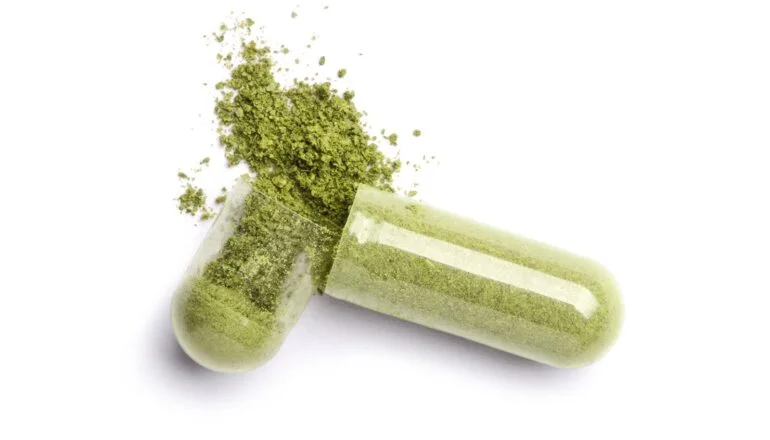
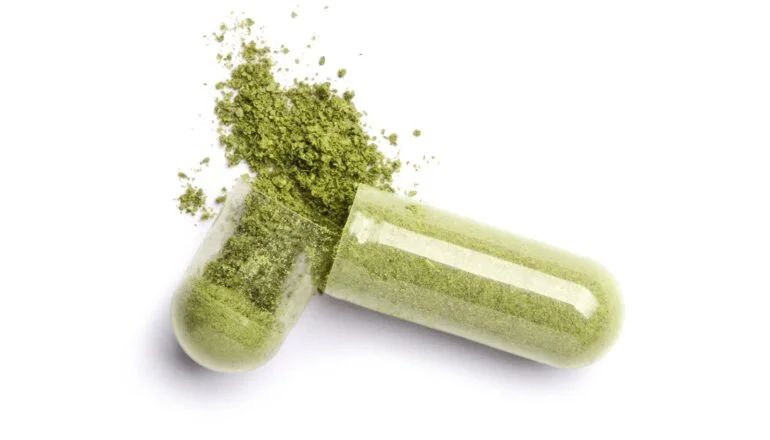
Kratom, a potent product with opioid-like effects, is sold at gas stations, convenience stores and smoke shops across the US. That availability puts it in ordinary retail settings, where a customer may encounter it alongside familiar consumer goods rather than through a medical professional. The setting can make the product seem routine, even though its effects and risks deserve careful attention. It’s a mismatch between casual access and serious questions about safety.
Kratom refers to products made from a plant, but products sold under that name aren’t necessarily identical in strength or composition. Processing, concentration and added ingredients can affect what a person is actually taking. The source describes a largely unregulated market, which makes it harder for consumers to judge those differences from packaging or a retail display. A label can tell a buyer what a product claims to contain; it may not resolve what’s in the product or how potent it is.
What the exposure reports show
Poison centers recorded 3,434 kratom exposure cases nationwide in 2025, a 1,200% increase from 2015. That rise is a signal that more cases are reaching poison center records, but it doesn’t by itself explain why the count increased. Greater use, changes in reporting, or a combination of factors could affect the number. The figures also don’t establish that every reported exposure led to severe harm.
Still, the scale of the increase warrants attention. Poison center reports can help identify patterns that might otherwise be difficult to see across a scattered retail market. They don’t provide a complete measure of how many people use kratom, nor do they settle questions about the risk to any one user. Here’s the thing: a rising count is a reason to investigate, not a shortcut to a conclusion about cause or severity.
Investigators found kratom products while examining the September deaths of two Mississippi students, but authorities haven’t confirmed a connection. That distinction matters: finding a product during an investigation doesn’t establish that it caused or contributed to a death. The unresolved question is part of the story, but it can’t be treated as an answer. The facts described so far leave the relationship unconfirmed.
In Utah, health officials linked four deaths earlier this year to potent kratom-derived compounds in mislabeled products. That account raises a different concern from the Mississippi investigation: the contents and labeling of a product can shape the risk a person faces. When a product is mislabeled, consumers may have less ability to understand what they’re taking or to compare it with other products. And yet, the Utah cases don’t establish that all kratom products have the same composition or carry the same risk.
Why product consistency matters
For products with psychoactive effects, consistency is more than a matter of consumer preference. A person’s experience can depend on what’s in a product and how concentrated its active compounds are. If the label doesn’t accurately describe those contents, it becomes harder to connect a reaction to a specific exposure and harder for users to make informed choices. That uncertainty can also complicate efforts to identify common factors across reported cases.
This is more significant than it looks. A product category can include preparations that differ in strength, while the same broad name appears on the shelf. For consumers, that can obscure meaningful differences; for health officials, it can make case reports harder to interpret. (And this is the part most people overlook.) A safety concern may involve not just the substance itself, but also whether people can tell what they’re buying.
None of that means the available reports prove that every product is dangerous, or that every reported exposure has the same explanation. It means the evidence needs to be read with care. A death investigation, an exposure report and a finding about mislabeled compounds each answer different questions. The distinction matters when public discussion risks compressing separate findings into one sweeping claim.
Oversight and unanswered questions
The source describes kratom as largely unregulated and says its use has sharpened questions about safety and oversight. Regulation can address different parts of a product’s path to consumers, including how products are described and whether their contents are consistent. The source doesn’t specify which federal or state rules apply in each place, or what changes are under consideration. Those details matter, because “regulation” can refer to a range of approaches rather than one single policy.
Johns Hopkins Bloomberg School of Public Health professor Caleb Alexander, who codirects the university’s Center for Drug Safety and Effectiveness, discusses what kratom is, its potential risks and the status of federal and state regulation. His faculty profile outlines his work in epidemiology and medicine. That expertise is relevant to a subject where reports of exposure, questions about product contents and unresolved investigations need to be considered together without being mistaken for interchangeable evidence.
If you’re working in this space, the immediate challenge is separating what’s known from what remains under investigation. Poison center records show a sharp reported increase; Utah officials linked deaths to potent compounds in mislabeled products; and authorities haven’t confirmed a connection between kratom and the Mississippi students’ deaths. Each point adds context, but none answers every question about the products being sold or the full range of risks.
For consumers, the practical uncertainty is plain. Products sold under one name may not give buyers a clear basis for judging their contents or strength, while public evidence about specific incidents remains incomplete. A familiar retail setting doesn’t settle those questions. A label, either.
What comes next
The reported exposure increase and unresolved investigations leave product safety and oversight as central questions. More clarity would depend on understanding what products contain, how consistently they’re labeled and how exposure reports relate to actual use and outcomes. The source doesn’t provide answers to those questions, and the cases it describes shouldn’t be stretched beyond what authorities have said. That said, the combination of rising reports and concerns about mislabeled products gives public health officials a clear reason to keep examining the issue.
The broader lesson is about evidence as much as kratom. When a product is widely available but its contents and effects raise questions, consumers and officials need reliable information to assess risk. For now, the reported cases point to concerns that merit attention while leaving important details unsettled. That’s a cautious conclusion, but it’s the one the available information supports.
The post What are the risks of using kratom? appeared first on Futurity.



Discussion
Sign in to join the discussion.