Diraq advances to the final phase of DARPA's Quantum Benchmarking Initiative, receiving substantial funding to validate its quantum computing approach.
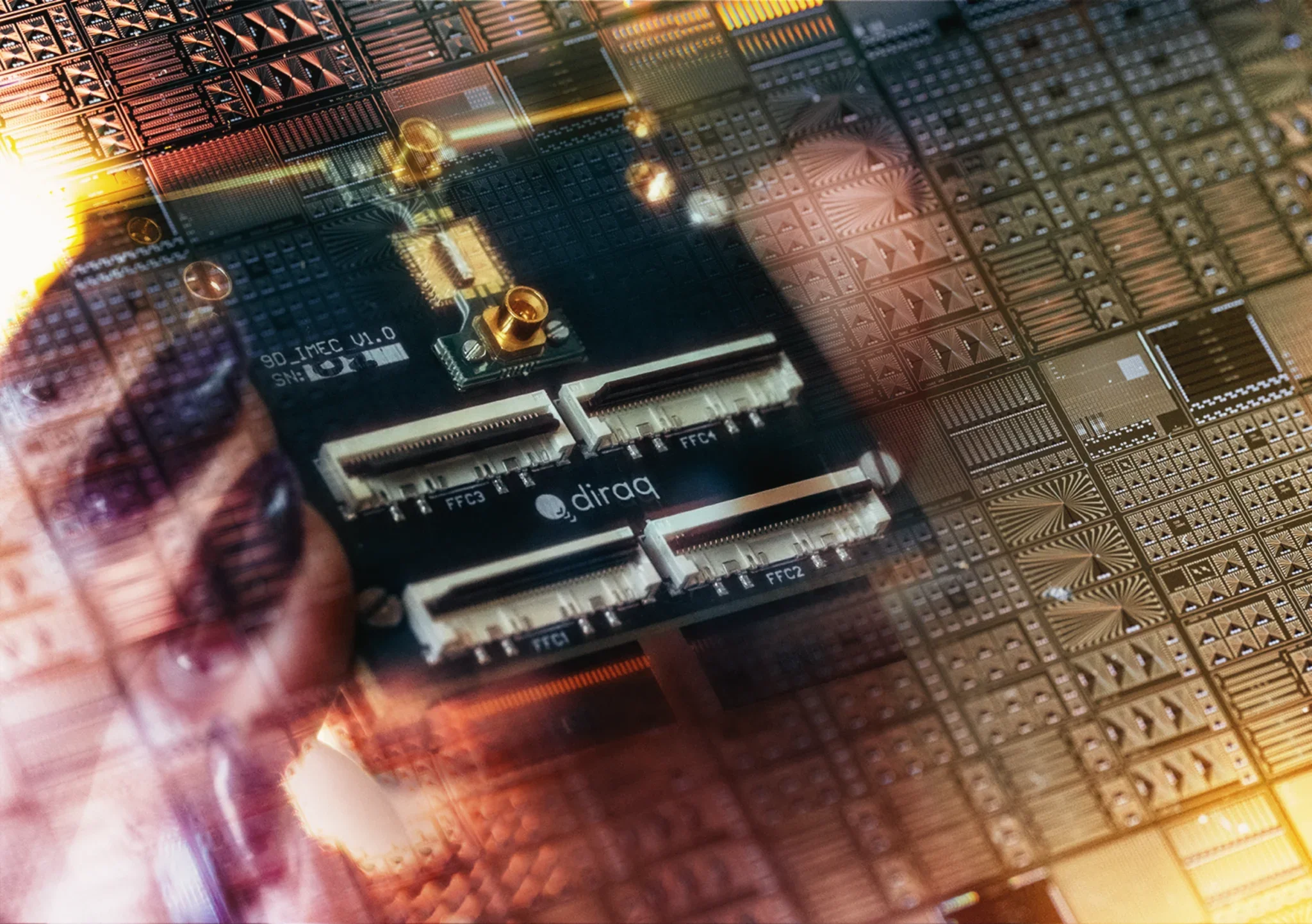
Diraq is set to receive up to $300 million from the U.S. Defense Advanced Research Projects Agency (DARPA) to further its work in the Quantum Benchmarking Initiative. This funding marks a pivotal moment for the company as it seeks independent verification of its plans to develop a utility-scale, fault-tolerant quantum computer by 2033.
“Advancing to Stage C of the QBI program represents a critical independent validation that our path to utility-scale quantum computing holds up under rigorous technical scrutiny,” stated Andrew Dzurak, founder and CEO of Diraq. The company’s silicon spin qubits utilize prevalent manufacturing processes, which allow for a targeted scale-up to more than 2 million qubits by 2031. The implications of this advancement could reshape industries that are beginning to scratch the surface of quantum technology.
Independent Validation Marks Progress in Quantum Computing
As Diraq enters Stage C of DARPA’s Quantum Benchmarking Initiative, the focus is on validating the performance and manufacturability of its silicon-based systems. This stage is critical for establishing economic viability, going beyond theoretical discussions and laying the groundwork for actual performance metrics. Initial funding of $51 million will support development aimed at showcasing Diraq's capability within the next year. If you’re working in this space, bear in mind that these validations may set the standard for what future quantum systems will need to achieve to be viable competitors in a burgeoning market.
Diraq’s distinctive strategy revolves around leveraging existing semiconductor manufacturing infrastructure, effectively addressing a monumental hurdle in the scalability of quantum processors. According to Dzurak, “That gives Diraq a decisive advantage: we are scaling on a manufacturing base that already exists, while others are still working out how to build one.” The compatibility with standard 300mm CMOS processes has allowed Diraq to demonstrate high-fidelity operations, including a successful eight-qubit array. (And this is the part most people overlook: using existing technology cuts down on the learning curve and accelerates development timelines.)
The company's goals are ambitious, targeting an exhilarating increase in qubit quantity: from 150,000 by 2029 to over 2 million by 2031. This accelerated timeline is bolstered by the compatibility of silicon spin qubits with existing foundries, positioning Diraq to potentially achieve utility-scale computing a full two years ahead of DARPA’s timeline. Skeptics may argue that speed without rigorous verification is a recipe for failure, but Diraq seems to be banking on its established processes to overshadow that concern.
Diraq aims for more than 2 million physical qubits integrated on a single chip, marking a significant advancement in quantum computing technology. The validation in Stage C scrutinizes both cost and manufacturability, which McGregor from DARPA emphasizes as vital: “DARPA is examining whether the cost and manufacturability hold up, which is exactly the test the industry should be applying.” This analogy to semiconductor evolution isn’t just hyperbole; the future of quantum computing may well reflect similar competitive dynamics based on manufacturing prowess. The economics of production will likely reveal which players can sustain themselves in this niche market.
Strategic Expansion and Future Plans
In line with its ambitious objectives, Diraq has expanded its presence across the U.S., establishing headquarters in Palo Alto and adding facilities in Chicago, Albuquerque, as well as a technology hub in Los Angeles. This growth is backed by a Letter of Intent granting $38 million from the U.S. Department of Commerce under the CHIPS and Science Act, promoting domestic production of fault-tolerant silicon quantum computers. The overarching strategy here involves not just making strides in technology but fostering an entire ecosystem that supports it.
By the end of 2026, Diraq plans to launch the world’s first silicon spin quantum computer for operation in a shared commercial data center, hosted by Equinix in Sydney, Australia. As Stage B focused on outlining its R&D strategy for utility scale, this next stage shifts gears into real-world applications—making those theoretical advancements tangible. A successful rollout here could redefine what a quantum computer can do in an operational context.
Implications for the Future of Quantum Computing
The significance of Diraq’s progress extends beyond its internal goals; it touches on the collective advancement of quantum computing as a field. The validation processes experienced in Stage C may establish a benchmark that other players will have to meet, impacting the entire industry’s trajectory. Companies aiming for competitive parity will likely need to align their strategies to this emerging framework. This shift could lead to multiple developments in associated fields, from cybersecurity to optimization algorithms, all of which stand to be revolutionized by more accessible quantum solutions.
What this means for you, if you’re involved in any tech sector requiring complex computation, is that the competitive landscape could change rapidly. Companies with access to utility-scale quantum computers may unlock capabilities previously thought unattainable. This is more significant than it looks—not just for Diraq, but for everyone invested in technology’s next frontier.
Advancing to Stage C of the QBI program represents a crucial independent validation that our path to utility-scale quantum computing holds up under rigorous technical scrutiny.
Andrew Dzurak, Diraq Founder and CEO
Source: Diraq Newsdesk



Discussion
Sign in to join the discussion.