IBM advances to Stage C of DARPA’s initiative, targeting a 2029 delivery of a fault-tolerant quantum computer, ahead of the 2033 goal.
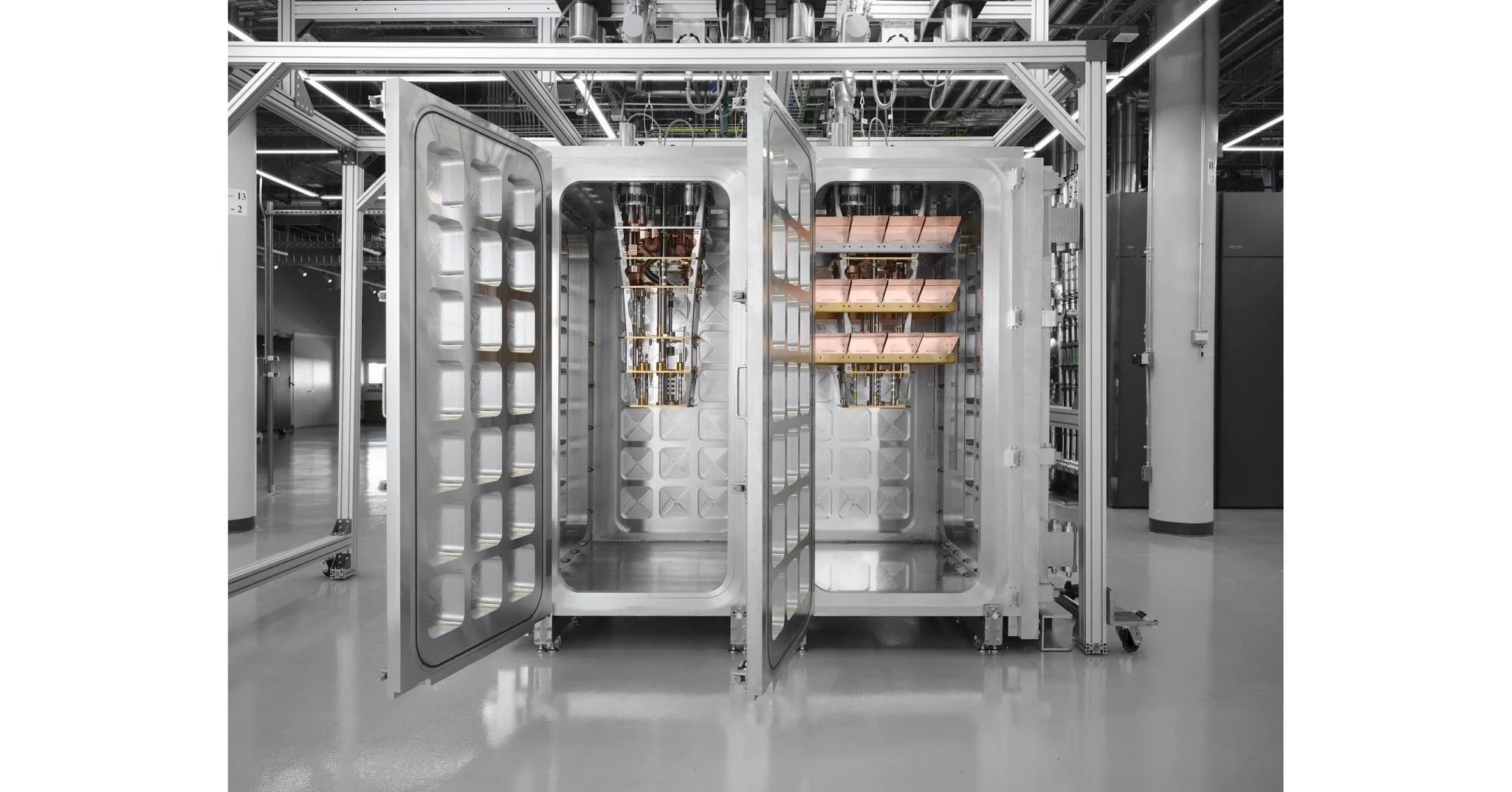
IBM has officially progressed to Stage C of the Defense Advanced Research Projects Agency’s (DARPA) Quantum Benchmarking Initiative. This advancement marks a transition from theoretical planning to practical validation of its fault-tolerant quantum computing proposals. The third stage will see an in-depth evaluation by independent experts who will test IBM’s hardware, technology, systems engineering, and architectural designs.
Understanding the Quantum Benchmarking Initiative
The DARPA Quantum Benchmarking Initiative (QBI) is designed to foster advancements in quantum computing technologies that may have significant implications for a variety of fields, from cryptography to complex simulations. Traditional computing faces substantial challenges with certain calculations, particularly those involving massive datasets or intricate algorithms. Quantum computers, with their potential to handle these issues, are seen as a potential transformative force. IBM's recent transition to Stage C within this initiative reflects not just its technological prowess but also the growing importance of ensuring that these systems are fault-tolerant, a requirement for practical deployment.
Stage C involves rigorous assessments conducted by independent experts who will determine whether IBM's current hardware and systems align with the ambitious standards set by DARPA. Such validation is essential. It provides an objective check on the company's claims and ensures that the technology is not just theoretically sound but practically viable for real-world applications. This process will likely emphasize the intricate balance between bold ambitions and practical capabilities in the cutting-edge field of quantum computing.
Critical Validation and Next Steps in IBM's Quantum Journey
This rapid advancement—spanning meticulous research and risk mitigation strategies—prepares IBM to undergo rigorous testing overseen by DARPA’s independent teams. Stage C will facilitate a hands-on assessment of IBM’s quantum hardware and infrastructure, assuring that they meet the ambitious goals set forth by the program. IBM's claims about developing a fault-tolerant quantum computer hinge on successfully passing these rigorous evaluations.
The selection for Stage C reflects DARPA’s confidence in IBM’s progress toward a practical, fault-tolerant quantum computer. This machine is expected to deliver computational capabilities that significantly exceed its operational costs. More importantly, the timing of IBM’s goal is particularly critical as it aims to precede DARPA's ambitious target of achieving industrially applicable fault tolerance by 2033. This is more significant than it looks. Many other companies in the quantum space are still grappling with fundamental issues in coherence and error rates. IBM, meanwhile, is aiming to emerge as a leader.
IBM's journey through the Quantum Benchmarking Initiative began with Stage A, where the company was tasked with proposing a technically viable approach for a fault-tolerant quantum computer. Stage B followed, requiring a detailed plan outlining the research and development (R&D) necessary to realize this vision, along with an identification of risks and mitigation strategies. In the current Stage C, DARPA’s independent verification and validation (IV&V) team will scrutinize the actual capabilities of IBM's hardware. Each stage of this initiative spotlights the intricate hurdles facing quantum computing, but it also outlines how serious entities like IBM are responding to these challenges.
Collaborative Efforts and Future Directions
In addition to focusing on the QBI, IBM is keen on fostering collaborations with partners across industry, government, and academic sectors to expedite the evolution of fault-tolerant quantum computing. IBM commands the largest fleet of quantum computers in the world and actively supports the Qiskit software platform. This platform is utilized by over 340 organizations spanning various sectors, including finance, healthcare, and academia.
Such collaborations are vital as these organizations employ IBM's quantum technologies for scientific inquiry, industrial applications, and algorithm development—illustrating the ongoing exploration of fault-tolerant quantum computing’s practical potential, according to IBM. The firm’s roadmap for releasing the first fault-tolerant quantum computer, IBM Quantum Starling, emphasizes combining advances in error correction, processor design, and systems engineering, along with established hardware components already validated through effective error correction decoding. This integration of various elements showcases IBM's commitment to a holistic approach to quantum computing.
In Gambetta's words, “We look forward to working with DARPA’s team of experts as they advance their review of approaches to fault-tolerant quantum computing into the testing phase.” But here's the thing: even as IBM pushes ahead, the underlying assumptions about technology readiness and market comparison loom large. Can IBM maintain its momentum, or will unforeseen technical challenges slow its progress?
IBM expects to deliver the first fault-tolerant system in 2029, and we plan to scale the value of quantum computing well beyond that timeline.
The Future of Quantum Computing and Its Implications
So, what does this mean for you? If you're working in this space, the implications are profound. The development of a fault-tolerant quantum computer will potentially revolutionize industries dependent on complex calculations and data analysis. The energy sector could benefit from quantum simulations that enhance efficiency in power distribution, while pharmaceuticals might experience breakthroughs in drug discovery processes accelerated by quantum-enhanced computing. You can see this isn't just a theoretical exercise; it’s a pathway to tangible applications that could redefine operational capabilities across sectors.
However, while IBM sets ambitious targets, history suggests that the path to practical quantum computing may be fraught with challenges. Not only must IBM navigate technical complexities, but it must also address the competitiveness of its technology against other emerging quantum systems. These dynamics will be pivotal as the field matures. The next few years will be critical in determining whether IBM solidifies its standing as a leader or contends with obstacles that slow its journey toward realizing a fault-tolerant quantum future.



Discussion
Sign in to join the discussion.