Recent research reveals targeted brain stimulation techniques could enhance treatment for anxiety and depression, paving the way for personalized psychiatric care.
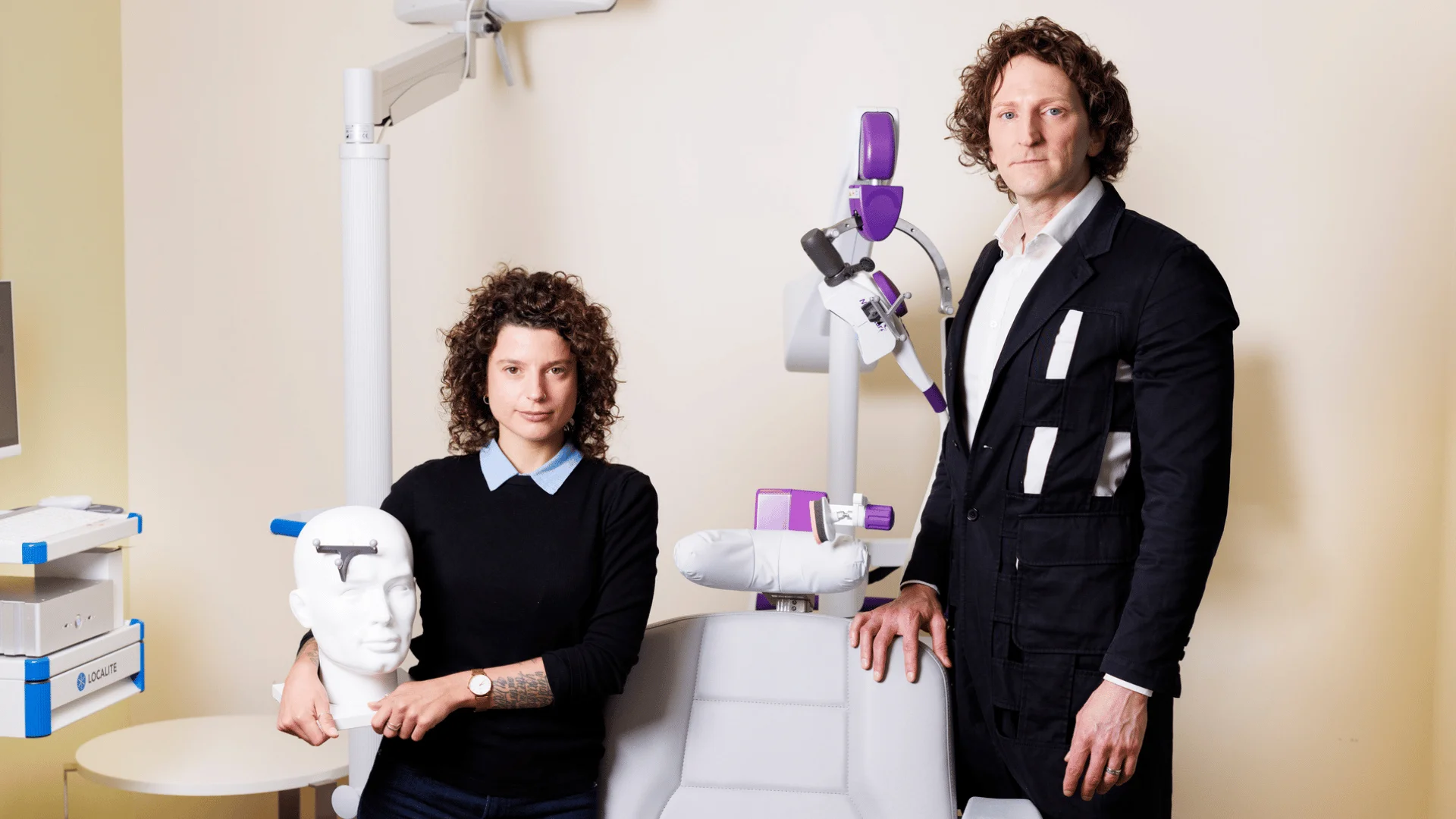
Anxiety Treatment Gains Traction Through Targeted Brain Stimulation
For years, transcranial magnetic stimulation (TMS) has served as a reliable option for treating depression, utilizing noninvasive magnetic pulses to activate neurons. New research, however, is refining this method, enabling clinicians to tailor treatment to specific symptoms, particularly for patients grappling with both anxiety and depression.
A study published in Nature Molecular Psychiatry explored the stimulation of two distinct brain circuits among individuals with moderate to severe symptoms of anxiety and depression. The conventional TMS target showed marked reductions in depressive symptoms, while the experimental circuit brought about notable improvements in anxiety, potentially making it a more effective target for patients suffering from both disorders. Notably, this research marked the first time that specific anxiety symptoms were selectively alleviated with targeted TMS.
“This is important for the field because comorbidity is often the rule rather than the exception: Up to half of those with one psychiatric disorder may also meet the criteria for another,” remarked Joseph Taylor, the lead author and assistant professor at Brigham and Women’s Hospital. “Our trial aimed to demonstrate a step toward precision medicine by targeting different symptom clusters with distinct brain circuits.”
Examining the Efficacy of Circuit-Specific Stimulation
While TMS has established itself as an effective treatment for major depressive disorder—often when other therapies falter—the method's application has historically lacked precision. Clinicians have generally relied on surface measurements of a patient’s scalp to locate brain areas for stimulation, which inadvertently leads to variability in the targeted regions.
Earlier studies by BWH psychiatrists investigated this variability, correlating different brain regions with specific symptom changes. They noted that patients receiving stimulation at the dorsolateral prefrontal cortex exhibited greater relief from depressive symptoms, including feelings of sadness and a loss of interest. In contrast, those whose stimulation was directed at the dorsomedial prefrontal cortex, a less conventional TMS target, reported improvements in symptoms like irritability and insomnia.
“The identification of these circuits was driven by data, rather than pre-conceived notions of existing functional areas in the brain,” explained Samantha Baldi, a postdoctoral fellow at Harvard Medical School who contributed to the recent study's findings.
“Essentially, we found evidence that targeting different circuits may influence different symptoms, but we did not find evidence that larger changes in circuit connectivity led to larger symptom improvements.”
Samantha Baldi
The study underscored that these dual circuits could be intentionally activated to yield specific symptom relief. However, researchers advise caution regarding the findings due to the small participant pool.
In the trial, 36 patients who met FDA criteria for TMS treatment and experienced significant anxiety were randomized. Some received the standard stimulation, while others were targeted using the novel methodology over a series of 30 treatments. The outcome confirmed the initial hypothesis: there were significant variations in treatment efficacy between the groups regarding depression and anxiety symptoms.
Future Directions in Psychiatric Treatment
The results point to a hopeful trajectory for integrating brain imaging techniques into clinical practices, potentially heralding a new era of customized mental health treatment. Nonetheless, fundamental questions linger. Chief among them: Why exactly does this approach work?
“The observed clinical symptoms varied based on which circuit was stimulated, but the extent of symptom improvement didn’t clearly correlate with the modifications in the targeted brain circuit,” Baldi noted. It challenges current understanding, suggesting a complex relationship between circuit activity and symptom relief.
Taylor acknowledged this complexity, stating, “We have limited tools to comprehend how our treatments function, but we’re gradually mastering the efficacy of tools like functional magnetic resonance imaging in planning treatments.”
With this research, there’s an evolving recognition of brain stimulation as a vital component in psychiatric medicine, inviting an array of possibilities for future investigations and enhancements in treatment methodologies.



Discussion
Sign in to join the discussion.