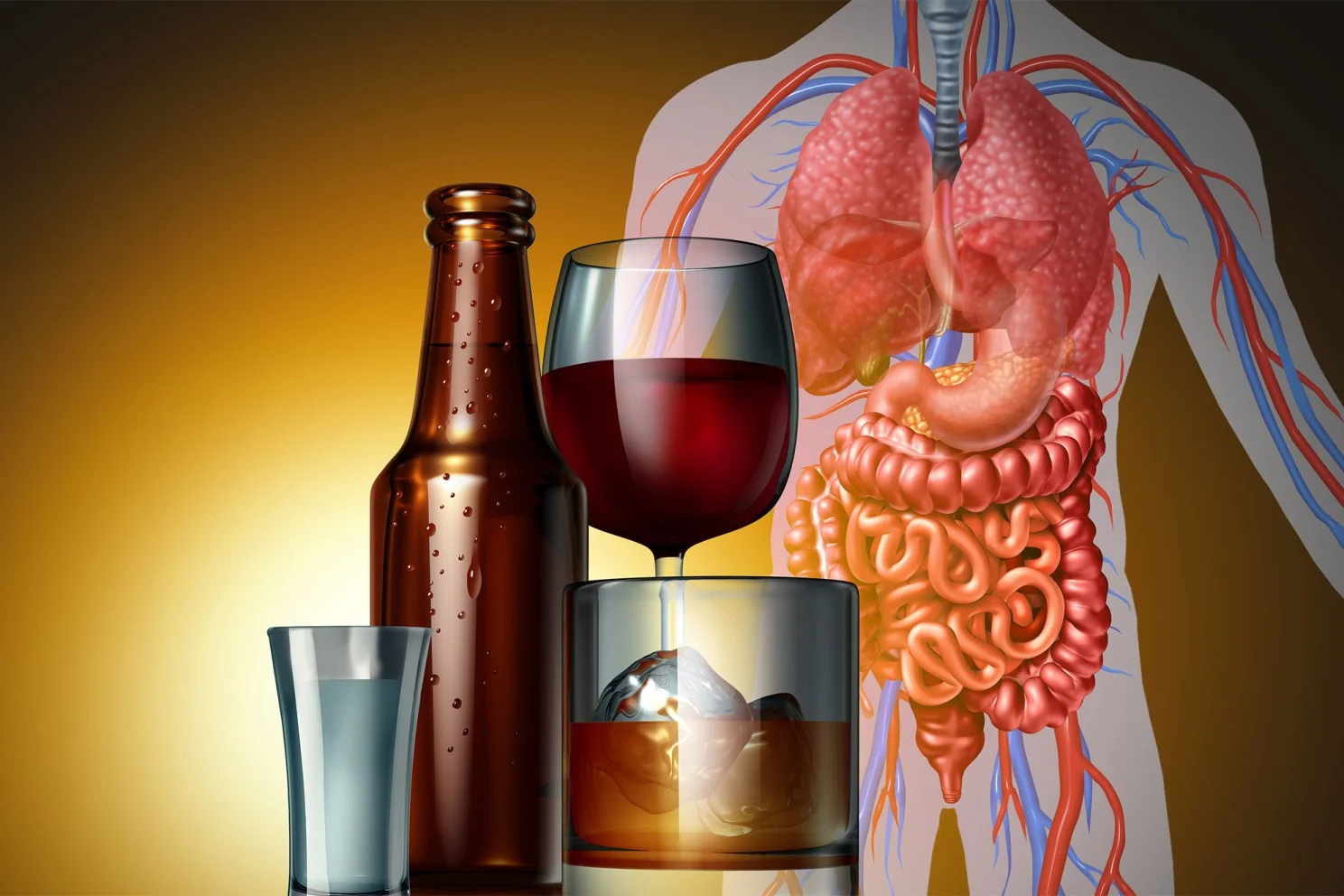
A recent study reveals the complex relationship between alcohol consumption and health, highlighting risks of various diseases while acknowledging potential benefits.
The Complexity of Alcohol and Health
Recent research on alcohol consumption paints a nuanced picture, challenging the longstanding dichotomy on its benefits and risks. While some studies have suggested that moderate drinking, particularly a daily glass of red wine, could be beneficial, others have pointed to severe consequences, indicating that no amount of alcohol is truly safe. A new comprehensive review suggests that more than 60 diseases are fully attributable to alcohol consumption according to the World Health Organization’s classifications. This is more significant than it looks. It also finds that cutting back or quitting can mitigate some of the health issues associated with drinking, underscoring the importance of understanding individual risk factors and the wider implications of alcohol consumption on public health.
Study Details and Objectives
Sinclair Carr, a doctoral candidate at Harvard's T.H. Chan School of Public Health, led this study in collaboration with Jürgen Rehm from the Centre for Addiction and Mental Health. The objective was to clarify inconsistencies in existing research that have left health professionals and the public grappling with conflicting narratives about alcohol. By examining both the average levels of drinking and patterns of consumption, the researchers aimed to reconcile traditional epidemiological methods with modern approaches like Mendelian randomization. This technique leverages genetic data to infer causal relationships, providing a more precise understanding of how alcohol consumption affects health.
Identifying Bias in Alcohol Research
One significant takeaway from Carr’s team is the necessity of scrutinizing assumptions in alcohol research. The belief that moderate drinking could confer health benefits may often be skewed by other factors, such as socioeconomic status or diet. Studies that don't control for these variables frequently lead to inaccurate conclusions. Carr explains that observational studies frequently fail to account for these potential biases, highlighting the need for a clearer view of how drinking habits correlate with health outcomes. This is a point many researchers have made, yet it continues to be overlooked in broader discussions about alcohol and health.
On Cancer and Alcohol: The Risks
The findings from this review bring to light an alarming fact: there’s no safe level of alcohol when it comes to cancer. Any consumption increases the risk of several cancer types. Jürgen Rehm emphasizes that even small amounts, like one glass of wine every other day, could enhance the risk of breast cancer. This poses a striking dilemma—these small quantities are often touted for their potential heart-health benefits, yet they may contribute to an elevated cancer risk. This duality makes it difficult to define universally safe drinking guidelines, and the balance between potential protective effects and significant health risks complicates the public health message.
Health Reversibility and Alcohol Consumption
Another crucial insight from the study is that some health damage incurred by alcohol may be reversible, depending on the disease and consumption levels. Carr notes that while certain chronic conditions may lead to irreversible damage, such as with the liver, reducing or stopping alcohol intake can slow the progression of many diseases and even reverse some acute effects. High blood pressure and brain shrinkage can improve significantly. This revelation provides a glimmer of hope for individuals seeking to make changes in their drinking behavior—offering a path to better health, even for those who have been heavy drinkers in the past. It emphasizes the potential for recovery, which is often sidelined in discussions about addiction.
Future Research Directions
The researchers acknowledge significant gaps in the current literature on alcohol and health. Carr advocates for more randomized trials, which represent the gold standard in medical research, though ethical considerations hinder many aspects of alcohol-related studies. Ethical challenges in conducting research on alcohol consumption can't be underestimated. Nevertheless, they propose that innovative observational methods could be developed to address these issues effectively. This could involve longitudinal studies that follow individuals over time to capture detailed patterns of use and health outcomes. Enhanced research methodologies will be pivotal in providing a clearer understanding of the health impacts of alcohol.
Empowering Informed Choices
Ultimately, Carr and Rehm hope to arm individuals with detailed information enabling them to make informed decisions regarding alcohol consumption. Many people remain unaware of the potential risks, particularly concerning various cancers associated with alcohol. If you're working in this space, you'll recognize the importance of communication in public health initiatives. With evidence suggesting that even long-term drinkers can benefit from reducing their intake, the emphasis is on providing accurate data rather than dictating personal choices. This approach encourages personal responsibility rather than fostering stigma against those who consume alcohol.
A Call for Comprehensive Understanding
As researchers continue to decode the complex relationship between alcohol and health, the study's findings stress the importance of transparency in public health messaging. While a clear understanding of the health implications of drinking is crucial, many questions remain unanswered, necessitating improved research methodologies and a deeper commitment to understanding the myriad effects of alcohol on health. This is where public health professionals play a critical role—they must distill complex research findings into actionable insights. The effects of alcohol consumption extend beyond individual health, influencing societal norms, healthcare costs, and community well-being.
Implications and Future Outlook
The implications of this research extend far beyond individual health, hinting at potential shifts in public health policy and alcohol regulation. As awareness of the associated risks grows, we can expect a reevaluation of drinking guidelines and a push for more comprehensive public health campaigns that inform rather than prescribe. The challenge lies in navigating the tension between cultural practices surrounding alcohol and the scientific evidence surrounding its risks. As more studies emerge, the public discourse will likely become more informed, potentially leading to a significant rethinking of alcohol consumption in society. How this will unfold remains uncertain, but the groundwork is being laid today.



Discussion
Sign in to join the discussion.