Pulitzer Prize winner Colson Whitehead discusses "Cool Machine," the concluding book of his Harlem trilogy, exploring themes of identity and morality.
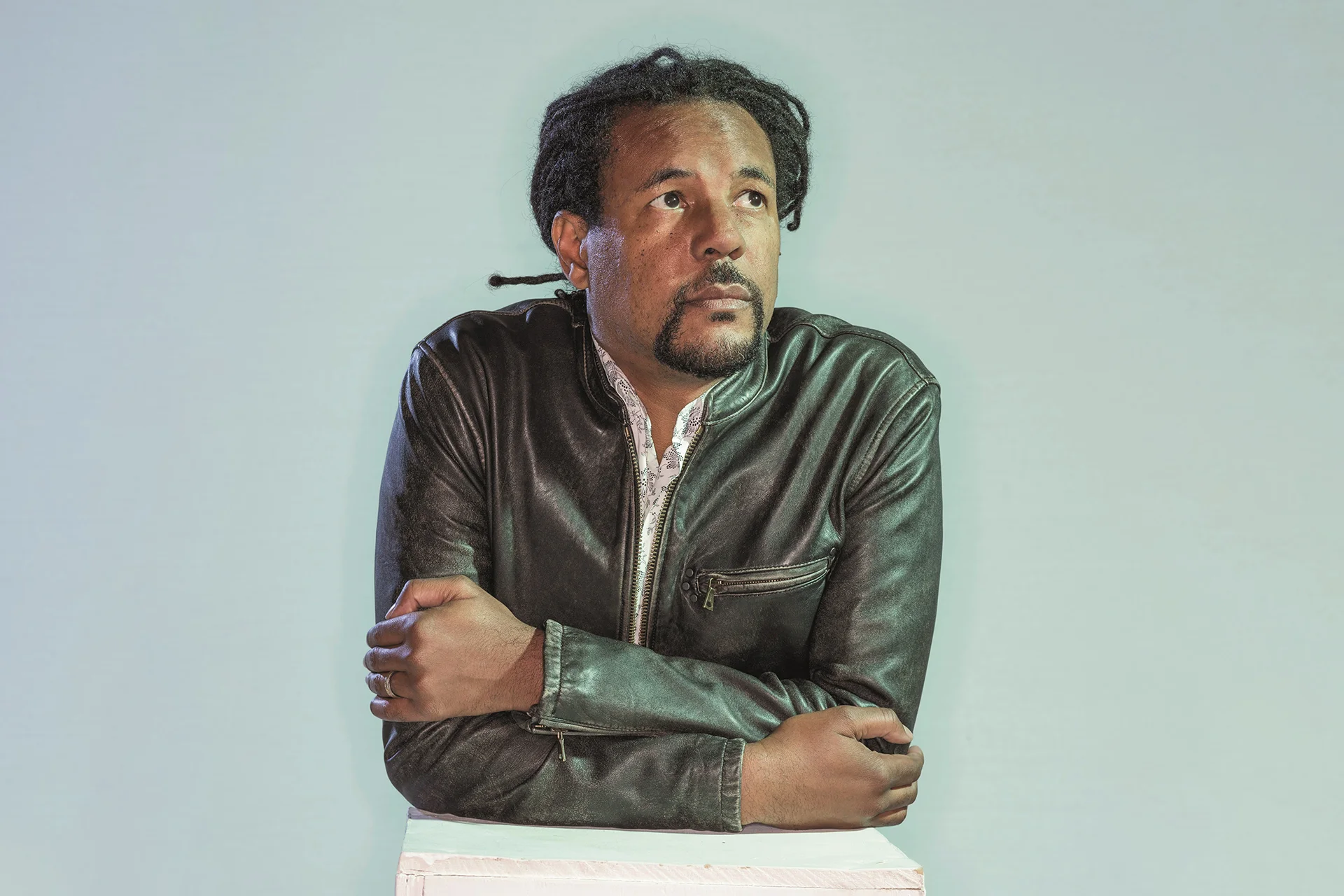
Colson Whitehead's New Novel and the Harlem Trilogy
Colson Whitehead, renowned for winning two Pulitzer Prizes for Fiction with his previous works, is back with "Cool Machine." This novel marks the conclusion of his evocative Harlem trilogy, which delves into the intricacies of a furniture salesman who is entangled in the criminal underbelly of the city.
Capturing Harlem's Evolution
Set against the backdrop of Harlem from the 1950s to the 1980s, "Cool Machine" examines the life of Ray Carney as he navigates family obligations alongside the demands of the criminal world. Whitehead reflects on the process of building this vibrant community, emphasizing how the trilogy isn't just a linear narrative, but rather a collection of interconnected stories that combine to create a comprehensive portrait of the era and its inhabitants.
Whitehead explains that crafting such a rich setting required extensive research and location scouting throughout Harlem. He sought out authentic sites that could serve as distinct environments for Carney’s escapades—a mix of real history and dynamic storytelling that shapes the novel's depth.
Character Development and the Art of Perspective
Writing from multiple vantage points within the trilogy allowed Whitehead to fully flesh out his characters. He notes the use of first-person narratives and memoirs as a significant resource for developing authentic voices. The character of Ray Carney, in particular, serves as a fascinating study of duality; he embodies the conflicting desires of wanting a respectable front while secretly indulging in morally questionable activities.
This theme of identity extends to Whitehead's larger narrative strategy. Each character's journey reflects the complexity of human nature, illustrating how one's actions often oscillate between good and bad—a concept Whitehead finds deeply relatable.
The Challenge of a Trilogy
Whitehead contrasts writing the Harlem trilogy with standalone novels by highlighting the greater depth of narrative and character evolution that comes with long-form storytelling. He emphasizes the importance of maintaining freshness throughout the trilogy, ensuring that each heist, character, and encounter feels unique and engaging, despite the lengthy span of over 900 pages.
He acknowledges the planning required for this meticulous storytelling, revealing how he constructed character arcs that intertwine throughout different narratives, lending depth and continuity to Carney’s journey.
The Dual Nature of Ray Carney
The creator of Ray Carney grapples with the figure’s moral complexity—someone who seeks a legitimate life while being drawn toward crime. Whitehead effectively uses this dichotomy to explore broader societal themes, questioning the façade people often maintain in their daily lives. Carney's struggles resonate throughout the trilogy as he wrestles with these conflicting identities.
Returning Characters and Evolving Stories
Whitehead's ability to cycle through various characters allows for a multifaceted exploration of the human condition. He discusses how some characters, initially minor, become pivotal in later stories, deepening the narrative and meanwhile enriching readers' understanding of Harlem's diverse ecosystem.
Reflections on Growth as a Writer
The Harlem trilogy represents a significant chapter in Whitehead's career, showcasing his evolution as both a writer and a thinker. He observes that his growth manifests in character development, thematic exploration, and narrative technique—a testament to his commitment to refine his craft continually.
Inviting New Readers
For those unfamiliar with Whitehead's body of work, he positions the Harlem trilogy as an approachable entry point. It's an exploration of humor, identity, and the complexities of urban life that invites readers, regardless of their previous engagements with his novels, to enjoy a new side of his storytelling.
Looking Ahead
After pouring considerable effort into the trilogy, Whitehead initially planned a break to refresh creatively. However, the allure of new stories has already drawn him back to his writing desk. He's eager to explore different narratives and characters, demonstrating his ongoing ambition to expand the literary world he creates.
As Whitehead embarks on this next literary endeavor, the legacy of "Cool Machine" and the Harlem trilogy will undoubtedly linger, continuing to provoke thought and discussion around the ever-complex human experience.



Discussion
Sign in to join the discussion.