Tayari Jones’ latest novel, "Kin," examines the bonds of friendship and matrilineal legacies, emphasizing the importance of chosen family.
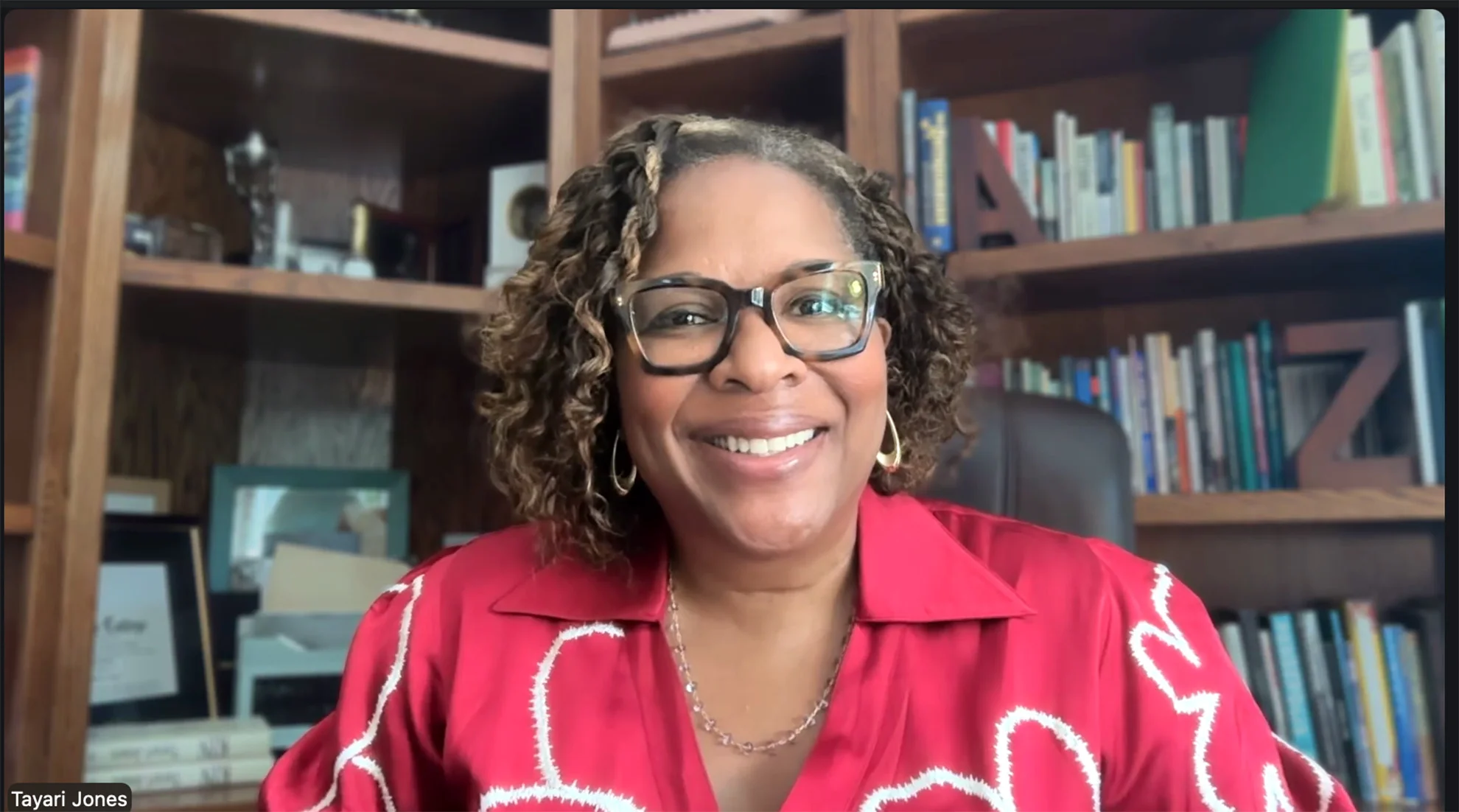
In her compelling new novel Kin, Tayari Jones redefines the concept of kinship, extending beyond traditional family ties to encompass those we choose to surround ourselves with. Published in February, the book delves into the legacies we inherit, particularly through the maternal line, as well as the vital connections we establish through choice.
Reshaping Kinship
Jones’ approach to kinship isn't merely a narrative device; it's a statement about the realities many people face. Family structures have become increasingly fluid. In many cultures, including those of African descent, the idea of chosen family often plays a critical role in the emotional landscape of individuals. It's about identifying who truly supports and uplifts you, regardless of blood ties. By exploring this theme through the lens of her characters, Jones raises questions about loyalty and belonging that resonate deeply in today’s society.
The Characters: Annie and Vernice
The narrative centers on lifelong friends Annie and Vernice, two Black girls navigating life in Jim Crow Louisiana. Their upbringing is marked by profound loss—Vernice faced maternal abandonment and tragedy at a young age, while Annie's mother left in search of a life beyond their small community of Honeysuckle. Jones crafts these backstories to not only illuminate the characters’ motivations but to also comment on broader societal issues, particularly the effects of systemic racism and classism on personal narratives.
Despite their close bond, the pair takes diverging paths before ultimately finding their way back to one another. Their journeys are inspiring yet painful, aimed at exploring how external forces shape friendships. Through Annie's quest to reconnect with her estranged mother and Vernice's pursuit of education and love, Jones presents a stark contrast between the paths society expects individuals to tread and the personal aspirations they dare to pursue.
Friendship vs. Family
Jones asserts that the relationships we form often overshadow biological connections. “So often when we talk about curated family or chosen family, we say that people choose family when their biological family isn’t there—but that almost diminishes the significance of those relationships.” She underscores a provocative notion: chosen family can hold just as much weight—if not more—than biological ties. And yet, our society often fails to recognize the depth of these connections.
As Annie embarks on her quest, Vernice's journey challenges her to confront her identity, as societal struggles ripple throughout her life. This dynamic reflects a common experience where friendships serve as a refuge, providing emotional sustenance amid life's chaos, offering readers a metaphorical mirror in which they can see their own relationships reflected.
The Complexity of Vulnerability
For Vernice, the challenge of a same-sex relationship reveals reluctance to share her truth with Annie, contrasting with Annie's openness about her first love. This tension is a central theme, reflecting how we either embrace vulnerability or hold back from those closest to us. “I think that we know one another to the extent to which we allow ourselves to be known,” Jones asserts. Secrets can create intimacy, yes, but they can also build walls. This paradox forces readers to consider the consequences of their own guardedness in relationships.
The Balance of Humor and Pain
Despite the heart-wrenching experiences depicted, Jones infuses the narrative with humor, highlighting the multifaceted nature of life. “There is this expectation that the gravitas of Black life necessarily involves unrelenting misery,” she remarks, countering that moments of joy and laughter also characterize their experiences. This nuanced portrayal challenges stereotypes and encourages a broader understanding of Black life, which is often reductively painted as solely tragic or burdened. In Jones’ universe, laughter is as much a part of survival as resilience.
The Writing Process: Dignity and Complexity
Reflecting on her writing process for Kin, Jones felt the story came together once each character’s complexities had been fully explored. The depth she brings to each character—navigating their flaws, desires, and fears—adds layers that resonate beyond the pages. “I came to understand that what is most important in your life is that you have dignity,” she concludes. This idea of dignity ties the book's themes together, but it also presses a larger question: How do we perceive our dignities in a world that often devalues them?
Implications and Future Outlook
What Jones is doing with Kin is bigger than just a retelling of lives in historical contexts; it's a call to reflect on how we perceive relationships today. If you're working in this space of literature or social commentary, consider how the concepts of family and friendship are evolving. Jones' exploration sparks critical dialogue about the definitions we impose on the relationships we hold dear.
In the age of social media and transient connections, Jones forces the audience to ask hard questions about authenticity and belonging. The characters’ journeys may seem rooted in history, but the implications are decidedly contemporary. As readers navigate through Annie's and Vernice’s lives, they may find echoes of their own relationships, prompting a deeper introspection into the very nature of kinship.



Discussion
Sign in to join the discussion.