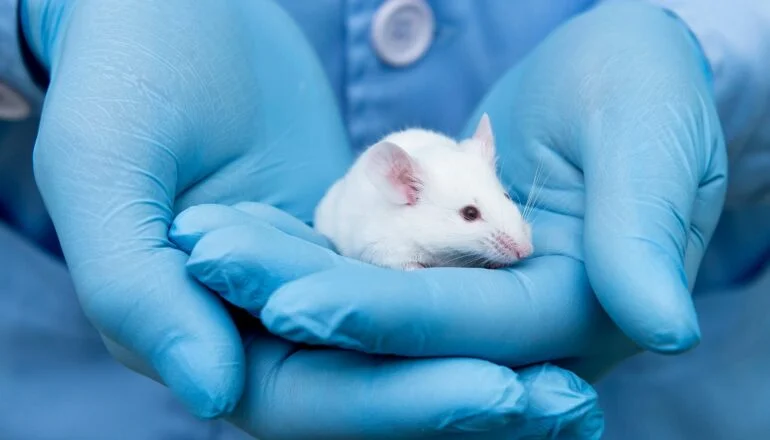
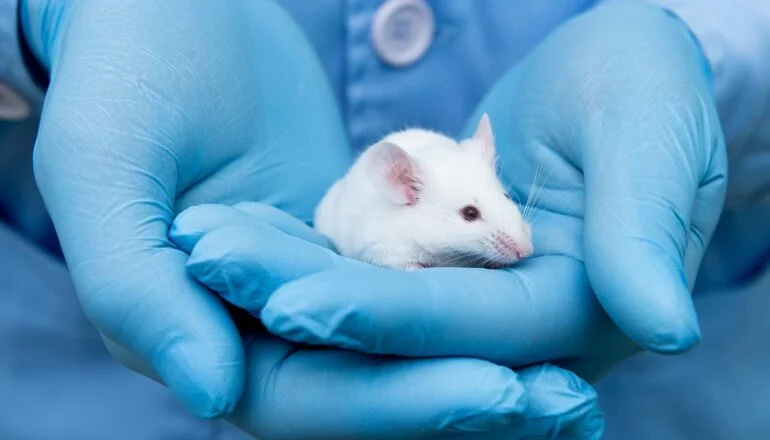
A study reveals that certain gut bacteria protect mice from severe bacterial pneumonia following influenza infections, highlighting their immune system role.
Understanding the Gut and Respiratory Connection
Recent findings published in Science Immunology bring to light the fascinating interplay between gut bacteria and respiratory infections. The research sheds new light on how our intestinal microbiome might affect our bodies' vulnerability to secondary bacterial infections following viral illnesses, particularly after influenza, which remains a significant global health concern.
With approximately 1 billion cases of influenza documented each year worldwide, the symptoms can vary from mild to severe, leading to complications that often necessitate medical intervention. Among these complications, post-influenza pneumonia ranks high in severity, often causing further health deterioration in patients already compromised by viral infection. This study seeks to unravel how the gut, often viewed merely as a digestive organ, plays a pivotal role in battling respiratory pathogens when the body is already under duress.
The Role of Segmented Filamentous Bacteria
Researchers have turned their attention to a specific type of gut bacteria: segmented filamentous bacteria (SFB). Found variably across different species, SFB has garnered interest for its potentially protective effects against bacterial pathogens such as Streptococcus pneumoniae, Haemophilus influenzae, and Staphylococcus aureus after an influenza A virus infection. The complexity of the gut microbiome and its interactions with host immune responses pose a considerable challenge for researchers. However, this focus on SFB may open up new avenues for understanding how our gut flora can influence respiratory health.
Underpinning this research is the notion that beneficial gut bacteria can have systemic effects, transcending their immediate environment. What’s compelling here is that SFB doesn't just sit passively in the intestines; it actively communicates with the body's immune system, influencing how the immune responses are calibrated during periods of illness.
Immunology Insights: A Protective Mechanism
The study highlights that SFB can significantly reduce the risk of severe secondary infections, which are notorious for raising morbidity and mortality rates during influenza outbreaks. This relationship is not just theoretical; it is backed by empirical evidence showing SFB’s impact on alveolar macrophages, specialized immune cells crucial for lung defense mechanisms. After influenza infection, these macrophages often show impaired function. SFB appears to help reprogram these cells, enhancing their ability to respond to pathogens.
This mechanism suggests a significant shift in how we might approach treatments for respiratory infections. Instead of solely focusing on antiviral medications or vaccines, considering ways to manipulate gut microbiota composition could provide a dual-layer defense against respiratory pathogens.
But here's the thing: the balance of gut bacteria is delicate, and changes in diet, lifestyle, or medical treatments can disturb this equilibrium. Therefore, while the potential for using SFB in therapeutic strategies is promising, developing practical applications will require a comprehensive approach that considers individual microbiome variability.
Implications for Future Research and Treatment
The insights from this research could usher in a new paradigm for how we manage respiratory infections. Lead author Vu Ngo from Georgia State University remarked on the dramatic change in lung macrophage responses when SFB is introduced. This raises an important question: can we harness the power of these bacteria to enhance immunity not just during influenza outbreaks but as a part of broader health management strategies?
Senior author Andrew T. Gewirtz expressed optimism about translating these findings into actionable treatments. If this research indicates that SFB can modulate immune responses effectively, it could lead to a paradigm shift in treating not only influenza-related complications but other respiratory infections as well.
What's perhaps most interesting is that SFB’s effects on the immune system may not be limited to the respiratory tract alone. The interconnectedness of the body’s systems means alterations in gut health could have far-reaching implications beyond just immunity—potentially affecting overall health and well-being.
The Future Outlook: A Microbial Perspective on Health
Looking ahead, the implications of this study are significant. If ongoing research confirms that the gut microbiome plays a vital role in shaping immune responses, we may find ourselves on the brink of a revolution in how we prevent and treat infections. It may lead to the development of probiotic treatments specifically designed to enhance resilience during viral pandemics.
However, with any scientific advancement comes the need for careful consideration. You have to think about the safety, efficacy, and cost of such treatments. Not every individual will respond the same way to microbial therapies. Thus, personalized medicine may be the key to unlocking the benefits of these findings, tailoring treatment plans to individual microbiome profiles. If you’re working in this space, keep a close eye on research developments; they may provide insights that reshape therapeutic approaches in ways we have yet to imagine.
The promise demonstrated in this study could signal a shift in our understanding of health, suggesting that fostering a healthy gut might be just as important as receiving vaccinations or antiviral treatments. As researchers continue to explore this connection, the role of gut bacteria in our immune health becomes clearer, paving the way for future innovations in treating respiratory infections.



Discussion
Sign in to join the discussion.