UCLouvain installs the POLARIS quantum MRI system to enhance cancer research, focusing on metabolic changes in treatment resistance.
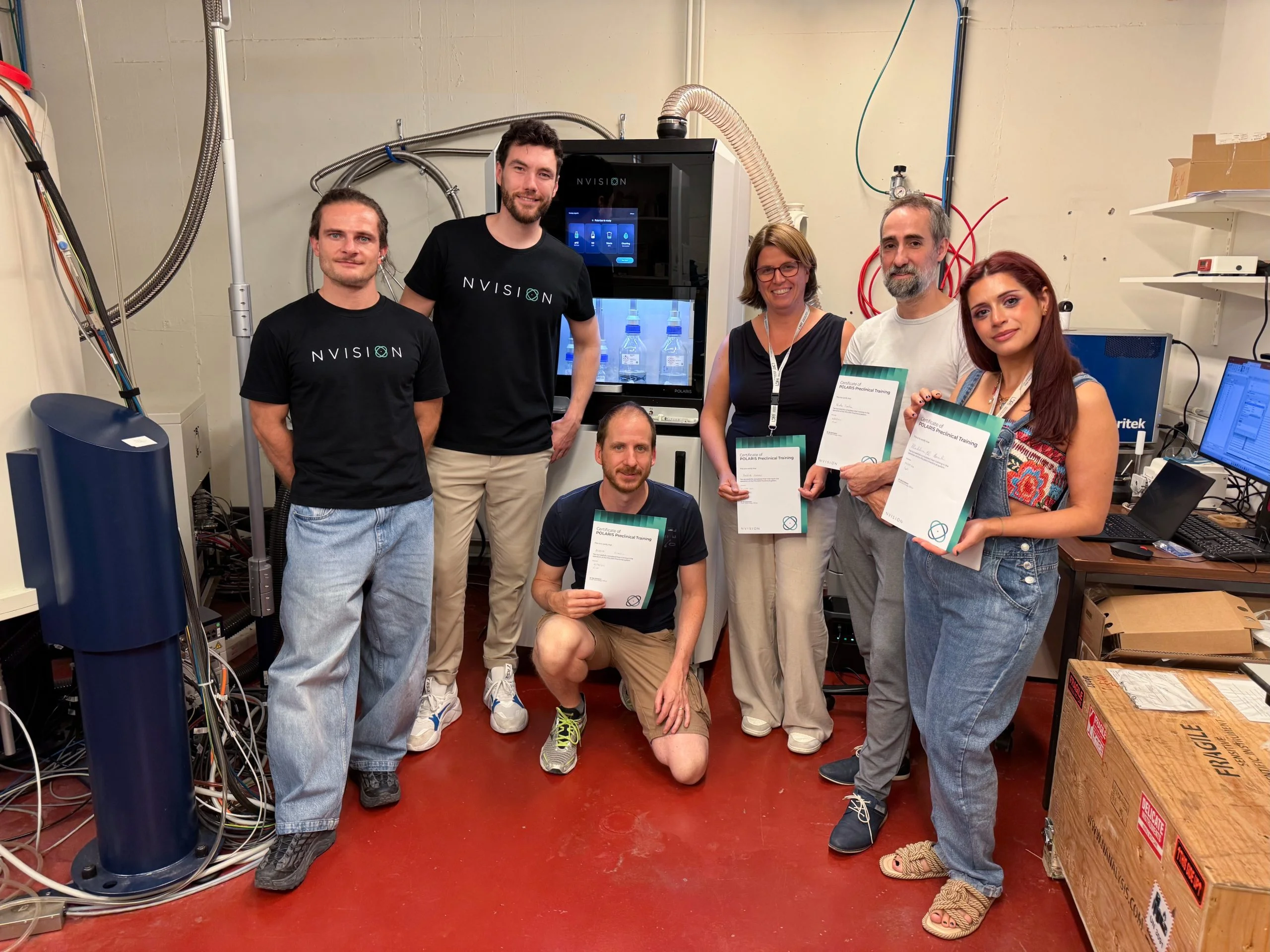
UCLouvain has taken a significant step in cancer research by deploying the POLARIS, a quantum-enhanced MRI platform from NVision Quantum Technologies GmbH. This advanced system aims to investigate how cancer cells respond to treatment, especially regarding metabolic adaptations linked to therapy resistance in melanoma, triple-negative breast cancer, and metastatic diseases. By utilizing cutting-edge quantum technology, researchers hope to unveil new insights into treatment dynamics that could directly impact patient care.
Collaboration and Vision
As Prof. Myriam Chaumeil, Head of Research at NVision, noted, “UCLouvain brings together the scientific expertise and infrastructure that can advance metabolic imaging into new areas of cancer research.” This statement underscores the importance of collaborative frameworks in advancing complex scientific inquiries like cancer treatment. The fusion of resources and expertise at UCLouvain not only amplifies the potential for breakthrough findings but also aligns with a critical push to integrate academic research with practical applications in healthcare.
The new installation is part of a broader strategy by NVision to deploy approximately 20 POLARIS systems across Europe, North America, and Asia by early next year. This ambitious plan highlights an increasing trend among research institutions and tech companies to rapidly scale innovations that promise substantial benefits to oncology and other medical disciplines. The global distribution of these systems may pave the way for expedited research collaboration, cross-border clinical trials, and a more synchronized approach to tackling various cancers.
Focusing on Cancer Metabolism
The continued support from the German Federal Ministry of Research, Technology and Space has extended funding for the QuE-MRT project to August 2028, with an allocation of nearly €20 million. This investment underscores the increasing recognition of quantum sensing technologies in biomedical applications and reinforces the deployment of systems like POLARIS. Early studies utilizing this platform will concentrate on metabolic variations that could serve as indicators of therapeutic efficacy, revealing potential weaknesses in tumor metabolism ripe for intervention. It reflects a shift away from traditional imaging methods towards a more nuanced understanding of how cancer cells adapt in response to therapies.
The integration of POLARIS with UCLouvain’s Nuclear and Electron Spin Technologies (NEST) imaging platform combines existing magnetic resonance capabilities with quantum-enhanced techniques. This hybrid approach is significant; it may overcome limitations found in conventional MRI practices. Prof. Bénédicte Jordan from UCLouvain emphasized the implications of this technology, stating, “The future of cancer monitoring may depend on our ability to capture the biology behind treatment response.” This capability aims to map tumor metabolism beyond standard metrics like glucose uptake and assess the tumor microenvironment long before conventional imaging techniques can detect these changes. The potential to identify shifts in tumor biology at an earlier stage could directly influence treatment planning and adjustments.
This strategy seeks to identify metabolic biomarkers that could provide earlier insights into treatment outcomes than currently used methods. What this means for you is, if you're working in this space, there may soon be tools at your disposal that can discern patient responses before they become clinically observable. Research teams are now employing POLARIS across various fields, including oncology, cardiology, neurology, and immunology, highlighting the technology's adaptability in tackling diverse medical challenges. Such versatility suggests that while the immediate focus is on cancer, the broader implications of POLARIS could extend across medical disciplines, enriching our understanding of various diseases.
Our goal with POLARIS is to make quantum-enhanced MRI accessible to leading research teams so they can focus on the biological questions that matter.
Enhancing Metabolic Imaging with Automation
A standout feature of POLARIS is its automation of parahydrogen-induced polarization (PHIP), a technique that substantially enhances the MRI signals of metabolic molecules by more than 10,000 times. It’s not just a gradual improvement; this transition to automated hyperpolarization techniques marks a significant leap over traditional manual methods previously utilized in metabolic imaging. The system can produce hyperpolarized metabolic imaging agents in about three minutes, enabling researchers to observe metabolic dynamics in real-time with conventional MRI hardware. This agility is essential for capturing rapid metabolic shifts often overlooked by slower imaging modalities. The instantaneous feedback afforded by this technology could be pivotal in refining treatment regimens.
NVision's expansion of POLARIS installations has recently included deployments at IBEC in Barcelona, the University of Antwerp through the Q-AID initiative, and Hokkaido University in Japan. This growth aligns with ongoing European research programs that aim to enhance quantum-driven metabolic imaging capabilities for both investigational and clinical uses. The increasing number of installations suggests a burgeoning recognition of quantum techniques as essential drivers in advancing biomedical research. And yet, as adoption spreads, challenges may arise in standardizing these innovations within existing clinical frameworks.
Implications for Future Research and Patient Outcomes
The shift towards quantum-enhanced technology in medical imaging carries significant implications for the future of cancer research. On one hand, accessing detailed metabolic information promises to improve predictive capabilities and treatment effectiveness. It presents a chance to identify which treatments may work best for individual patients based on their unique tumor metabolism. The precision of such data is likely to push oncology closer to personalized medicine, tailoring interventions that are more effective and targeted.
On the other hand, these advancements raise questions about accessibility and implementation in clinical practice. If advanced techniques like POLARIS are to gain traction, there needs to be a concerted effort to train medical personnel in utilizing these tools effectively. Integration into existing healthcare frameworks also poses potential logistic and economic challenges—not to mention the need for continued funding and support to maintain these advanced systems. (And this is the part most people overlook.)
The impact on patient outcomes could be profound if these hurdles are overcome. With earlier detection of treatment outcomes based on metabolic changes, healthcare providers might shift from reactive to proactive practices. The speed at which POLARIS can analyze and report findings could allow for more timely interventions, fundamentally altering the trajectory of cancer treatment.



Discussion
Sign in to join the discussion.