BEMT, the first sunscreen ingredient approved in 20 years, promises enhanced UV protection amidst rising melanoma rates.
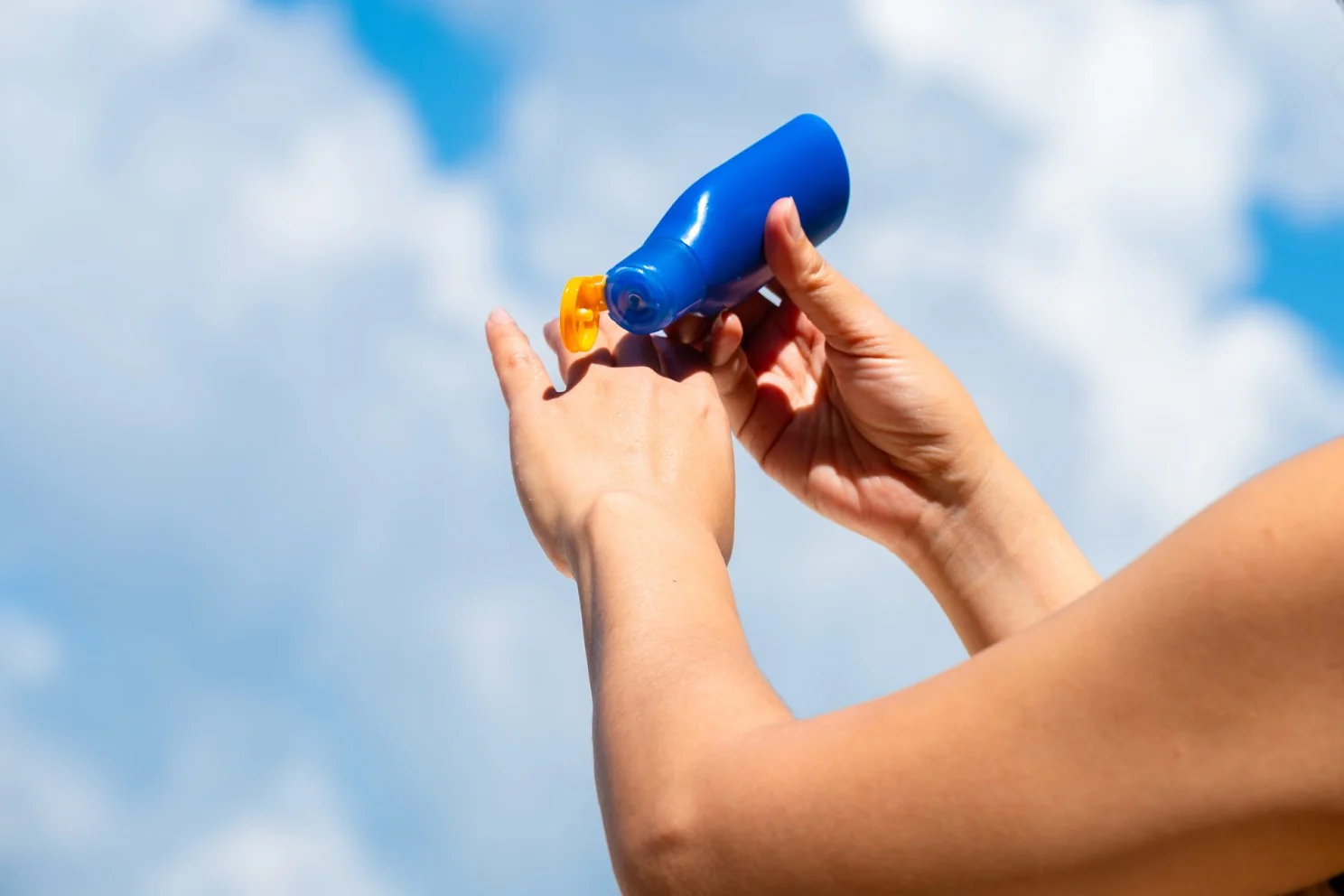
The recent FDA approval of bemotrizinol (BEMT) marks a significant milestone for sun protection in the U.S., being the first new sunscreen ingredient in two decades. This novel ingredient, welcomed by dermatology experts, offers broader and more durable protection against harmful UV rays, crucial amid increasing melanoma incidences.
Dr. Hillary Tsibris, assistant professor of dermatology at Harvard Medical School, shed light on BEMT's approval process, which has been notably sluggish due to the U.S. regulatory framework treating sunscreen filters as over-the-counter drugs. These classifications necessitate exhaustive pharmaceutical-style trials that have caused considerable delays in comparison to international standards.
Background on Sunscreen Regulation
The cumbersome approval mechanism for sunscreens has placed the U.S. significantly behind Europe and other regions where UV filters are classified differently and can be approved more swiftly. A critical turning point occurred when the SAFE Sunscreen Standards Act was enacted in November 2025, allowing the FDA to modernize its assessment and streamline the approval of sunscreen ingredients like BEMT. This act has transitioned the approval process from traditional clinical trials to incorporating real-world data, which could pave the way for a more vibrant array of sunscreen options in the American market.
BEMT: The Advantages and Unique Features
BEMT, also known as Tinosorb S in Europe, offers broad-spectrum protection against both UVA and UVB radiation. UVB rays are well-known for their role in causing sunburn and skin cancers, while UVA rays, though not causing sunburn, contribute to aging and skin cancer as well. The typical sunscreen filters available in the U.S. primarily protect users against UVB radiation, leaving a gap in protection against UVA.
One of the standout features of BEMT is its photostability; it maintains efficacy when exposed to sunlight, unlike avobenzone, the only other chemical UVA filter previously approved in the U.S., which diminishes in effectiveness under UV exposure. Moreover, BEMT lacks the characteristic white cast associated with physical sunscreens like zinc oxide and titanium dioxide, making it more aesthetically pleasing for users.
This chemical has also exhibited low absorption levels in preliminary studies. Concerns regarding the systemic absorption of chemical sunscreen ingredients have been prevalent, yet BEMT appears to remain on the skin’s surface with minimal penetration into the bloodstream.
Future Prospects of Sunscreen Ingredients
While BEMT is a pivotal addition, it’s not the only promising ingredient on the horizon. Other filters like bisoctrizole (Tinosorb M) and Mexoryl XL (drometrizole) are currently available in regions like Europe and Asia but have yet to gain FDA approval. As the new legislative changes foster a more accessible approval system, it’s likely that more advanced filters may soon follow BEMT’s lead.
The Path to Accessibility
Manufacturing of BEMT is set to start on August 9, 2026, with an exclusive period during which it will be marketed under the brand name Parsol Shield. However, the timing for widespread consumer availability will depend on how manufacturers plan their production and distribution following this exclusivity period.
Public Awareness and Usage Patterns
Despite the new ingredient's benefits, the challenge remains: are people effectively using sunscreen? Despite reports that about 79% of the U.S. population uses sunscreen, the consistency and proper application remain uncertain. Advocates emphasize that sun protection should not rely solely on sunscreen but include behavioral practices such as avoiding intense midday sun, wearing protective clothing, and seeking shade.
Recommendations for Different Age Groups
Public health recommendations advocate for a holistic approach to sun safety. For children over six months, using BEMT-based sunscreens alongside protective clothing is vital, while infants under six months should largely be shielded from sun exposure. Adults of all ages should likewise be vigilant about UV protection, especially those working outdoors who may require additional measures aside from sunscreen to safeguard against prolonged sun exposure.
Skin Cancer Trends and Public Health Messaging
Melanoma rates have surged in recent years, prompted by changing cultural attitudes towards sun exposure. While lifestyle choices from previous decades contribute to these statistics, better diagnostic capabilities might also account for the increase. Public health messaging today must emphasize balance: enjoy outdoor activities, but prioritize safety through proper sun protection strategies.
As we embrace this important new ingredient in our sunscreen arsenal, there's a collective hope this shift in regulatory practices will lead to even safer and more effective products that can mitigate the rising tide of skin cancer cases in the years to come.



Discussion
Sign in to join the discussion.