Research indicates that routine blood samples from newborns could identify genetic mutations linked to cancer risk, aiding prevention efforts.
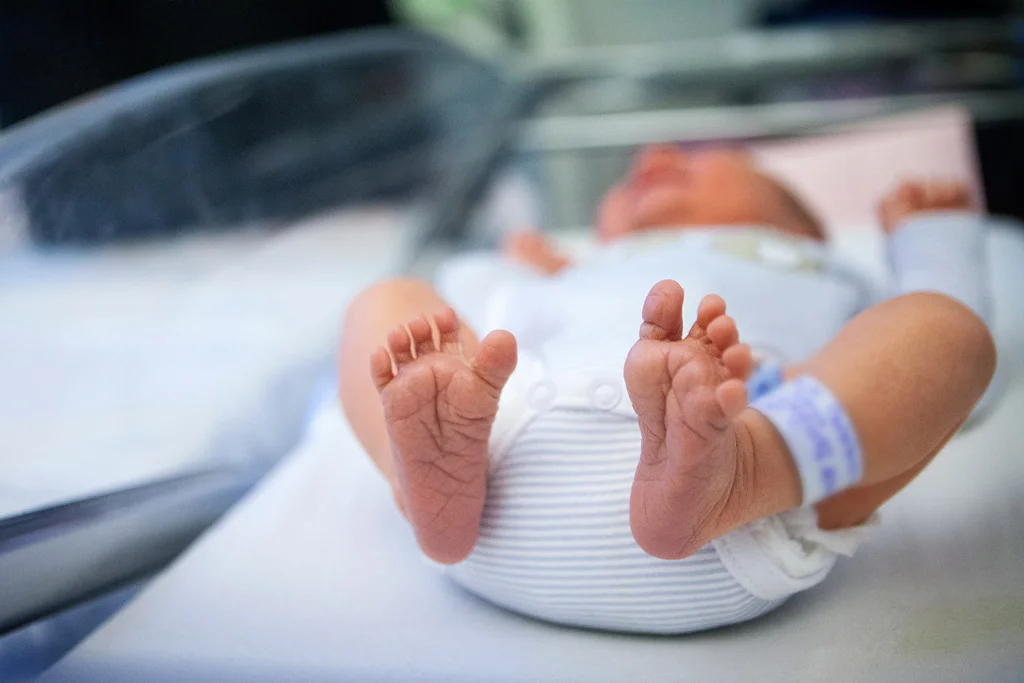
Recent research suggests that integrating genetic testing into routine newborn screenings could unveil increased cancer risks, enabling early intervention. A significant study conducted by the Dana-Farber/Boston Children’s Cancer and Blood Disorders Center alongside Mass General Brigham highlights the potential of using DNA from newborn heel-stick blood samples for this purpose.
Published in Nature Communications, the study underscores the feasibility of identifying hereditary cancer predisposition through genetic analysis. Currently, newborn screening in the U.S. primarily focuses on a small panel of treatable disorders, leaving potential cancer risk undetected.
Co-senior author Richard B. Parad, a professor at Harvard Medical School and director of the Neonatal Genomic Medicine Program at Brigham and Women’s Hospital, explains that genomic newborn screening can significantly enhance early cancer detection and subsequent monitoring protocols for at-risk children. “We can provide preventive care for children who would otherwise remain undiagnosed until symptoms appear,” Parad emphasizes.
Dr. Lisa Diller, a key contributor to the research and professor at Dana-Farber Cancer Institute, further elaborates on the necessity of early detection in families with known genetic predispositions. “For families affected by predisposition syndromes, identifying these risks at birth enables us to implement vigilant monitoring that could catch tumors before they progress, allowing for less aggressive treatment and improved survival rates,” Diller states.
The study closely examined preserved blood samples from 1,948 children born in Michigan who later developed solid or brain tumors by age 8. Using a gene panel targeting 11 hereditary factors associated with pediatric cancers, researchers identified pathogenic variants in 132 children, approximately 7% of the cohort. This positions their work as one of the most extensive investigations into the practicality of newborn genetic testing in a population setting aimed at cancer risk assessment.
It’s estimated that if such screening were implemented broadly, it could help identify around 1,000 children in the U.S. each year who could benefit from timely detection and intervention. Notably, the study found critical mutations among cancers with established hereditary links. For instance, all six children diagnosed with medullary thyroid carcinoma bore a specific RET mutation.
Moreover, 40% of the cohort diagnosed with retinoblastoma carried a mutation in the RB1 gene, which is essential for understanding the onset and management of this common childhood tumor. In various cancers studied, mutations connected to their respective tumors were present in 11% to 30% of cases, indicating a strong genetic correlation.
Children harboring these mutations tended to receive diagnoses at a significantly earlier age; the median was just 14 months for those with identified mutations versus 32 months for their counterparts without such genetic indicators. This stark difference not only highlights the aggressive nature of certain childhood cancers but also emphasizes the critical role that early warning systems could serve.
The implications for retinoblastoma patients are particularly striking. Out of 69 children with detectable RB1 mutations, 68 developed the disease, with those carrying the mutation diagnosed faster—at a median age of 9 months compared to 23 months for those without. Such early identification allows for proactive interventions like regular eye examinations, which could lead to the early detection of tumors, sparing children from more drastic treatments, including eye removal and aggressive chemotherapy.
Dr. Diller notes, “I’ve witnessed firsthand the advantages of early detection, which can mean the difference between a treatable condition and a challenging, life-threatening situation.”
The findings strongly advocate for the inclusion of specific genetic risk factors for pediatric cancer in expanded newborn screening efforts, primarily because they enable closer monitoring that can lead to timely diagnosis and less harmful treatment strategies. The research team at Mass General Brigham is actively pursuing methods to integrate these genomic tests into public health newborn screening frameworks, ensuring that at-risk infants can transition into appropriate surveillance protocols.
Support for this pivotal research came from a “Traditional Bridge Grant” through a collaboration between the Koch Institute for Integrative Cancer Research and the Dana-Farber/Harvard Cancer Center, further highlighting the enduring need for innovative approaches in early cancer detection and treatment methodologies.



Discussion
Sign in to join the discussion.