Harvard's Yenching Library reveals a curated collection of K-pop merchandise, enriching the study of fandom in the "Korean Stars" course.
The Rising Popularity of K-Pop in the U.S.
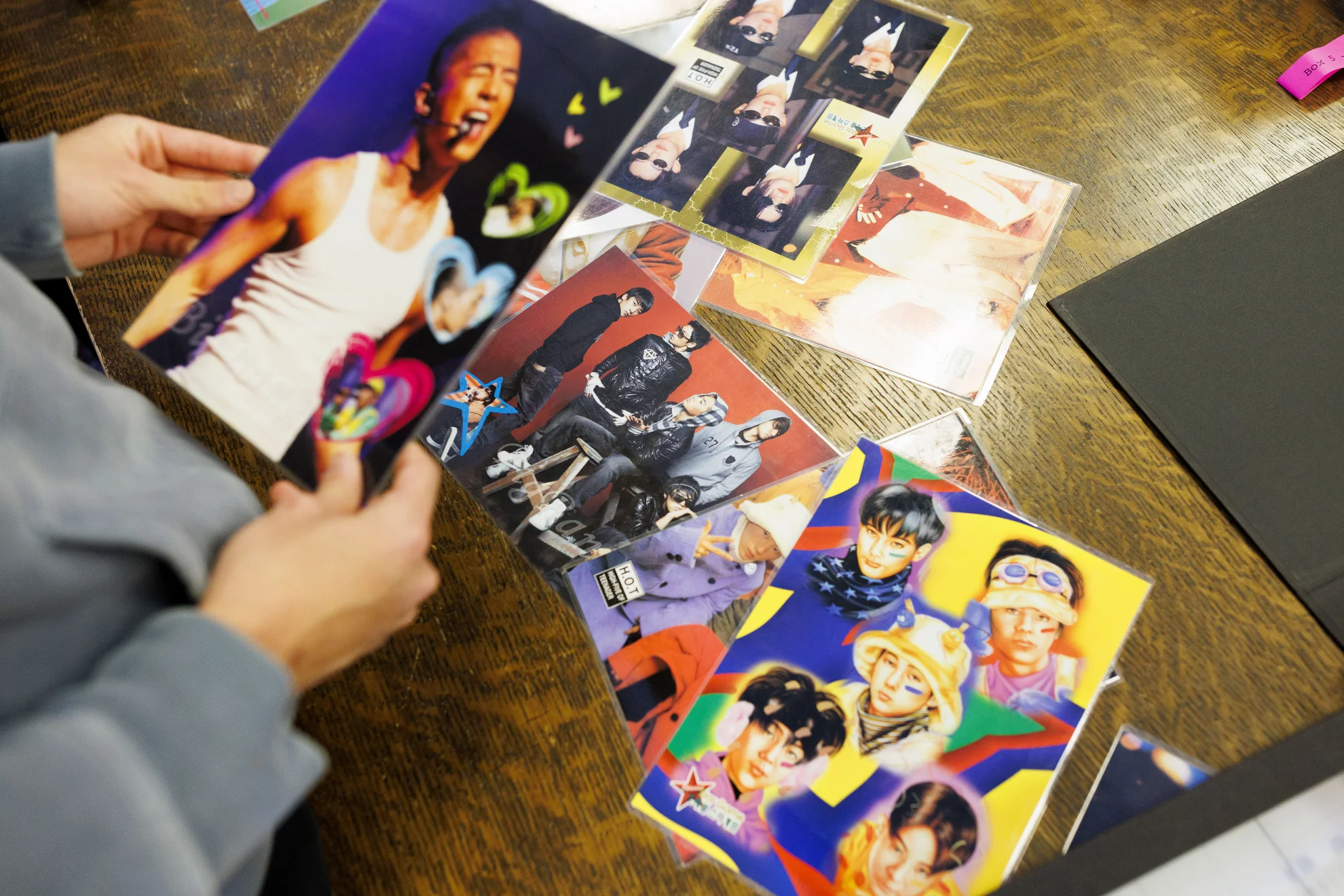
American audiences are increasingly exposed to K-pop, with tracks like “Golden,” from the Netflix hit “KPop Demon Hunters,” contributing to the genre's meteoric rise. The growth of K-pop in the U.S. isn't a recent development. While its presence surged after Psy’s “Gangnam Style” and the global success of groups like BTS and BLACKPINK, its roots stretch back further, establishing a deep, dedicated following that transcends cultural barriers. K-pop has evolved into a significant cultural export for South Korea, attracting millions of fans who embrace not just the music, but the entire ecosystem surrounding these artists, including merchandise, concerts, and cultural exchanges.
Documenting K-Pop's Evolution at Harvard
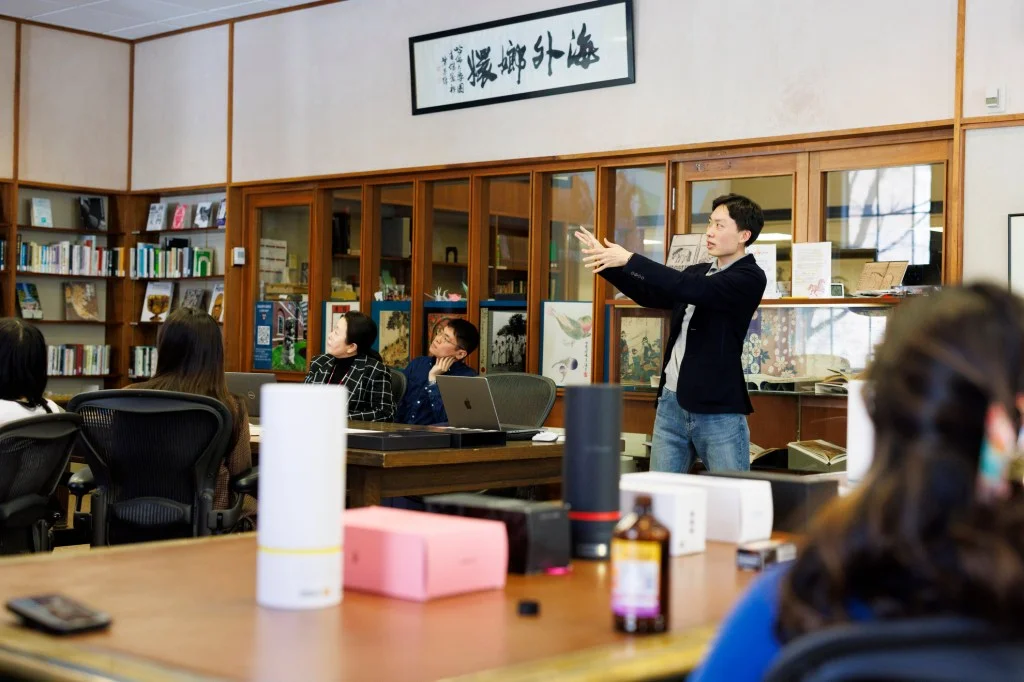
In a bid to chronicle this global phenomenon, Harvard's Yenching Library is assembling a collection that focuses on commercial merchandise associated with K-pop artists from the 1990s to the present. This initiative is inspired by the “Korean Stars” course, taught by Professor Chan Yong Bu, who utilizes these objects to unlock insights into fandom dynamics and consumer culture surrounding K-pop. By applying a scholarly lens to what some might consider mere trinkets, Bu is redefining how we understand the cultural implications of fandom in a changing world.
A Deeper Look into K-Pop Merchandise
“The idea came from Professor Bu,” explained Mikyung Kang, the librarian overseeing the Korean collection. “We identified iconic idol groups from the first generation to the present day and worked with a vendor to source available items.” Bu emphasizes the historical significance of K-pop merchandising, tracing its origins back to the silent film era's early idols and showcasing how these trends evolved into the phenomenon we witness today. This historical approach allows students to see how K-pop has shaped and been shaped by the broader cultural context.
From the late 20th century, K-pop began leaving an indelible mark on youth culture, with stars like Seo Taiji and H.O.T. ushering in a new era of musical expression. Professor Bu’s interest in star images reflects a larger academic curiosity about the interplay between commerce and culture. He asserts that it’s vital for students to appreciate not just the aesthetic of these items, but their role in shaping fandom and culture. As K-pop grew, it mirrored societal changes, from economic shifts to the evolving nature of youth identity.
The Significance of Fan Merchandise
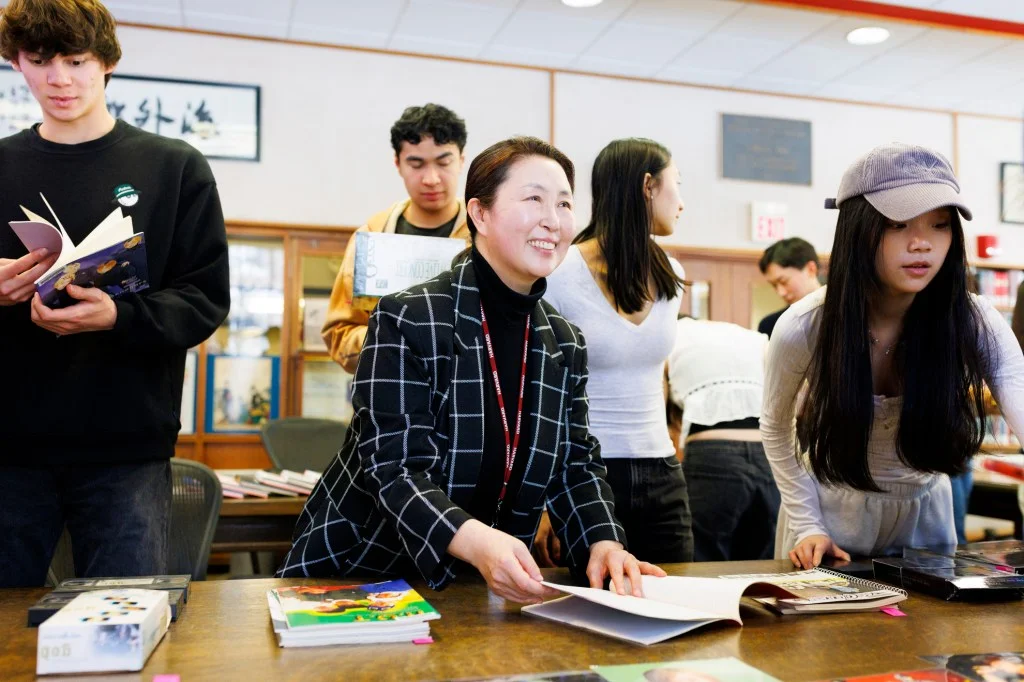
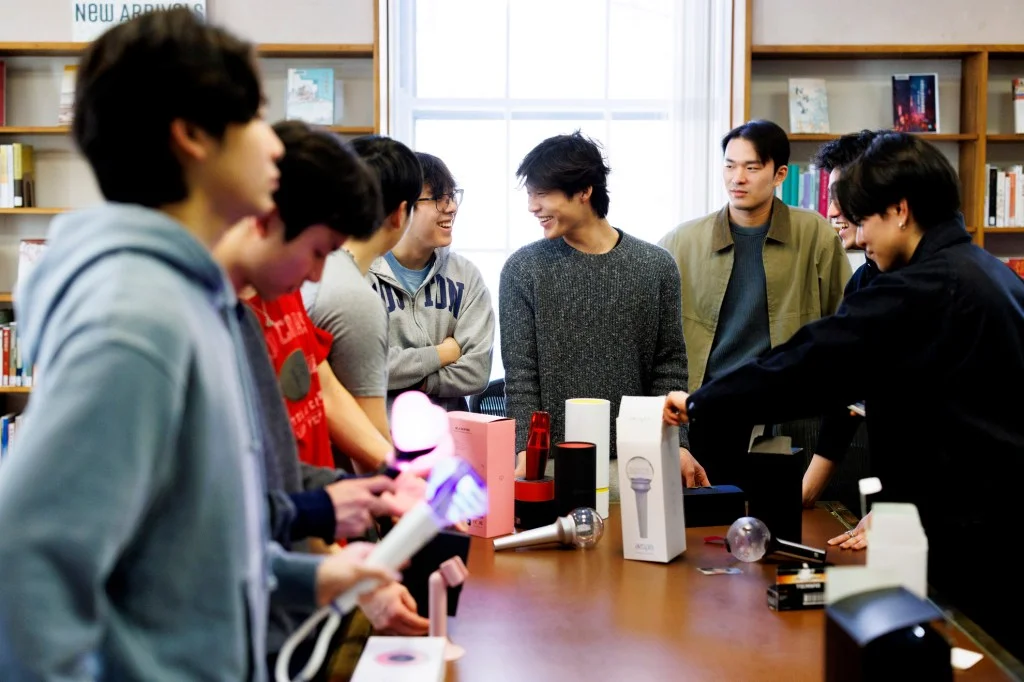
The current collection consists of 17 boxes, featuring materials from over 26 K-pop groups, including concert merchandise, recordings, posters, and various fan-focused items. Among these, light sticks stand out as they symbolize a notable evolution in fandom, offering an interactive way for fans to express their loyalty. These Bluetooth-enabled items represent more than just a tool; they are a medium of connection, bridging the gap between the performers and their audience.
“Fan merchandise is a significant medium that connects fans to their stars on both physiological and psychological levels,” said Bu, highlighting the sentimental aspect of these items. The materiality of fandom, from posters to light sticks, serves as a tangible link to the artists, creating an emotional resonance that deepens the bond between fans and their idols.
Initially, fans relied on colored balloons to indicate their affiliations. As technology advanced, so did these expressions, with today's light sticks changing colors to sync with artists' performances. This sync is a testament to how fandom has transformed into a participatory experience. “You become part of the visual spectacle, fully integrated into the performance itself,” Bu noted, pointing to the heightened engagement this enables. For many, participating actively in concerts enriches the overall experience.
The Educational Impact
Student reactions underscore the educational value this approach brings to the study of K-pop. Jenny Ng, an economics sophomore, remarked on the enriching experience the “Korean Stars” class provides, asserting that engaging with niche subjects takes center stage in effective liberal arts education. The intersection of pop culture and academic inquiry offers students a unique perspective on consumer behavior and cultural trends.
For those keen to see the collection firsthand, a portion is currently displayed in the Chinn Ho Reading Room at Yenching Library. This public display acts not only as a showcase of K-pop history but also as an invitation for broader discussions on cultural phenomena. Students' original fan merchandise will also be showcased later this semester, crafted through 3D printing, suggesting an evolution in how fans interact with their idols.
Access and Academic Significance
Yuzhou Bai, a special collections librarian at Yenching, mentioned that the full collection is accessible via Hollis, with in-person viewing by appointment only. “What appears to be a simple book or DVD often contains numerous smaller items, known in library terminology as ephemera, which complicates our ability to display them freely,” Bai explained. This complexity raises important questions about how best to preserve and present culturally significant materials.
Implications and Future Outlook
This unique undertaking doesn't merely enrich the understanding of K-pop fandom; it also enhances the academic conversation around popular culture and consumer behavior. As K-pop's influence expands beyond music into areas like fashion and social activism, academic interest in these phenomena is likely to grow. If you're working in this space, considering K-pop as a case study could illuminate broader trends in global pop culture.
The collection at Harvard is a reminder that fandom is not just a personal experience but a social one, ripe for analysis. As K-pop continues to capture hearts globally, understanding the cultural artifacts it produces will be vital for future scholars and fans alike. What this means for you is a chance to dive deeper into a cultural wave that's far more than it appears on the surface.



Discussion
Sign in to join the discussion.